
Gorilla Trekking Frequently Asked Questions
Gorilla Trekking Frequently Asked Questions: Every year, thousands of travellers ask the same questions before booking their gorilla trek. Some are nervous. Some are excited. Most are both. At Gorilla Safaris Africa, we have walked these forest trails with guests from over the world and we have heard every question imaginable from the practical to the deeply personal.
This guide gives you honest, complete answers to everything you need to know about Gorilla Trekking Frequently Asked Questions before you set foot in the rain forest. No fluff. No sales talk. Just the real information that helps you prepare, book smart, and have the experience of a lifetime.
The Basics: What Is Gorilla Trekking?
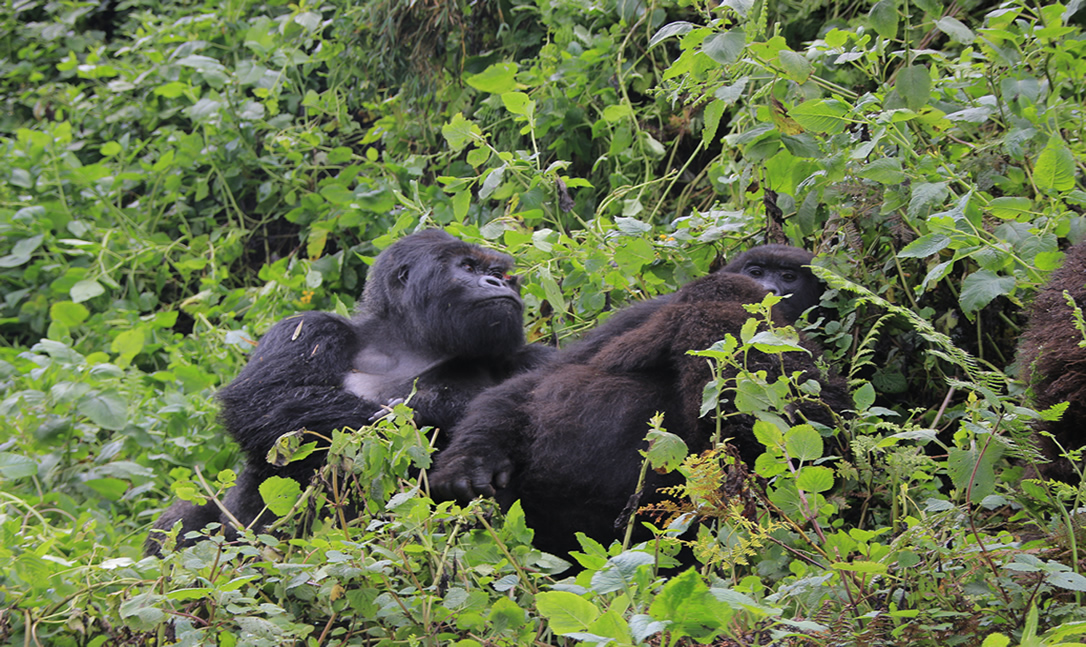
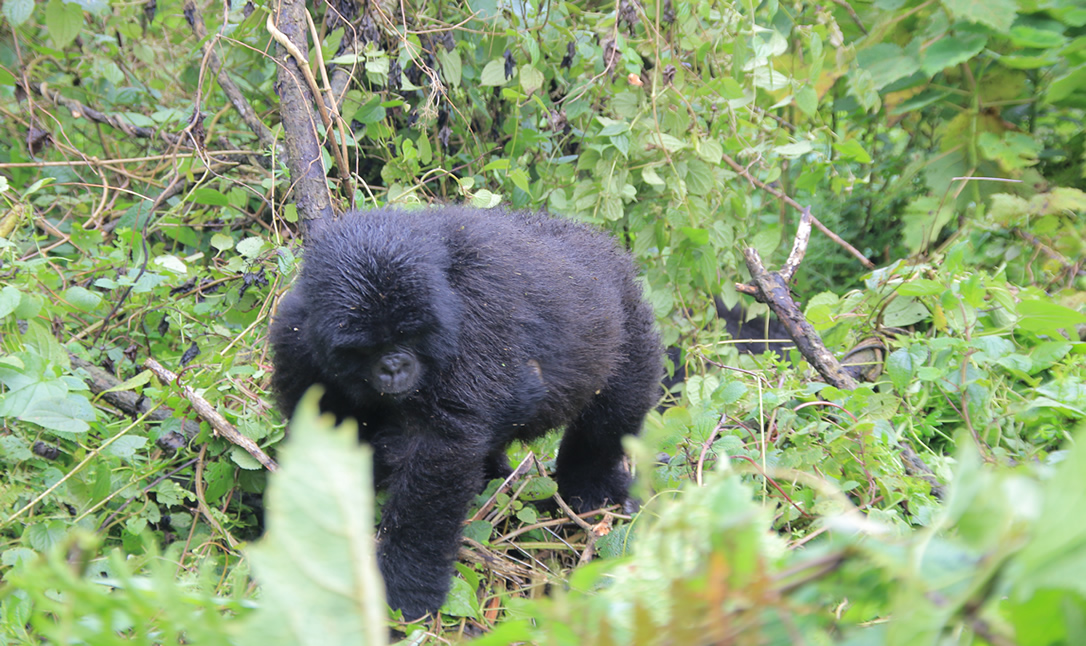
This is the most gorilla trekking frequently asked questions: Gorilla trekking is a guided wildlife encounter in which small groups of visitors hike through protected mountain forest to spend one hour with a habituated wild mountain gorilla family. The gorillas are wild they live freely and have simply grown accustomed to the presence of researchers and park rangers over years of careful habituation work. You are visiting them in their home.
It is not a zoo. It is not a safari drive. It is one of the most intimate wildlife encounters on earth.
Where Can You Go Gorilla Trekking?
Mountain gorillas exist in only two places on the planet: the Virunga Massif (shared between Rwanda, Uganda, and the Democratic Republic of Congo) and Bwindi Impenetrable Forest in Uganda.
Uganda is home to roughly half the world’s remaining mountain gorilla population and offers trekking in Bwindi Impenetrable National Park across four sectors Buhoma, Ruhija, Nkuringo, and Rushaga as well as Mgahinga Gorilla National Park.
Rwanda offers gorilla trekking in Volcanoes National Park, in the Virunga Mountains. Rwanda is the more polished, premium-priced destination, with shorter trek distances and excellent lodge infrastructure nearby.
Democratic Republic of Congo offers trekking in Virunga National Park, though travel advisories and safety conditions should be checked carefully before planning travel there.
For most first-time travellers, Uganda and Rwanda are the clear choices and the good news is that combining both in a single safari is entirely possible.
How Much Does a Gorilla Trekking Permit Cost?
This is always the first question.
- Uganda: USD 800 per person per trek (as of 2026)
- Rwanda: USD 1,500 per person per trek
- DRC: USD 400 per person per trek
The permit covers your one-hour visit with a gorilla family. It does not include park entry fees, accommodation, transport, or guide tips.
Rwanda’s higher price is deliberate it is part of a conservation premium strategy, and the revenue goes directly toward gorilla protection and community development. Uganda offers extraordinary value at a lower price point, especially for travellers spending more time in the region.
Important: Permits must be booked in advance through the Uganda Wildlife Authority, the Rwanda Development Board, or through a licensed tour operator like Gorilla Safaris Africa. Peak season permits sell out months ahead of time.
How Physically Fit Do You Need to Be?
This is the question most people are afraid to ask out loud.
Honest answer: Gorilla trekking ranges from a 45-minute uphill walk to a six-hour expedition through thick, steep, muddy rain forest. You cannot know in advance exactly how long your trek will take it depends entirely on where the gorillas are that day. Rangers track the family every morning, so the actual distance varies.
Most treks take between two- and five-hours round trip. The terrain is uneven, the vegetation is dense, and the altitude at Bwindi reaches over 2,500 metres above sea level.
You do not need to be an athlete even guests in their sixties and seventies complete gorilla treks regularly through the help of a sedan chair. However, you should be capable of walking uphill for extended periods, comfortable with uneven ground, and prepared for humidity and the unexpected.
Tips for less physically confident travellers:
- Hire a porter at the trail head they carry your bag, steady you on steep sections, and are genuinely invaluable. Pay them well.
- Request an easier sector. Buhoma in Uganda and the lower trails in Rwanda are generally less strenuous.
- Speak honestly with your tour operator during booking. A good operator will match you to the right gorilla group.
What Should You Wear and Pack?
Some travellers keep on asking about this question in the gorilla trekking frequently asked questions. This question matters more than most people realise.
Wear:
- Long-sleeved shirt and long trousers (protects from nettles, insects, and scratches)
- Waterproof hiking boots with ankle support — mud is guaranteed
- Gardening or thick gloves for pushing through vegetation
- A light rain jacket
- Gaiters if you have them
Pack:
- At least two litres of water
- Energy snacks
- A small first aid kit
- Insect repellent (DEET-based)
- Sunscreen
- Your camera but no flash photography is permitted near the gorillas
- A small dry bag or waterproof cover for electronics
Leave behind:
- Flash equipment
- Selfie sticks
- Strong perfumes or colognes (gorillas are sensitive to human scent)
- Plastic bags (banned in Rwanda entirely; leave them at the border)
What Are the Rules During the Gorilla Encounter?
The rules exist to protect both the gorillas and you. They are enforced strictly and non-negotiable.
- Maximum group size is eight people per gorilla family per day.
- One hour maximum with the gorillas. No exceptions.
Don’t be close with the gorillas, keep at least a seven metres distance away from them
No flash photography.
- Do not eat or drink in the presence of the gorillas.
- Avoid sudden movements and talk on a low voice tone.
- If a gorilla charges or bluffs a charge, do not run. Crouch down, avert your eyes, and let your guide manage the situation. Running triggers pursuit.
- Anyone showing signs of illness like cough, fever, or cold will not be permitted to trek. Gorillas share approximately 98% of human DNA and are highly susceptible to our respiratory diseases.
Is Gorilla Trekking Safe?
Yes but with context.
The gorillas themselves are habituated to human presence and are not aggressive toward trekking groups when the rules are followed. Your ranger guides carry weapons not to control the gorillas but to deter poachers and manage the extremely rare encounter with other wildlife such as buffalo.
The more practical risks are the trek itself slips, falls on steep terrain, and physical exhaustion. This is why choosing an experienced operator with trained guides matters significantly.
The countries themselves: Uganda and Rwanda both have stable, well-governed national park systems with strong safety records for tourists. Rwanda in particular is consistently ranked among the safest countries in Africa for visitors.
When Is the Best Time to Go Gorilla Trekking?
Gorilla trekking frequently asked questions :Gorilla trekking is completely an all year around activity however there is the best and recommend time which is the dry season.
Dry seasons (June–September and December–February) this is the most suitable time for gorilla trekking since the trails are less slippery, firmer, low rainfalls thus offering easier trekking conditions.Always endeavor to book earlier since its busiest periods and most preferred times.
Wet seasons (March–May and October–November) bring heavier rain and muddier trails, but also fewer tourists, lush green scenery, and a more atmospheric forest experience. Many experienced travellers prefer the wet season specifically because it feels wilder and less crowded.
Gorillas are present and trekked year-round. The weather affects your comfort on the trail, not the likelihood of finding the gorillas rangers locate the family every single morning before your group departs.
Can Children Go Gorilla Trekking?
The minimum age for gorilla trekking is 15 years in both Uganda and Rwanda. This rule exists for conservation and safety reasons younger children are more likely to make unpredictable movements, carry contagious illness, and struggle with the physical demands of the trek.
Families with younger children can still visit Uganda and Rwanda and experience incredible wildlife. Chimpanzee trekking (minimum age 12 in most parks) and game drives are excellent alternatives.
How Do I Book a Gorilla Trekking Permit?
Gorilla trekking permits can be booked through a licensed tour operator who manage all the necessities from the permit, accommodation, transport, and logistics as a complete safari package.
This is strongly recommended permit systems have specific booking windows, bank transfer requirements, and confirmation processes that can be confusing to navigate independently, especially from abroad.
At Gorilla Safaris Africa, we handle permit procurement as part of every gorilla safari package, giving you confirmation well in advance and managing any changes that arise.
What Happens If the Gorillas Cannot Be Found?
This almost never happens with habituated gorilla families. Rangers track the family every morning and have deep knowledge of their territory and movement patterns. In over a decade of operating gorilla safaris, our guides have had guests reach the gorillas on over 99% of all treks.
In the extremely rare event that the gorillas cannot be located or the trek must be abandoned for safety reasons, both Uganda Wildlife Authority and Rwanda Development Board have policies for permit rescheduling or partial refunds. Your operator will handle this process.
What Makes Gorilla Trekking Different from Any Other Safari?
This is one of the most gorilla trekking frequently asked questions that we love most.On a game drive, you are in a vehicle, watching animals from a distance. The animals may or may not look back. There is glass between you and the wild.
In a gorilla encounter, there is nothing between you and a 200-kilogram silverback except air and the mutual agreement, however wordless, that neither of you intends any harm. When a mountain gorillamakes eye contact with you and they will you will understand something about kinship and evolution and the fragility of wild places that no photograph can transmit.
Guests regularly describe it as the most profound experience of their lives. Not just the best safari. The most profound experience.
Should You Hire a Porter on Your Gorilla Trek?
Yes and we say this without hesitation.Porters are local community members, often former poachers or subsistence farmers, who have been given meaningful employment through tourism. Hiring one costs roughly USD 10–20 for the day and directly supports families living around the park boundaries.
Practically speaking, a porter carries your bag, steadies you on steep or slippery sections, and pushes back vegetation so you can move through without scratching your arms or losing your footing. On a tough trek, they make a real physical difference. On an easier one, you are simply paying a fair wage to someone whose livelihood depends on the forest remaining intact.
Hire a porter. It is one of the best USD 15 decisions you will make on the entire trip.
How Long Is a Typical Gorilla Trek?
There is no fixed answer and that is part of what makes it an adventure.Treks can last anywhere from 30 minutes to 8 hours depending on where the gorilla family has moved since the previous day. The average is 2 to 4 hours of walking. You spend exactly one hour with the gorillas once found, regardless of how long it took to reach them.
Rangers locate the family each morning before your group sets off, so you always know the general direction. You just never know the distance until you are back at the trailhead.
Uganda or Rwanda : Which Is Better for Gorilla Trekking?
Both are excellent. The right choice depends on your priorities.Choose Uganda if you want more trekking time in the forest, lower permit costs, a rawer wilderness experience, and the option to combine gorillas with chimpanzees, savannah game drives, and other wildlife in a longer itinerary.
Choose Rwanda : if you prefer a shorter, more accessible trek, premium lodge options close to the park, a smoother travel infrastructure, and the option to combine gorillas with a Rwanda city break or visit to the Kigali Genocide Memorial.
Many travellers who have the time do both. The gorilla families are different. The landscapes are different. The two experiences complement rather than repeat each other.
Can You Trek Gorillas More Than Once?
Yes. You can purchase a permit for each day you wish to trek, subject to availability. Many travellers who have the budget choose to trek on two consecutive days sometimes visiting a different gorilla family each time because the experience is never exactly the same twice. Different families have different personalities, and a second trek often feels deeper and less overwhelming than the first.There is no official limit on the number of treks a single visitor can do. Permits and availability are the only constraints.
What Vaccinations Do You Need for a Gorilla Safari?
Consult your doctor or a travel health clinic at least six weeks before departure. since there are some travel vaccines that are needed for gorilla trekking: Generally recommended for Uganda and Rwanda:
– Yellow Fever (required for entry into Uganda; strongly recommended for Rwanda)
– Hepatitis A and B
– Typhoid
– Meningitis
– Rabies (if spending time outdoors in remote areas)
– Malaria prophylaxis both Uganda and Rwanda have malaria risk
Gorillas are susceptible to human illness, particularly respiratory infections. If you have a cold, cough, or fever on trek day, you will be asked to step aside. This is non-negotiable and applies regardless of permit cost.
What Camera Should You Bring?
Any camera works phone cameras now produce excellent results in forest light. A few practical notes:
No flash is permitted within the gorilla zone. Make sure yours is switched off before you arrive.
A lens with optical zoom (70–200mm equivalent) lets you fill the frame without moving closer than the 7-metre rule allows. Forest light is low and dappled. A camera that handles low-light well will serve you better than one with a long zoom but a small sensor.
Bring a dry bag or waterproof cover rain is always possible and electronics do not appreciate humidity.The best camera is the one you are comfortable using quickly and quietly. You will have one hour. Make it count.
Is Gorilla Trekking Worth the Cost?
This is the most personal question on the list, and we will answer it honestly.
If you measure value purely by time-per-dollar, one hour for USD 800 or USD 1,500 sounds steep. But almost nobody who has done it measures it that way afterwards.
The permit cost funds the rangers who protect these animals around the clock. It funds the community programs that make local people partners in conservation rather than adversaries. Without it, the gorilla population would not be recovering it would be collapsing.
And the experience itself? Guests who have been on safari in ten African countries frequently say the gorilla encounter is unlike anything else they have done. That is not marketing. It is a pattern we have observed across hundreds of trips over many years.
Worth it? For the right traveler, unreservedly yes.
What Should You Do After the Gorilla Trek?
The hour ends, the rangers signal the walk back, and most guests are quiet for a long time. That is normal. Give yourself the afternoon to sit with it.
Practically, consider:
A post-trek cultural village visit near Bwindi meet the Batwa pygmies, the forest’s original inhabitants, whose history is inseparable from these mountains.
A nature walk the following day the forest has more to offer than gorillas alone.
Combine with chimpanzee trekking in Kibale Forest (Uganda) for a primate double that very few safari itineraries in the world can match.
Rest. You have just walked through a primeval rain forest and looked a wild gorilla in the eyes. Sit on the lodge veranda. Order something warm. Let it settle.
Our Unique Commitment
At Gorilla Safaris Africa, we offer professional guides who will offer you give you vast information about the gorilla trekking experience. We introduced this because it helps guests know what they are about to experience arrive calmer, more prepared, and ultimately more present for the hour that counts.
It is a small thing that makes an enormous difference and it is one reason our guests return to recommend us by name.
Final Word: Book Early, Pack Right, Arrive Ready
Mountain gorillas are one of the most endangered great apes on earth. Fewer than 1,100 individuals remain in the wild. Every gorilla trek contributes directly to their protection permit revenue funds anti-poaching patrols, ranger salaries, and community programs that give local people a reason to protect the forest rather than clear it.
When you go gorilla trekking, you are not just buying an experience. You are participating in one of conservation’s genuine success stories. Mountain gorilla numbers have actually grown over the past two decades a rare, hard-won victory for wildlife.
Book your permits early. Choose an operator who knows this forest. Arrive with good boots, an open mind, and a willingness to be changed by what you see.
We will take care of everything else.
Company
Gorilla Safaris Africa is one of the leading experts to trust while you are seeking for unforgettable and gorillas safaris with in Africa.
Features
Most Recent Posts
- All Post
- Combined Safaris
- East Africa
- Gorillas
- Luxury Safaris
- Primates Safaris
- Wildlife