
Bwindi Impenetrable Forest
Bwindi Impenetrable forest :Deep in the mist-draped highlands of southwestern Uganda, where ancient forest canopies have stood undisturbed for more than 25,000 years, lies one of the most remarkable places on Earth.
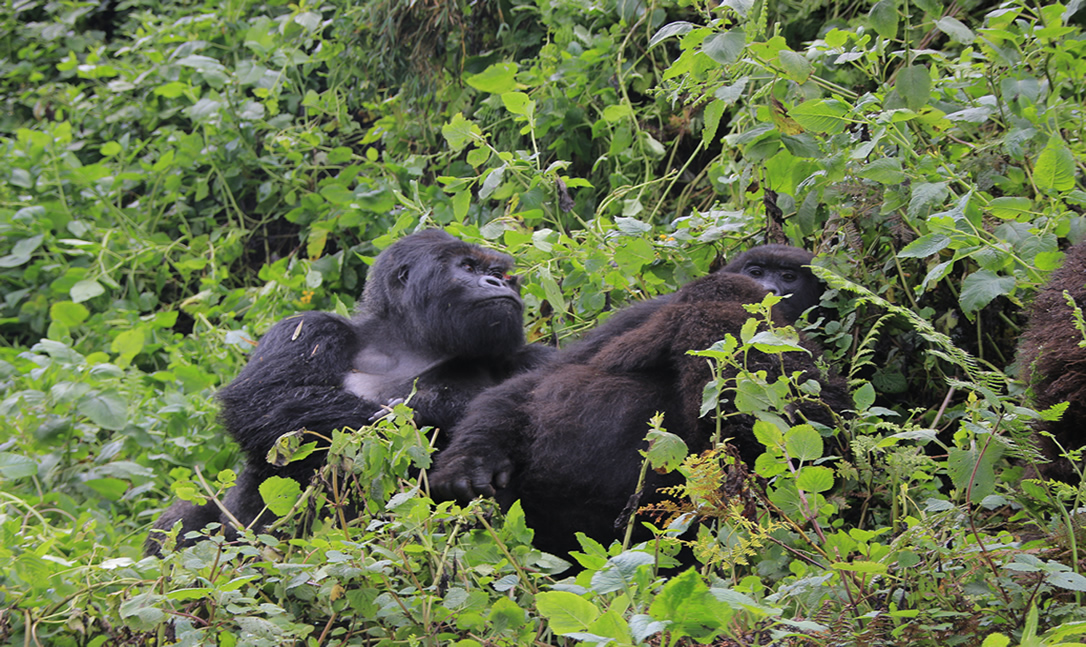
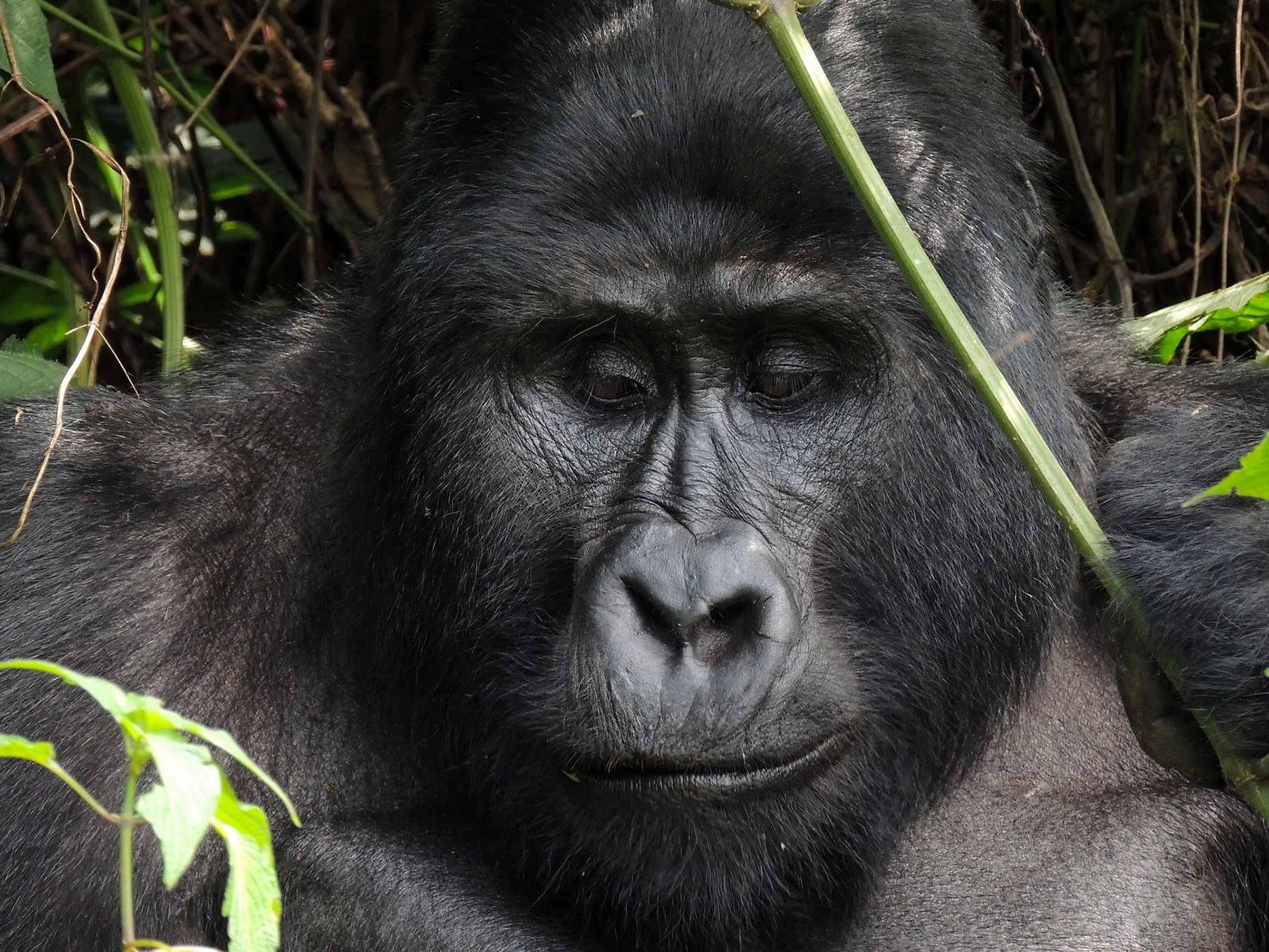
Bwindi Impenetrable National Park is not simply a wildlife destination — it is a living testament to the enduring force of nature. Covering 331 square kilometres of montane and lowland forest along the edge of the Albertine Rift Valley, it harbours more than half of the world’s remaining mountain gorillas. In 1994, UNESCO designated Bwindi a World Heritage Site, recognising its exceptional biodiversity and irreplaceable ecological value.
Whether you arrive in search of gorillas, forest birds, cultural encounters, or simply the profound stillness of an ancient jungle, Bwindi impenetrable forest rewards every traveler with an experience that stays long after the journey ends.
Activities in Bwindi Impenetrable forest.
Bwindi offers far more than a single gorilla sighting. The park rewards unhurried exploration with a layered programme of experiences spanning wildlife, culture, and wilderness adventure.
Gorilla Trekking
This is the centrepiece of any visit in Bwindi Impenetrable forest . After a morning briefing at the ranger station, small groups of up to eight visitors trek through dense forest sometimes for 30 minutes, sometimes for several hours before spending a precious hour in the presence of a habituated gorilla family.
The encounter is raw, emotional, and utterly unforgettable. Permits cost USD 800 per person and must be booked well in advance through the Uganda Wildlife Authority.
Gorilla Habituation Experience
Available only in the Rushaga sector, the habituation experience offers a four-hour window with gorilla families still being accustomed to human presence. Limited to four visitors per day, this is the most intimate gorilla encounter in Africa. Permits cost USD 1,500 per person and give unparalleled insight into gorilla behaviour and the careful science behind habituation.
Birding
Bwindi is a global birding destination of the highest order, recording more than 350 species within its boundaries including 23 Albertine Rift endemics. Sought-after species include the African Green Broadbill, Shelley’s Crimsonwing, the Handsome Francolin, and the Short-tailed Warbler. The Buhoma and Ruhija sectors are considered the finest birding zones, and experienced Uganda Wildlife Authority bird guides lead specialist walks at all hours.
Nature Walks & Forest Hikes
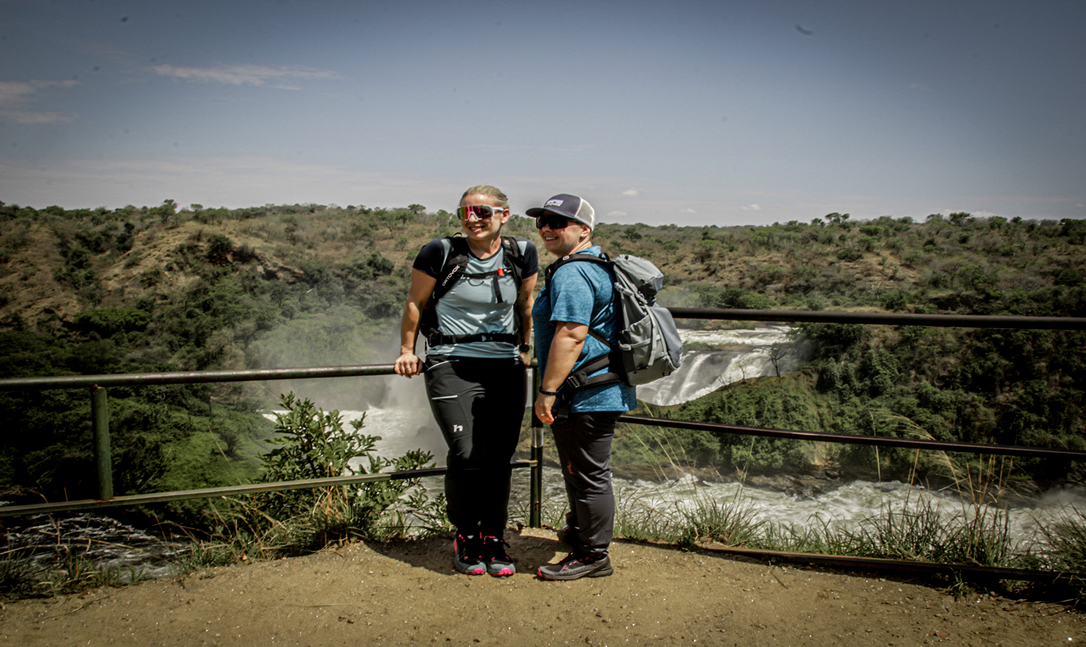
Guided forest walks offer a chance to learn the ecology of the jungle at ground level tracking chimpanzees, colobus monkeys, and forest elephants, identifying medicinal plants, and understanding the intricate relationships between species.
Popular trails include the Munyaga River Trail and the Waterfall Trail near Buhoma. Half-day and full-day options are available from all four sectors.
Batwa Cultural Experience
The Batwa known as the “Keepers of the Forest” were the original custodians of Bwindi’s forest for millennia before the park’s establishment. Today, guided Batwa Trail experiences offer a deeply moving window into their traditions, forest knowledge, and ancestral way of life. Dancers perform around ancient hearths, hunters demonstrate traditional bow techniques, and elders share knowledge of medicinal plants accumulated over generations.
Community & Village Walks
The communities surrounding Bwindi Buhoma, Rushaga, Nkuringo, and Ruhija have developed vibrant community tourism programmes. Visitors can tour local banana beer breweries, visit women’s craft cooperatives, explore terraced tea and coffee plantations, and attend traditional music and dance performances. These excursions directly channel income to the families who coexist alongside the park.
Photography & Wildlife Watching
Beyond gorillas, Bwindi impenetrable forest supports forest elephants, chimpanzees, olive baboons, black-and-white colobus monkeys, blue monkeys, L’Hoest’s monkeys, and over 200 species of butterfly. Forest-edge lodges often overlook natural clearings frequented by wildlife at dawn and dusk, making them superb photography platforms. Many visitors dedicate full days simply to quiet observation from strategic vantage points.
Park Zones
The Four Sectors of Bwindi
Bwindi is managed across four distinct geographic sectors, each with its own gorilla families, ecological character, and visitor infrastructure. Understanding the differences between them helps travelers choose the experience that best matches their interests and logistics.
Buhoma Sector
Northern Gateway
The oldest and best-established sector, Buhoma sits at the northern entrance to the park and is the most visited. It hosts four habituated gorilla families: Mubare (the first ever habituated family in Uganda), Habinyanja, Rushegura, and Katwe. The sector also offers the longest history of community tourism and boasts the broadest range of accommodation, from budget bandas to luxury lodges. Birding trails and the Munyaga River Walk originate here. Buhoma is accessible via Kabale or Kampala and is the most straightforward entry point for most international visitors.
Ruhija Sector (Eastern Highland)
Ruhija occupies the highest elevations within the park, sitting at altitudes between 2,200 and 2,600 metres above sea level. It is the coolest and most botanically rich sector a paradise for serious birdwatchers. Albertine Rift endemics are encountered here in greater concentrations than anywhere else in Uganda. Three gorilla families are habituated in Ruhija: Bitukura, Oruzogo, and Kyaguriro (reserved for gorilla research visits). The sector offers a markedly different forest character from the lowland zones more montane, more misty, and more dramatic in topography.
Rushaga Sector (Southern Hub)
Rushaga is the most gorilla-rich sector, accommodating the greatest number of habituated gorilla groups in the park. Families include Nshongi, Mishaya, Kahungye, Busingye, and Bweza, in addition to two families available for the Gorilla Habituation Experience Bikingi and Bushaho.
This diversity makes Rushaga ideal for travelers who wish to maximise their chances of a gorilla encounter, or who are returning visitors seeking for gorilla habituation experience Accommodation ranges from mid-range options near the park boundary to more exclusive lodges with sweeping valley views.
Nkuringo Sector (Southwestern Ridge)
The most remote and dramatically situated of all four sectors, Nkuringo perches on a high ridge above the Virunga Volcanoes, offering views across into the Democratic Republic of Congo. Two gorilla families Nkuringo and Christmas are habituated here. The Nkuringo trekking terrain is considered the most challenging in the park, with steep gradients through dense vegetation, but the rewards are proportionate. The sector’s isolation gives it an atmosphere of wild solitude that the more developed zones cannot fully replicate. It is also the closest sector to Lake Mutanda and the Virunga mountains.
Best Time to Visit Bwindi
Bwindi can be visited throughout the year, and gorillas are present in all seasons. However, the experience differs significantly depending on when you travel. Two primary dry seasons offer the most comfortable trekking conditions, while the rainy seasons bring their own rewards fewer visitors, lush forest, and competitive permit availability.
Dry Seasons (June – September & December – February)
The two dry seasons represent the peak travel windows for Bwindi. From June through September and again from mid-December through February, rainfall is minimal, trails are firmer underfoot, and the forest canopy thins just enough to improve visibility. Gorilla trekking during these periods tends to be physically easier, and the chances of clear skies for photography are higher. These months align with European and North American school holidays, meaning permits sell out months sometimes over a year in advance. Booking early is absolutely essential.
Rainy Seasons (March – May & October – November)
The long rains from March through May and the shorter rains in October and November do not prevent wildlife encounters but do make trails slippery, muddy, and significantly more demanding. Gorilla trekking in the wet season has its own quiet rewards: the forest is intensely green, birding activity peaks as species become more vocal, and visitor numbers drop sharply. This window suits travellers comfortable with physical challenge and those who value the relative solitude of an uncrowded park. Permit prices remain the same year-round, and availability is generally much better.
The mountain gorilla is a year-round resident of Bwindi. No season closes the forest, and no month denies the encounter. The question is not whether you will find them but how the forest will look when you do.
Access & Logistics
How to Get to Bwindi National Park
Bwindi is located in the Kanungu District of southwestern Uganda, approximately 530 kilometres from Kampala. The park is not served by commercial scheduled flights, and the final approach is always overland through some of Uganda’s most magnificent highland scenery.
By Charter Flight (Fastest Option)
Aero link Uganda and other charter operators offer scheduled and private flights from Entebbe International Airport or Kajjansi Airfield to Kihihi Airstrip (serving Buhoma) and Kisoro Airstrip (serving Nkuringo and Rushaga). Flight time is approximately one hour, and charter costs range from USD 350–550 per person one way. This option eliminates the long road journey and is strongly recommended for travellers with limited time or those combining Bwindi with Queen Elizabeth or other western parks.
By Road from Kampala
The overland drive from Kampala to Buhoma (northern sector) takes 8–10 hours via Mbarara and Kabale on largely paved roads. The route passes through Masaka, Mbarara, and Kabale before descending into the forested valleys near Bwindi. A 4WD vehicle is strongly recommended for the final approach roads, which can become challenging in wet conditions. Many safari operators offer comfortable road transfers in customised Land Cruisers with pop-up roofs for viewing en route.
Via Kabale Town
Kabale, the largest town in southwestern Uganda, serves as the principal gateway for travellers heading to the Rushaga and Nkuringo sectors. From Kabale, the road to Rushaga is approximately 1.5–2 hours by 4WD through spectacular terraced highland farmland. Kisoro town, roughly one hour further west, is the preferred staging point for Nkuringo visits and also offers direct access to Lake Mutanda and the Virunga volcanoes in the Congo.
Combined Safari Circuits
Most visitors to Bwindi impenetrable forest include the park as part of a broader Uganda circuit. The most popular combination links Bwindi with Queen Elizabeth National Park (for tree-climbing lions, hippos, and boat safaris on the Kazinga Channel), followed by a drive through the dramatic Ishasha sector. Kibale Forest National Park home to the finest chimpanzee trekking in Africa is another natural pairing, lying approximately three hours north of Queen Elizabeth.
Where to Stay
Accommodation in & Around Bwindi
Bwindi’s accommodation ranges from extraordinarily luxurious forest lodges with butler service and private terraces overlooking the jungle to simple community bandas that put budget travellers within metres of the park gates. Each sector has its own cluster of properties, and staying close to your allocated trekking sector is strongly advisable to avoid early-morning travel.
Buhoma Sector
Bwindi Lodge :Eight private forest cottages perched on the forest edge with panoramic views over the canopy. Managed by the Heritage Collection, this is Buhoma’s most prestigious address. Features include a heated plunge pool, open fireplaces, and a restaurant serving locally sourced cuisine.
Buhoma Sector
Mahogany Springs Lodge:Set directly on the Munyaga River at the park entrance, Mahogany Springs offers eight luxury suites with glass-fronted forest views, a riverside spa, and exceptional dining. Widely regarded as one of Uganda’s finest boutique lodges.
Buhoma Sector
Gorilla Forest Camp :An &Beyond property featuring eight tented suites inside the park boundary. The camp’s position within the park means gorillas and other wildlife occasionally pass through campgrounds. One of the few properties permitted to operate inside Bwindi itself.
Nkuringo Sector
Clouds Mountain Gorilla Lodge:Perched on a ridgeline at over 2,200 metres with views across into the DRC, Clouds is widely considered the finest lodge in Bwindi. Eight stone cottages with private terraces, open log fires, and a heated infinity pool overlooking the volcanoes. Walking distance from the Nkuringo ranger station.
Luxury
Rushaga Sector
Gorilla’s Nest Lodge:A collection of stone-and-timber cottages near the Rushaga park gate. Gorilla’s Nest is favoured by travellers seeking mid-to-upper luxury with a relaxed ambience, good food, and easy access to the largest concentration of gorilla groups in the park.
Ruhija Sector
Ruhija Gorilla Safari Lodge:A comfortable mid-range lodge at high altitude near the Ruhija ranger station. Particularly popular with birding groups due to its proximity to the park’s finest montane birding trails. Spacious cottages, warm meals, and a cosy common room are available.
Mid-Range
Buhoma Sector
Buhoma Community Bandas :Simple, clean self-contained bandas managed by the Buhoma Community Trust. Rooms are modest but comfortable, with shared common areas and a canteen. This is the most popular budget option in Bwindi and places revenue directly into local community hands.
Rushaga Sector
Rushaga Gorilla Camp :A well-run budget camp within a short drive of the Rushaga park gate. Simple tented accommodation and bandas, a dining area serving wholesome meals, and a friendly team. Well suited to independent travellers and overland groups.
Budget
What to Bring
The Bwindi Packing List :Packing correctly for Bwindi is a practical matter the forest is dense, wet, steep, and can be unpredictably cold at altitude. Comfort and preparedness will significantly shape the quality of your experience.
Clothing
- Long-sleeved shirts (khaki, olive, brown — no bright colors)
- Lightweight, quick-dry trekking trousers
- Waterproof rain jacket or poncho
- Fleece or warm mid-layer (essential at Ruhija/Nkuringo)
- Sturdy waterproof hiking boots with ankle support
- Wool or synthetic hiking socks (multiple pairs)
- Gaiters for wet-season trekking
- Wide-brimmed sun hat
- Light gloves for cold mornings
- Swimwear (for lodge pools)
- Evening wear smart-casual for lodge dinners
Equipment & Gear
- Day pack (20–30L, waterproof or with rain cover)
- Trekking poles (highly recommended)
- Head torch with spare batteries
- Reusable water bottles or hydration bladder
- Camera with extra batteries and memory cards
- Waterproof camera bag or dry bags
- Binoculars (8×42 or 10×42 recommended)
- Power bank / portable charger
- Universal travel adapter
- Lightweight dry towel
- Trekking gloves (for gripping vegetation)
Health & Essentials
- Antimalarial medication (consult your doctor)
- Yellow fever vaccination certificate (required for entry)
- DEET-based insect repellent (50% concentration)
- High-SPF sunscreen
- Personal first aid kit
- Oral re-hydration sachets
- Hand sanitiser and biodegradable wet wipes
- Any prescription medications (supply for full trip)
- Travel health insurance documents
- Gorilla permit and passport (required at briefing)
- USD cash (for tips, community crafts, and extras)
- Energy snacks for the trek (nuts, dried fruit, bars)
Porter Hire Note: At all four ranger stations, Uganda Wildlife Authority porters are available for hire at affordable rates (approximately USD 15–20 per trek). Hiring a porter is strongly encouraged it directly supports local livelihoods, and they are invaluable on steep, muddy terrain. Tipping porters and guides generously at the end of a trek is both customary and deeply appreciated.
Essential Tips & Practical Information
Gorilla Permits
Permits cost USD 800 per person for standard gorilla trekking and USD 1,500 for the Gorilla Habituation Experience. Permits are easily obtained must be booked through or a licensed tour operator. Demand significantly outstrips supply during peak season book at minimum six months ahead, and ideally 12 months for June–September travel.
Health Requirements
A yellow fever vaccination certificate is mandatory for entry into Uganda. Malaria prophylaxis is strongly recommended. Visitors with active colds, respiratory infections, or flu symptoms will not be permitted to trek, as human diseases can be transmitted to gorillas. Anyone feeling unwell on trek day should inform their guide immediately.
Gorilla Etiquette
Maintain a minimum distance of seven metres from the gorillas at all times. Flash photography is strictly prohibited. Keep voices low and movements slow. Do not eat or drink in the gorillas’ presence, and avoid direct eye contact with silverbacks. These rules exist to protect the animals’ welfare and the safety of both gorillas and visitors.
Physical Fitness
Gorilla trekking is a physically demanding activity. Treks can last anywhere from 30 minutes to eight hours depending on where the gorilla family has moved. Elevation ranges from 1,160 to over 2,600 metres. Visitors with limited mobility can arrange for sedan chair carries at some sectors discuss requirements when booking.
Currency & Payments
The Ugandan Shilling (UGX) is the local currency, though USD is widely accepted for major park fees, permits, and lodge bills. ATMs are available in Kampala, Mbarara, and Kabale but are unreliable in smaller towns. Carry sufficient USD cash for tips, community purchases, and any additional activities not pre-paid.
Connectivity
Mobile network coverage is available in most lodge areas but is often limited or absent inside the forest. MTN Uganda and Airtel Uganda offer the widest coverage. Wi-Fi is provided at most lodges, though speeds are typically modest. Download offline maps (Maps.me or Google Maps offline) before arrival, and set realistic expectations around communication.
Conservation Responsibility
Bwindi’s gorillas are critically endangered every visitor plays a role in their survival. Purchase permits through licensed operators only, respect all UWA guidelines in the field, buy community crafts directly from artisans, and leave no trace in the forest. Responsible tourism is not optional in Bwindi — it is the very mechanism that sustains the gorillas’ protection.
Altitude & Temperature
Temperatures in Bwindi impenetrable forest range from around 7°C at night in the highlands (Ruhija and Nkuringo) to 20°C during the day in lower zones. Even in the dry season, temperatures drop sharply after sunset. Always pack a warm layer regardless of season, and be prepared for sudden mountain showers at any time of year.
Company
Gorilla Safaris Africa is one of the leading experts to trust while you are seeking for unforgettable and gorillas safaris with in Africa.
Features
Most Recent Posts
- All Post
- Combined Safaris
- East Africa
- Gorillas
- Luxury Safaris
- Primates Safaris
- Wildlife