
Gorilla Trekking in Uganda.
The Ultimate Guide to Africa’s Most Extraordinary Wildlife Experience
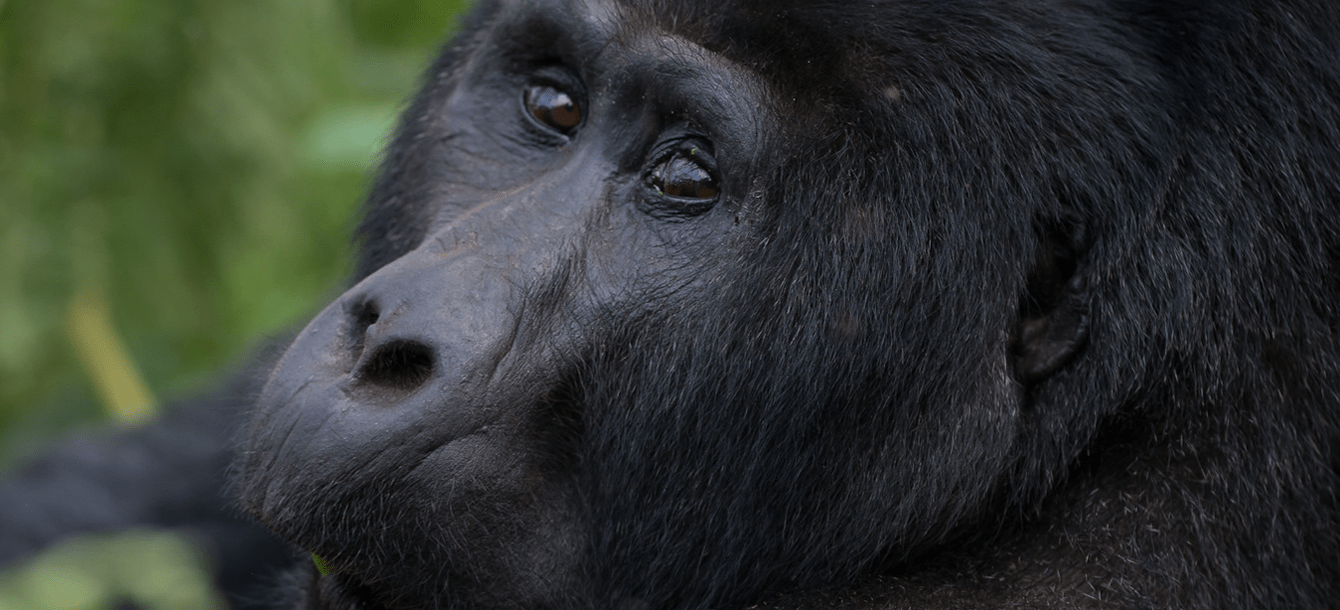
There are moments in travel that fundamentally change you. Standing in dense equatorial jungle, just metres from a 200-kilogram silver back gorilla as he locks eyes with you unhurried, unbothered, magnificent is one of them. Uganda is home to roughly half of the world’s remaining mountain gorillas, and trekking to encounter them in their natural habitat is widely regarded as one of the most profound wildlife experiences on earth. This guide covers everything you need to know before you go. Bwindi Impenetrable National Park the primary gorilla trekking destination has four main sectors: Buhoma, Ruhija, Rushaga, and Nkuringo. Mgahinga Gorilla National Park sits further south near the Rwandan and DRC borders
The Experience Itself
The day begins before dawn. You’ll gather at a park briefing point either in Bwindi Impenetrable National Park or Mgahinga Gorilla National Park alongside other trekkers. Rangers assign each group of 8 to one of the habituated gorilla families. And deliver a briefing on gorilla trekking etiquette such as keeping your voice low, No eating or drinking in front of the gorillas, and maintaining a minimum distance of seven metres. After this then you set off into the forest.
The trek itself is as much a part of the experience as the gorillas. You push through layers of fern, bamboo, and ancient hardwood, the air thick with moisture and birdsong. The terrain is genuinely challenging steep, slippery, and unrelenting in places. Some treks last as little as two hours; others push deep into the jungle for up to eight. It all depends on where the gorillas have moved to overnight, and there is no way to predict it in advance. That uncertainty is part of what makes it so electric.
When you find them, time seems to stop. You have exactly one hour with the group — a strict rule enforced by Uganda Wildlife Authority to protect the gorillas from prolonged human contact. Within that hour, you might watch juveniles wrestle in the undergrowth, observe a mother nursing her infant, or sit in stunned silence as the silverback moves through the vegetation less than an arm’s length away. Guides and rangers narrate the behaviour quietly, giving context to every interaction you witness.
The permit costs $800 USD per person a figure that surprises many first-time visitors but one that directly funds gorilla conservation, anti-poaching operations, and community development programmes in surrounding villages. It is, without question, worth every dollar.
Best Time to Go
Uganda’s gorillas can be tracked year-round, but timing your visit smartly can make a significant difference to your comfort on the trail.
The dry seasons — June to August and December to February — are widely considered the best periods for trekking. Trails are firmer underfoot, vegetation is less overgrown, and photography is considerably easier with more light penetrating the canopy. June through August is the peak season and also coincides with the European summer, so permits can sell out many months in advance. If you are planning a dry-season trek, book your permit at least six months ahead.
The wet seasons — March to May and October to November— bring daily rainfall that turns the trails into muddy scrambles and makes the forest even more dense and dramatic.
However, there are genuine upsides: the forest is extraordinarily lush and green, permit availability is much higher, and lodge prices often drop significantly. Experienced trekkers who don’t mind getting muddy sometimes prefer these months for the raw, atmospheric quality of the jungle and the quieter trails.
The sweet spot many seasoned visitors recommend is late June or early September, when the dry season is well established but the peak crowds of July and August have either not yet arrived or are beginning to thin.
Where to Stay
Accommodation options span from extraordinary ultra-luxury lodges to comfortable budget guesthouses.
Luxury
Bwindi Lodge in Buhoma sector sits on a ridge overlooking the forest canopy and offers eight elegantly appointed cottages with private verandas, gourmet meals, and guided forest walks. It’s intimate, beautifully designed, and the kind of place where you feel genuinely cosseted after a gruelling day on the trail.
Sanctuary Gorilla Forest Camp is positioned directly on the edge of Bwindi, with just eight tents separated by flowing water streams. The exclusivity is unmatched — this feels like the forest has been curated just for you.
Clouds Mountain Gorilla Lodgein the Nkuringo sector is arguably the most dramatic property in the region, perched at 2,200 metres with sweeping views of the Virunga volcanoes on clear mornings. Eight cottages, a fireplace lounge, and a culinary team that produces exceptional meals from locally sourced ingredients.
Mid-Range
Gorilla Safari Lodge near Buhoma is a reliable, well-managed lodge with comfortable tented rooms, warm staff, and solid food. The communal areas have genuine character, and the property strikes a good balance between comfort and authenticity.
Mahogany Springs in Buhoma offers stylish rooms with en-suite bathrooms, a pool, and a pleasant restaurant. It punches above its price point and is a favourite among travellers who want comfort without the ultra-luxury price tag.
Ruhija Gorilla Resort in the Ruhija sector caters well to mid-range travellers, with cosy bandas (traditional cottages), reliable hot water, and generous meals. It’s particularly well-located for the Ruhija gorilla families and the area’s exceptional birdwatching.
Budget
Buhoma Community Rest Camp is a community-owned guesthouse offering simple bandas, shared bathrooms, and honest home-cooked meals. It’s one of the most authentic and community-connected places to stay in the area — your money goes directly to local families.
Broadbill Forest Camp near Ruhija is a well-regarded budget option popular with birders and backpackers, with basic but clean accommodation and a friendly atmosphere.
Nkuringo Gorilla Camp offers affordable camping and simple bandas for those on tighter budgets, with views that rival properties costing ten times the price.
What to Pack
The right gear transforms a gorilla trek from an ordeal into a joy.
Clothing Pack long-sleeved shirts and long trousers in neutral, earthy colours greens, browns, khaki.
FootwearThis is the most important item on the list. Invest in proper ankle-supporting, waterproof hiking boots do not trail runners, not sandals.
Gardening GlovesThis sounds unusual but is unanimously recommended by rangers. When you are scrambling through dense undergrowth, grabbing roots and branches to haul yourself uphill, thick gardening gloves protect your hands from thorns, insects, and stinging plants.
GaitersWorn over your boots and lower trousers, gaiters keep mud, leeches, and forest debris out.
Daypack Essentials
Carry a small, comfortable daypack bay with: at least two litres of water, a basic first aid kit with blister plasters, insect repellent (DEET-based for effectiveness), sunscreen, and a small towel.
CameraYou will want to photograph this. Bring a camera with a good low-light performance, as the forest floor can be surprisingly dim.
No flash photography is permitted.
Gorilla trekking in Uganda is not a passive safari where you watch wildlife from a vehicle. It demands physical effort, patience, and a willingness to be genuinely uncomfortable muddy, sweaty, breathless, maybe a little lost in the undergrowth. In return, it offers something almost no other experience in the world can: a face-to-face encounter with one of our closest living relatives, in wild, ancient forest, that leaves you permanently rearranged.
Company
Gorilla Safaris Africa is one of the leading experts to trust while you are seeking for unforgettable and gorillas safaris with in Africa.
Features
Most Recent Posts
- All Post
- Combined Safaris
- East Africa
- Gorillas
- Luxury Safaris
- Primates Safaris
- Wildlife