
Why Uganda Is the Best Place in the World to See the Shoebill Stork
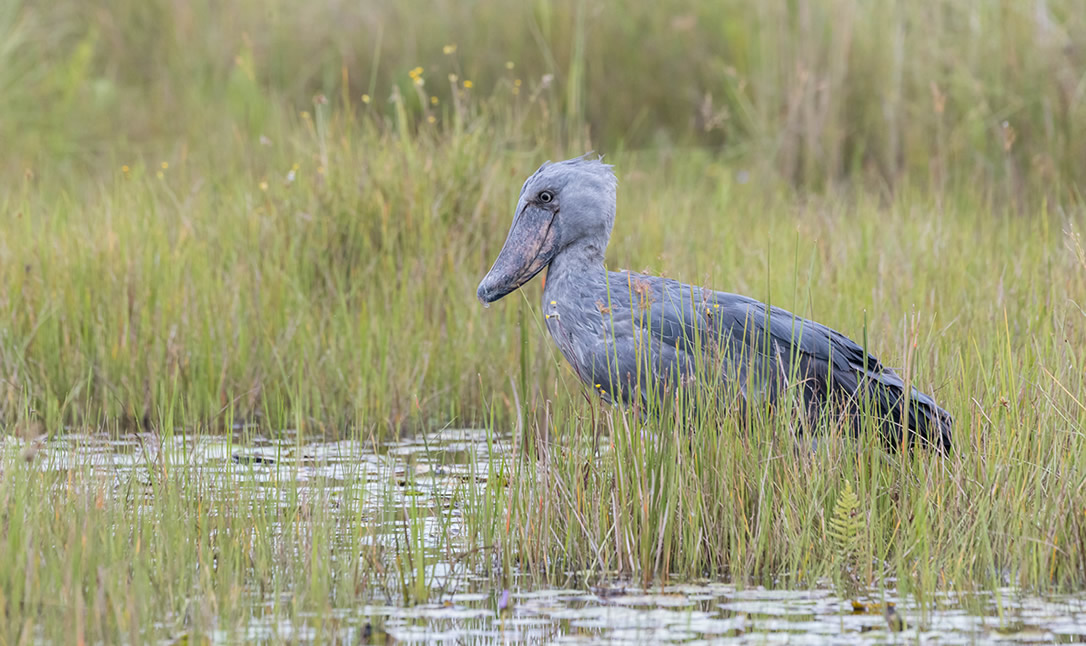
Uganda shoe bill stork: There is a bird in the swamps of Uganda that looks like it was designed by a prehistoric engineers. It stands nearly five feet tall, moves with the stillness of a monk, and carries a bill so enormous and so oddly shaped that early Arab traders called it Abu Markub the Father of the Shoe.
The shoebill stork (Balaeniceps rex) is one of the most sought-after birds on earth, and Uganda is, without question, the single best country on the planet to find it.
If you are a birder, a wildlife photographer, or simply a traveler who wants to come face to face with something genuinely prehistoric, Uganda should sit at the very top of your bucket list. This article tells you exactly why, where to go, when to visit, what to expect, and how to make the most of a shoebill encounter on a Uganda safari.
What Is the Shoebill Stork?
A shoe bill is a one of the massive, and solitary bird species. It is found only in the freshwater swamps of tropical East Africa, with the bulk of the global population concentrated in Uganda, Sudan, the Democratic Republic of Congo, Zambia, and Tanzania.
Its most striking feature is its bill broad, bulbous, hooked at the tip, and capable of snatching lungfish, Nile monitor lizards, young crocodiles, and water snakes with explosive speed. The bird stands motionless for long stretches of time, a hunting strategy that has earned it a reputation as the most patient predator in the avian world. When it finally strikes, the movement is so fast that most cameras cannot capture it without a high-speed shutter.
The global population is estimated at between 5,000 and 8,000 individuals. The International Union for Conservation of Nature (IUCN) lists the shoebill as Vulnerable, making every sighting a privilege rather than a guarantee.
Why Uganda Specifically? The Numbers Tell the Story
Uganda holds the largest and most accessible concentration of shoebill storks anywhere in the world. Estimates suggest that Uganda alone is home to between 1,000 and 1,500 shoebills representing roughly 15 to 20 percent of the entire global population.
What makes Uganda exceptional is not just the density of birds but the accessibility of the habitat. ln other countries like Sudan andDRC, shoe bills are there, though they are very remote and politically unstable.
You do not need to mount an expedition to find a shoebill in Uganda. You need a reliable guide, a canoe, and a morning.
Top Locations to See the Shoebill Stork in Uganda
Mabamba Swamp ( The Best Single Site on Earth)
Mabamba Bay Wetland,is the popular home for viewing the uganda shoebill stork. Its situated on the northern shores of Lake Victoria about 35 kilometres southwest of Kampala.
This papyrus swamp stretches across thousands of acres of floating vegetation and shallow channels, providing ideal habitat for lungfish the shoebill’s preferred prey and therefore for the birds themselves.
Mabamba is consistently the most reliable location on the planet to see a shoebill stork. Local guides will lead you and help you watch this amazing bird, offer you detailed information concerning this bird.
Sightings are so dependable that many birding tour operators usually offer Mabamba as a half-day excursion from Kampala or before your Ugandan safari.
The experience is intimate. You approach by wooden canoe, guided by a local community member who reads the papyrus like a map. The swamp falls quiet around you as you watch this shoe bill stork
Practical details: The best time to visit is early morning, between 6:00 and 10:00 AM. A canoe trip typically lasts two to three hours. Community conservancy fees apply, and the funds directly support local wetland protection. Bring waterproof footwear, rain gear, and a telephoto lens.
Murchison Falls National Park ( Shoebill with Big Game)
Murchison Falls National Park, Uganda’s largest protected area, offers something Mabamba cannot: the shoebill stork within the context of a full East African safari.
The Nile Delta area at the northern end of Lake Albert hosts a resident shoebill population, and boat trips along the Albert Nile frequently deliver sightings alongside Nile crocodiles, hippos, and African elephants drinking at the riverbank.
A shoebill sighting at Murchison can be combined with game drives where lions, giraffes, buffaloes, and Uganda kob roam the open savannah. This makes Murchison the ideal destination for the traveller who wants wildlife diversity and is not a dedicated birder.
Practical details: Boat trips on the Albert Nile depart from Paraa and Wanseko. The shoebill favours the papyrus-fringed edges of the delta. Early morning cruises give the best chance of sightings.
Ziwa Rhino Sanctuary and Surrounds
This is another prominent destination for viewing the uganda shoe bill stork.Between Kampala and Murchison Falls, the wetlands around Ziwa Rhino Sanctuary also host occasional shoebill sightings. While not as reliable as Mabamba, Ziwa offers the unique combination of Uganda’s only wild white rhinos with the possibility of a shoebill tick making it worth a stop on any road trip heading north.
Semuliki National Park and Lake George Wetlands
The wetlands bordering Lake George and the Kazinga Channel, within Queen Elizabeth National Park, offer sightings of the Uganda shoe bill stork alongside with other spectacular large mammal concentrations in Africa.
Shoebills are seen here but are less frequent than at Mabamba. However, the Kazinga Channel boat cruise is world-class for waterbirds, hippos, and buffalo herds, making the area well worth including in any Uganda itinerary.
Best Time to Visit the Uganda shoe bill stork.
Uganda’s equatorial climate means viewing the Uganda shoe bill stork ispossible year-round, but two dry seasons produce the most productive and comfortable birding conditions.
June to August is the primary dry season. Water levels in the swamps drop, concentrating fish and making shoe bills easier to locate. Papyrus mats become more compact, reducing the area a bird might be hiding in. These months align with peak international travel to Uganda for gorilla trekking, so book accommodation and guides well in advance.
December to February is the shorter dry season. Conditions are excellent, visitor numbers are slightly lower than June–August, and migratory bird species add further richness to the birding lists.
March to May and September to November are the rainy seasons. Shoebills are still findable they do not migrate but swamp access can be more difficult, and papyrus growth is denser. For the dedicated birder, rainfall months can actually be rewarding because many species are in breeding plumage.
How to Plan Your Uganda Shoebill Safari
Getting to Uganda
Entebbe International Airport (EBB) is the main entry point, located on the shores of Lake Victoria, 40 kilometres south of Kampala. Major airlines connect Entebbe to Nairobi, Addis Ababa, Dubai, Amsterdam, London, and other global hubs. East African visitors can enter Uganda overland from Kenya, Rwanda, Tanzania, and the DRC.
Visas
Most nationalities require a visa to enter Uganda. The East Africa Tourist Visa covers Uganda, Kenya, and Rwanda for $100 and is excellent value for multi-country itineraries. Apply online at the Uganda e-visa portal before departure.
Health and Safety
Follow the healthy rules and safety measures followed while you are planning to visit Uganda.. Anti-malarial medication is strongly recommended, particularly for travel to low-lying areas like Mabamba. Standard travel insurance with medical evacuation cover is advised.
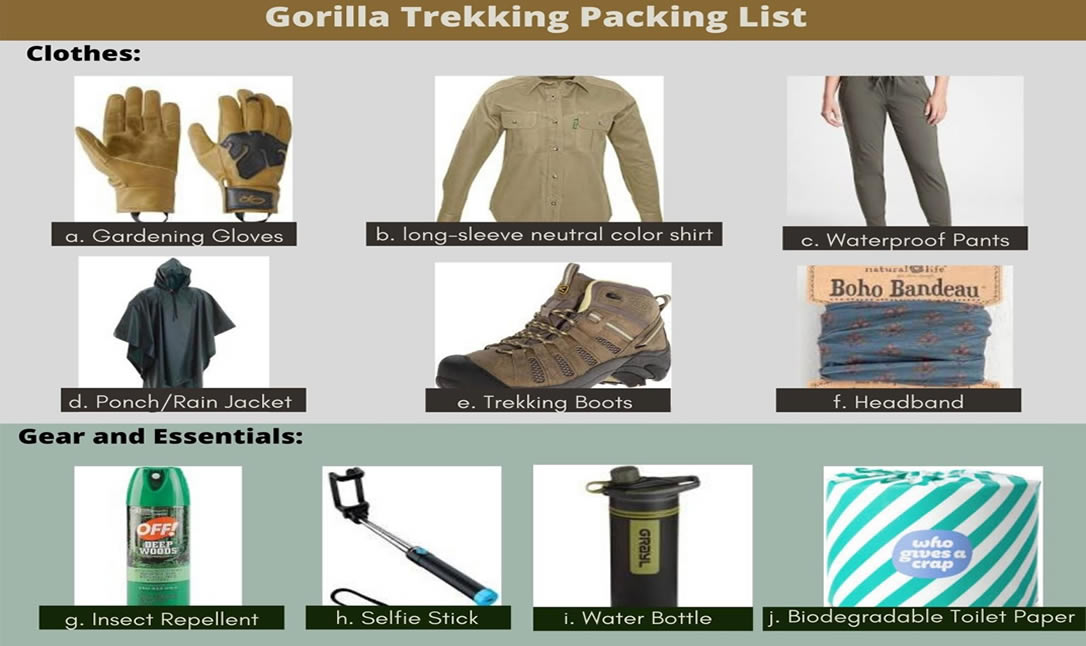
What to Pack for Swamp Birding.
Here is a list that bares some of the necessary requirements needed while you are preparing for a Uganda shoe bill stork safari.
- Waterproof hiking boots or rubber gumboots (often available for hire at Mabamba)
- Light, breathable long-sleeved clothing in neutral colors (khaki, olive, grey)
- Rain jacket — swamp mornings can be cool and mist is common
- Binoculars with at least 8×42 magnification
- Camera with a 400mm telephoto lens minimum; 500–600mm if available
- Insect repellent with DEET
- Sunscreen and a wide-brimmed hat
- Small daypack with water and snacks
Combining Shoebill with Other Uganda Wildlife Experiences
Uganda is one of the most biodiverse countries in Africa, and a shoebill trip pairs naturally with:
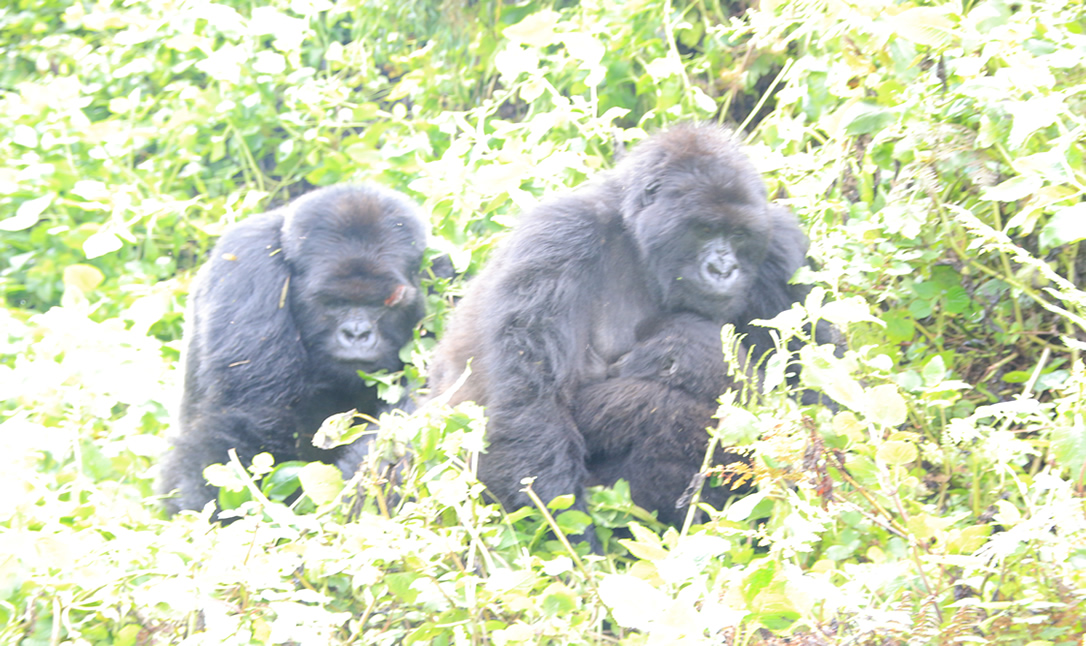
- Mountain gorilla trekking in Bwindi Impenetrable Forest Uganda holds roughly half the world’s remaining mountain gorilla population.
- Chimpanzee tracking in Kibale National Park, the primate capital of Africa.
- Tree-climbing lions in Queen Elizabeth National Park.
- White-water rafting on the Nile at Jinja.
- Rwenzori Mountains hiking the legendary Mountains of the Moon.
Uganda is compact enough roughly the size of the United Kingdom that all of these experiences can be combined into a single two-week itinerary.
The Conservation Story Behind the Shoebill
Seeing a shoebill in Uganda is not merely a wildlife experience; it is a vote for conservation. The community-based model at Mabamba is one of the success stories of African ecotourism. Local families who once drained wetlands for agriculture have discovered that protecting papyrus and the birds within it generates more consistent income than any crop.
Revenue from canoe hire, guide fees, and entrance charges funds wetland monitoring, anti-poaching patrols, and environmental education in local schools. When you book a shoebill canoe trip, you are directly funding the preservation of one of Africa’s most irreplaceable wetland ecosystems.
The shoebill is also threatened by habitat loss from papyrus harvesting, egg collection, disturbance at nest sites, and the draining of wetlands for cattle grazing. Uganda’s protected areas and community conservancies represent the bird’s strongest line of defence.
What to Expect During a Shoebill Encounter
First-time visitors are consistently struck by two things: the size of the bird and its stillness. Standing beside a shoebill separated by ten or fifteen metres of open water is one of the most surreal wildlife moments available anywhere in Africa. The bird typically regards you with a calm, prehistoric indifference that feels almost contemptuous.
Experienced guides can read shoebill body language. When the bird leans slightly forward and its head drops that is the pre-strike posture. The explosion of movement that follows lasts less than a second. Many visitors describe waiting thirty minutes for that single second and feeling that it was entirely worth it.
Shoebills are largely solitary outside of breeding season. Finding two together is considered exceptional luck. Juveniles, identifiable by their darker, brown-grey plumage, are sometimes seen with adults at productive fishing sites.
Why Uganda Beats Every Other Shoebill Destination
Sudan has more shoebills by raw count, but the Sudd the vast papyrus swamp along the White Nile is remote, logistically brutal, and politically unpredictable. The DRC holds significant populations but accessibility and safety concerns make organised birding tours difficult to operate. Zambia has shoebills in the Bangweulu Wetlands, but sightings are far less reliable than at Mabamba.
Uganda offers what no other shoebill country can match: world-class guiding, community-run canoe operations, reliable sighting rates, safe and stable conditions, excellent accommodation options from budget to luxury, and the ability to combine a shoebill encounter with mountain gorillas, primates, and savannah wildlife all in a single trip.
The Pearl of Africa, as Winston Churchill famously called it, wears many feathers. The most extraordinary of all of them is grey, four and a half feet tall, and standing perfectly still in a papyrus swamp at dawn, waiting for a lungfish to make one small mistake.
Book Your Uganda Shoebill Safari
Gorilla Safaris Africa designs bespoke Uganda wildlife itineraries that include guaranteed shoebill boat trips at Mabamba, expert local guides, comfortable lodges, and seamless logistics from Entebbe Airport. Whether you have three days or three weeks, we build itineraries around your interests, your budget, and the wildlife you most want to see.
Contact our team today to start planning your Uganda shoebill safari
Company
Gorilla Safaris Africa is one of the leading experts to trust while you are seeking for unforgettable and gorillas safaris with in Africa.
Features
Most Recent Posts
- All Post
- Combined Safaris
- East Africa
- Gorillas
- Luxury Safaris
- Primates Safaris
- Wildlife