
Safety Tips for First-Time Travelers to Uganda
Safety Tips for First-Time Travelers to Uganda
Safety Tips for First-Time Travelers to Uganda:Uganda has a reputation among seasoned travelers as one of the friendliest, most welcoming countries in East Africa and after guiding thousands of first-time visitors through its national parks and forests, we would agree.
But “friendly” doesn’t mean “no preparation needed.” Like any destination, Uganda rewards travelers who arrive informed. This guide walks you through everything a first-timer actually needs to know to travel safely, confidently, and without the small mistakes that cause most trip headaches.
Is Uganda Safe for Tourists?
Yes. Uganda is completely safe for tourists especially the country’s tourist circuits Bwindi Impenetrable Forest, Queen Elizabeth National Park, Murchison Falls, Kibale Forest, Lake Mburo, Jinja and many more.
Most safety concerns for tourists in Uganda are the same as anywhere in the world: petty theft, road accidents, and health precautions, not violent crime targeting foreigners. The country’s tourism economy depends heavily on its reputation for safe, well-run gorilla trekking and safari experiences, so security around parks and lodges is consistently well managed.
That said, sensible precautions matter, especially in your first days before you find your footing.
- Get Your Visa and Entry Documents Sorted Early.
safety tips for first time travelers to Uganda:Uganda’s entry system is fully digital, and getting this wrong can detail your trip before it starts.
- Apply online in advance. All visas must be obtained through the official Uganda e-Visa portal before you travel there is effectively no visa-on-arrival option anymore, so arriving without per-approval risks being denied boarding by your airline.
- Choose the right visa type. A single-entry tourist e-visa suits most travelers visiting Uganda only. If your itinerary also includes Kenya or Rwanda, the East Africa Tourist Visa lets you cross those borders on one document without reapplying.
- Check your passport validity. Immigration expects at least six months of validity remaining from your arrival date, plus at least one blank page.
- Keep digital and printed copies of your approval letter, passport bio-data page, and travel itinerary. Airlines and border officials often ask to see a printed copy, not just a phone screenshot.
- Handle the Yellow Fever Vaccination Requirement.
This is the one health document Uganda checks without exception: a valid yellow fever vaccination certificate is mandatory for entry, regardless of where you’re flying from. Get vaccinated at least ten days before departure (that’s how long it takes for the certificate to become valid) and carry the physical card with you not just a photo of it.
Beyond yellow fever, talk to a travel health clinic 4–6 weeks before your trip about:
- Malaria prevention. Uganda is a malaria-risk country. Antimalarial tablets, a permethrin-treated mosquito net if your lodge doesn’t provide one, insect repellent with DEET, and covering up at dusk are your best defences.
- Routine vaccinations make sure tetanus, typhoid, and hepatitis A/B are up to date.
- Drinking water. Stick to bottled or filtered water. Most lodges and camps provide it as standard, but it’s worth carrying a reusable bottle with a built-in filter for day trips.
- Book Through Reputable Operators and Lodges
This is one of the biggest safety factors for first-time visitors, and it’s entirely within your control. Uganda’s national parks, gorilla and chimpanzee trekking permits, and most rural roads are best navigated with an established tour operator rather than independently, at least for your first visit. Some of the tour operators to contact include gorilla safaris africa.
A good operator handles permit logistics, vehicle maintenance, experienced drivers who know the roads, park ranger coordination, and emergency backup all things that matter far more in rural Uganda than they might at home.
When choosing an operator, look for:
- Registration with the Uganda Tourism Board and Association of Uganda Tour Operators (AUTO)
- Verifiable reviews across independent platforms, not just testimonials on their own site
- Clear written confirmation of your gorilla or chimpanzee permits (these are purchased in your name and checked at the trailhead)
- A vehicle described as a safari-modified 4×4, not a standard sedan, for park routes
- Money, Cash, and Card Safety
- Ugandan Shillings (UGX) are the local currency, but US dollars are widely accepted for park fees, permits, and larger lodge bills bring newer notes (2013 or later), as older or damaged bills are often rejected.
- ATMs are reliable in Kampala, Entebbe, and larger towns, but scarce once you’re deep in the parks. Withdraw and budget cash before heading into rural circuits.
- Carry cash in a money belt or hidden pouch, not a back pocket, especially in crowded markets or bus parks in Kampala.
- Notify your bank of your travel dates so your card isn’t flagged and frozen mid-trip.
- Tipping is customary for guides, drivers, and porters budgeting for this in advance avoids awkward cash shortages later.
- Road Safety: The Real Risk to Manage
If there’s one area where first-time travelers underestimate the risk, it’s the roads, not wildlife or crime. Traffic accidents are statistically the most common serious incident involving tourists in Uganda.
- Avoid night driving outside cities where possible roads are poorly lit, and both pedestrians and livestock share the road.
- Always wear a seatbelt, and don’t hesitate to ask your driver to slow down.
- If self-driving isn’t essential to your plans, hiring a driver-guide is safer and genuinely more enjoyable you get local knowledge for free.
- For long transfers between parks, factor in extra time; distances that look short on a map often take hours on unpaved roads.
- Gorilla and Chimpanzee Trekking Safety
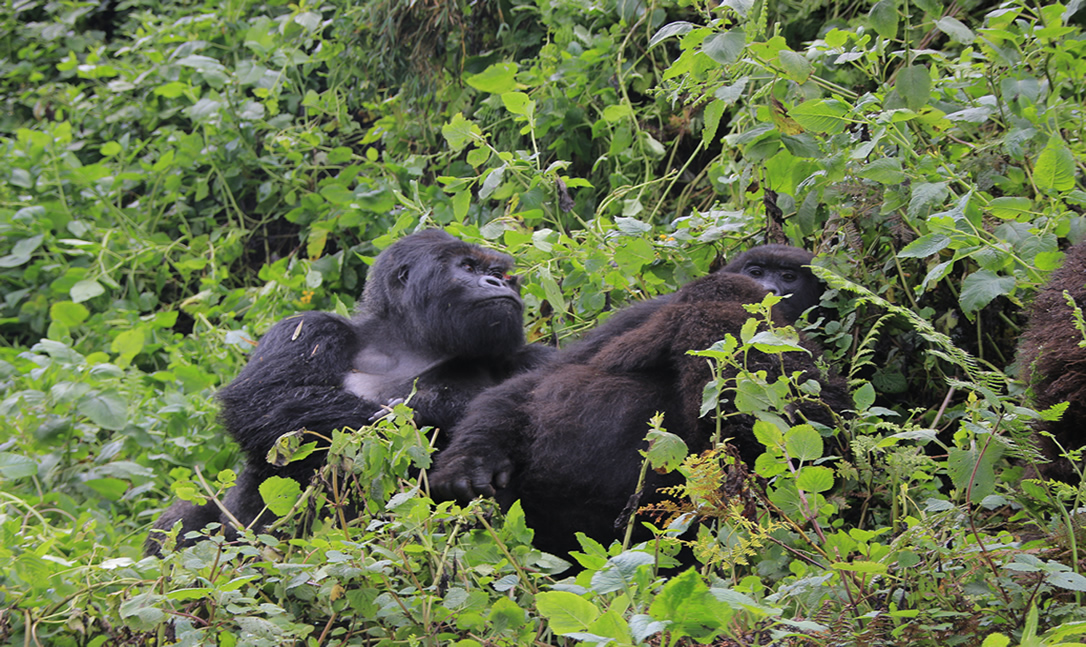
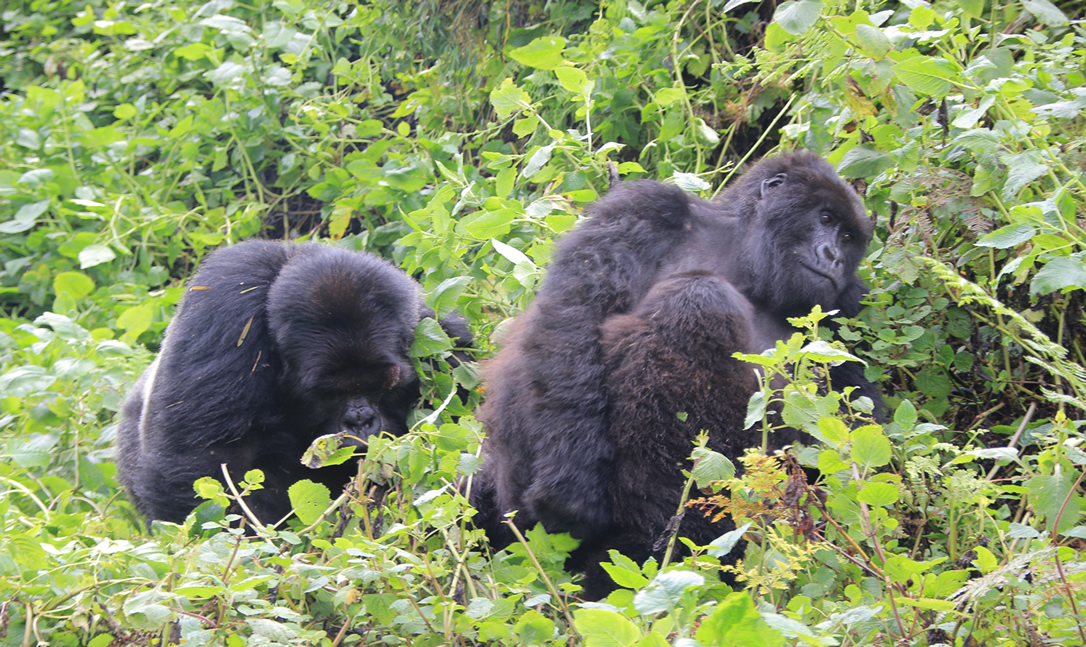
Trekking is the highlight of most Uganda itineraries, and it’s very safe when you follow the rules set by the Uganda Wildlife Authority (UWA):
- Stay at least 7 metres (about 21 feet) from gorillas at all times rangers enforce this to protect both you and the animals from disease transmission.
- Don’t trek if you’re feeling unwell, especially with a cough or cold. Gorillas are highly susceptible to human respiratory illnesses, and reputable operators will ask you to sit that day out.
- Wear sturdy hiking boots, long trousers, and gardening gloves the forest floor is uneven and often has stinging nettles.
- Listen to your ranger guide at all times; they carry radios and know how to manage any unexpected wildlife encounter.
- A moderate fitness level is genuinely useful treks can range from 1 to 6+ hours depending on where the gorilla family is that day.
- General Wildlife Safety on Safari
- Never exit the vehicle during a game drive except at designated points this applies even if animals seem far away or docile.
- Keep noise levels down and don’t feed wildlife, including monkeys around lodges, which can become aggressive when habituated to human food.
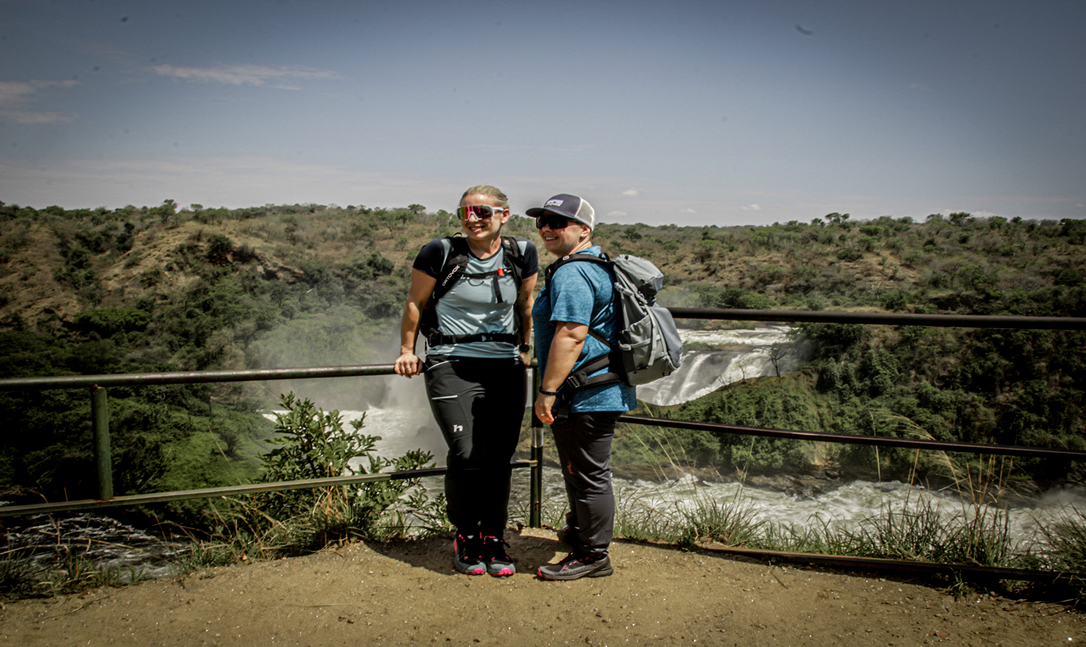
- At lodges bordering parks (common in Queen Elizabeth and Murchison Falls), staff will walk you between rooms and the dining area after dark, since hippos and buffalo often graze through camps at night. Always accept the escort.
- Personal Safety in Towns and Cities
Kampala and Entebbe are generally safe for tourists who take normal city precautions:
- Avoid displaying expensive cameras, jewelry, or phones openly in crowded areas like taxi parks and markets.
- Use registered taxis or ride-hailing apps rather than hailing unmarked vehicles, particularly after dark.
- Keep copies of your passport and visa separate from the originals, and leave valuables in your accommodation’s safe.
- As with most tourist destinations, be politely skeptical of unsolicited “guides” or “helpers” who approach you at transport hubs.
Cultural Etiquette That Helps You Travel Safer
Understanding local customs isn’t just polite it smooths interactions and reduces misunderstandings:
- Greet people before launching into a question or request; a quick “how are you” goes a long way in Uganda.
- Dress modestly outside beach or pool areas, particularly in rural communities and religious sites.
- Ask permission before photographing people, especially in villages.
- Public displays of affection are best kept low-key, as Uganda remains socially conservative in this regard.
- Solo and Female Travelers
Uganda is a manageable destination for solo and female travelers, and many visit independently every year without incident. A few extra habits help:
- Share your daily itinerary with someone at home or your lodge.
- Choose accommodation with good reviews for solo travelers and secure night-time access.
- Dress modestly and travel with a licensed guide for treks and rural excursions rather than exploring alone.
Travel Insurance Is Non-Negotiable.
Given the remote location of many parks relative to major hospitals, comprehensive travel insurance covering medical evacuation is essential, not optional. Look for a policy that explicitly covers trekking activities and emergency air evacuation, since standard policies sometimes exclude activities above a certain altitude or remoteness threshold.
- Emergency Numbers and Practical Contacts
Here are some of the emergency numbers that you can call incase you are in trouble they include
Uganda Police (Emergency): 999 or 112
Your tour operator’s 24-hour emergency line a reputable operator will provide this before departure
Final Thoughts
Uganda earns the nickname “the Pearl of Africa” honestly misty forests, mountain gorillas at arm’s length (well, seven metres), and some of the warmest hospitality you’ll find anywhere.
None of the precautions above are reasons to worry; they’re simply the same due diligence any experienced traveler applies to a new destination
. Prepare your documents, choose a reputable operator, respect the wildlife and road conditions, and you’ll find Uganda one of the safest and most rewarding safari destinations in Africa.
Planning your first gorilla trekking safari? Talk to our team about building an itinerary with vetted guides, safety-first logistics, and permits handled from start to finish.
Company
Gorilla Safaris Africa is one of the leading experts to trust while you are seeking for unforgettable and gorillas safaris with in Africa.
Features
Most Recent Posts
- All Post
- Combined Safaris
- East Africa
- Gorillas
- Luxury Safaris
- Primates Safaris
- Wildlife