
What vaccines are needed for gorilla trekking?
Gorilla trekking is an essential activity to experience during a Ugandan safari. Picture yourself amidst the native forests of Bwindi and Mgahinga, observing these gentle giants. Since gorilla trekking leads you to secluded tropical forests, ensuring proper health is one of the primary considerations to address beforehand.
In this article, we will provide a comprehensive guide on the mandatory and recommended vaccinations for gorilla trekking in Uganda. We will explain why these vaccinations are vital and outline additional health precautions that travelers should take prior to their journey.
Why Vaccinations Are Important for Gorilla Trekking?
Wildlife conservation.
Gorilla trekking is prohibited without a valid certificate of vaccination. Humans can contract both COVID-19 and yellow fever from an infected guest. Once this occurs, there may be a severe outbreak that puts all Ugandans’ existence at jeopardy.
An outbreak of this avoidable illness is extremely alarming because Uganda is thought to be one of the nations free of yellow fever. As of right now, there is no antiviral medication available to treat Yellow Fever.
Gorilla trekking is your main activity in Uganda, therefore you may come into contact with either COVID-19 or yellow fever from the mountain gorillas. Additionally, 98% of human DNA is shared by mountain gorillas. As a result, they may have similar symptoms to those of humans. Their already diminished numbers in the wild are at danger because of this. Remember, they are critically endangered according to the International Union for Conservation of Nature.
Mandatory vaccines needed in Uganda.
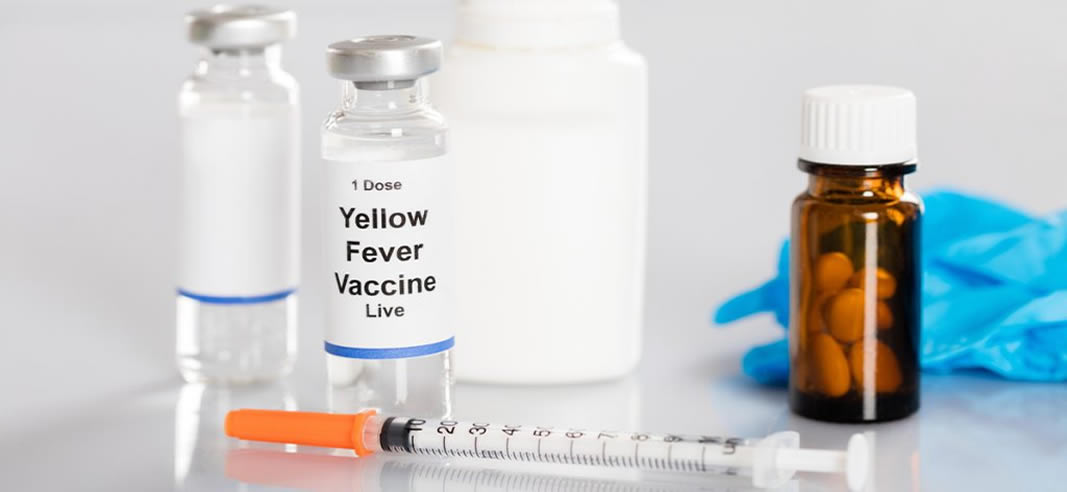
Yellow Fever Vaccine:This is one of the main vaccines that is highly needed to enter with in Uganda. This applies to travelers of one year, they should be able to present the vaccination card at the immigration.

Duration: One dose typically provides lifelong protection.
Best time to get these mandatory vaccinations
The optimum time to get vaccinated is at least one month prior to your Ugandan gorilla expedition. This time frame is about 6 to 8 months. Make sure you bring the certificate with you since its a primary key element at the airport entrance.
Other Strongly Recommended Vaccines
Here are some of the other strongly recommended vaccines that you need to take care about apart from the yellow fever vaccine.
Hepatitis A:This is one of the crucial vaccines to take while you are planning a Ugandan safari. Hepatitis A is an infection that spreads through contaminated foods and water.
We highly advise travelers to at least obtain this vaccine since gorilla trekking safaris lead you to remote areas. This implies that you need to be mindful about your health.
Why it matters.
Provides protection against food and water borne infections.
More helpful to travelers who love eating across road sides.
Hepatitis B:One of the key vaccines to be mindful is Hepatitis B. This vaccine is also needed for gorilla trekking. The hepatitis B infection spreads through blood and bodily fluids. The vaccine is highly recommended for travelers who have long stays with in the pearl of Africa (about 2to 3 weeks)
Why its useful?
Provides long-term protection
Recommended for long stays or volunteer work
Poliomyelitis vaccines
Poliomyelitis is a virus that is transmitted through the respiratory system and oral or fecal contamination. Taking the poliomyelitis vaccine also protects you against diphtheria and tetanus. Travelers who have completed their original course of childhood immunizations may just require a single booster dose to provide them with coverage. After completion, the vaccine is projected to take roughly 10 years.
Why it matters
Long life protection from the disease
Malaria Prevention (Not a Vaccine):Malaria does not have vaccines but there are some preventive measures that you need to administer to cub it down. Visitors are strongly advised to take antimalarial medication before, during, and after their trip.
Preventive measures for malaria.
You must carry an insect repellent.
Make sure you sleep under mosquito nets at the lodge.
Wearing long-sleeved clothing in the evening
Take doctor-prescribed prophylactic medications
Where to go gorilla trekking in Uganda?
Bwindi Impenetrable National Park:This National Park lies in the far southwestern portion of Uganda and covers around 327 square kilometres. This huge jungle is home to over half of all the mountain gorillas in the world. About 18 gorilla families are now exposed to tourists, and two more are set aside for the gorilla habituation experience.
Bwindi Impenetrable National Park has more than 350 bird species, 300 tree species, 88 months, 51 reptile species, 310 butterflies, and many more forest animals. The Park is also home to about ten distinct types of primates, such as olive baboons, vervet monkeys, grey-checked mangabeys, chimpanzees, and blue monkeys.
Mgahinga National Park: Despite its small size, this forested national park is a biosphere reserve and an excellent destination for gorilla trekking. Mgahinga National Park is home to the Nyakagezi group of mountain gorillas, which are some of the last ones left in the world.
Gahinga, Sabyinyo, and other volcanoes in the Virunga range are part of this national park. Most people go on an eight-hour hike to see these volcanoes.
There are also a number of other primates that live here, such as golden monkeys, grey-cheeked mangabey, red-tailed monkeys, blue monkeys, black and white colobus, and olive baboons.
Whats the best time to do gorilla trekking in Uganda?
Gorilla trekking is an all-year sport, although the best time to do it is during the rainy season. The dry season is usually the best time to go gorilla trekking.
This season is divided into two sections (June to August).
The dry season is ideal for gorilla trekking because rains are seldom. This is because the trails are less slick, making them easier to navigate, and the vegetation is fairly clean, allowing for great wildlife observation.
However, gorilla trekking is still possible during the wet season, but be prepared for rain and muddy trails. The only advantage of traveling during the wet season is that some lodging alternatives provide discounts or cut the prices of their rooms.This is the ideal time for budget travelers.
NB: We recommend acquiring permits two months before the date of departure because permits are issued on a first-come, first-served basis and many people go gorilla trekking.
Company
Gorilla Safaris Africa is one of the leading experts to trust while you are seeking for unforgettable and gorillas safaris with in Africa.
Features
Most Recent Posts
- All Post
- Combined Safaris
- East Africa
- Gorillas
- Luxury Safaris
- Primates Safaris
- Wildlife