
Best Places to See Wildlife in Uganda
Uganda is often called the Pearl of Africa, and once you’ve stood in it, the name makes perfect sense. It’s one of the only places on Earth where you can trek through misty rainforest to sit with mountain gorillas one morning and watch lions lounging in fig trees on the open savanna a few days later.
At Gorilla Safaris Africa, we’ve spent years guiding travellers through Uganda’s parks, and we’ve put together this ranked guide to help you decide where to go, what you’ll see, when to visit, where to stay, and what it will cost.
How We’ve Ranked These Parks
We’ve ranked the parks below by wildlife diversity, ease of access, how unique the experience is, and overall value for money. Bwindi and Queen Elizabeth take the top two spots because they offer encounters you simply can’t get anywhere else in the world (gorillas) or an unmatched variety of animals in a single park. Quieter parks like Kidepo and Semuliki rank lower purely because of their remoteness, not because the wildlife is any less spectacular. In fact, some of our most loyal guests tell us Kidepo was their favourite park of all.
Bwindi Impenetrable National Park — Best for Mountain Gorillas
Location
Located in the misty hills of southwestern Uganda, in the districts of Kanungu, Kabale, and Rukungiri along the edge of the Democratic Republic of Congo, Bwindi Impenetrable National Park is where most safari dreams in Uganda begin. It’s roughly an 8–9-hour drive from Kampala, or a quick, scenic 1-hour flight from Entebbe if you’d rather save your energy for the trek itself.
Animals to See
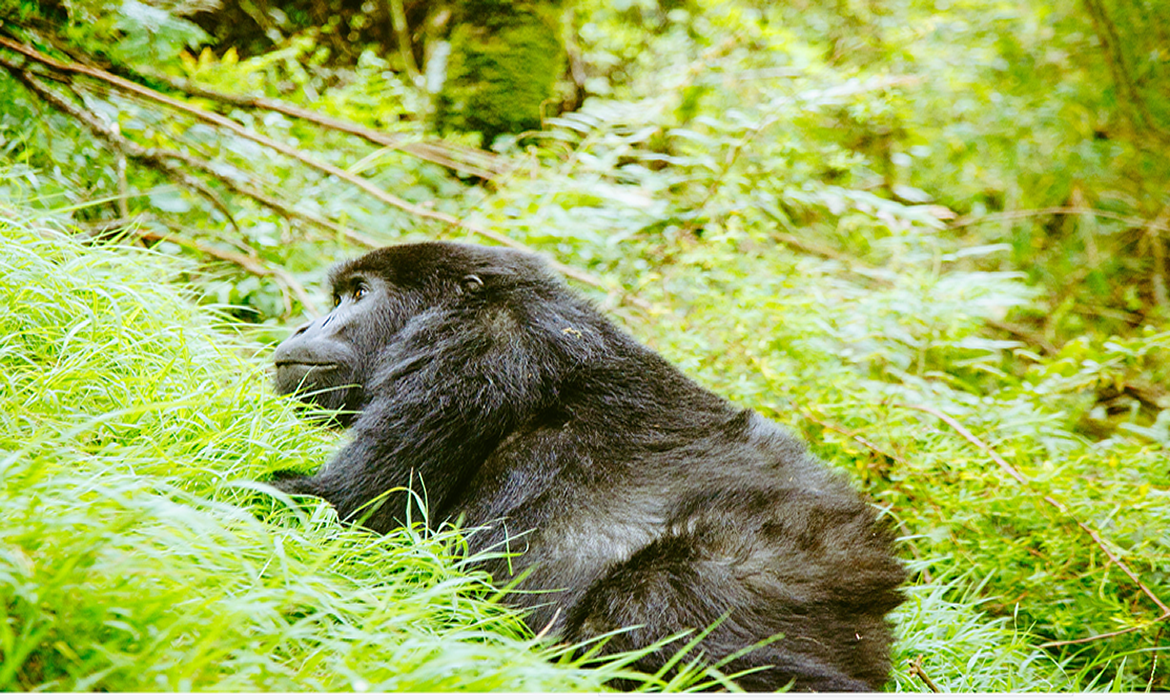
This ancient rainforest, over 25,000 years old, shelters close to half of the world’s remaining mountain gorillas, which is why our guests consistently rank it as the single most moving wildlife encounter of their entire trip. Beyond the gorillas, keep an eye out for over 350 bird species that make Bwindi a quiet favorite among birders too.
Best Time to Visit
Aim for the dry seasons, June to September or December to February, when the trails are firmer and the trekking is a little easier on the legs.
However If you’re travelling on a tighter budget and don’t mind a bit of rain, April, May, and November now come with discounted prices for accommodation, transport, and the forest is arguably even more beautiful when it’s lush and green.
Where to Stay
For where to stay, we tailor this to your style.
Budget travellers do well at community guesthouses or UWA campsites around Buhoma and Ruhija.
For a comfortable mid-range stay, we love Buhoma Lodge and Engagi Lodge. And for guests wanting a touch of luxury after a day on the trail, Clouds Mountain Gorilla Lodge, Mahogany Springs, and Gorilla Forest Camp never disappoint.
Cost
As for cost, a standard gorilla trekking permit runs $800 per person for foreign non-residents, covering park entry, your rangers and trackers, and a full hour with a gorilla family.
Guests wanting a deeper experience often ask about the gorilla habituation permit at around $1,500, which allows up to four hours with a semi-habituated family.
Queen Elizabeth National Park — Best for Big Game Variety
Location
If you want one park that shows you almost everything Uganda has to offer, this is it. Queen Elizabeth National Park sits in the Albertine Rift Valley in western Uganda, spanning the districts of Kasese, Rubirizi, and Kanungu, about a 5–6 hour drive from Kampala or a short hop by air into Kasese or Mweya airstrip.
Animals to See
It’s Uganda’s most biodiverse park, blending open savanna, wetlands, crater lakes, and forest, and it’s home to the famous tree-climbing lions of the Ishasha sector, a behaviour you’ll struggle to find almost anywhere else on the continent. Add elephants, leopards, one of Africa’s densest hippo populations along the Kazinga Channel, Uganda Kob, buffalo, and over 600 bird species including the much sought-after shoebill stork, and you’ll understand why we send so many first-time safari guests here.
Best Time to Visit
For the best game viewing, plan your trip for June to September or January to February, when animals gather around water sources. That said, the Kazinga Channel boat cruise, one of our guests’ favourite excursions, is superb year-round. However the park is always open throughout the year.
Where to Stay
We usually base guests on the Mweya Peninsula, which offers everything from budget UWA bandas to the iconic Mweya Safari Lodge with its sweeping views. For travellers chasing those tree-climbing lions, we recommend a night or two in the Ishasha sector at a tented camp like Ishasha Wilderness Camp.
Cost
Budget-wise, park entry runs about $40 per person per day, the Kazinga Channel cruise is around $30, and chimpanzee tracking in Kyambura Gorge ranges from roughly around $100 depending on season and operator.
Murchison Falls National Park — Best for the Nile River Experience
Location
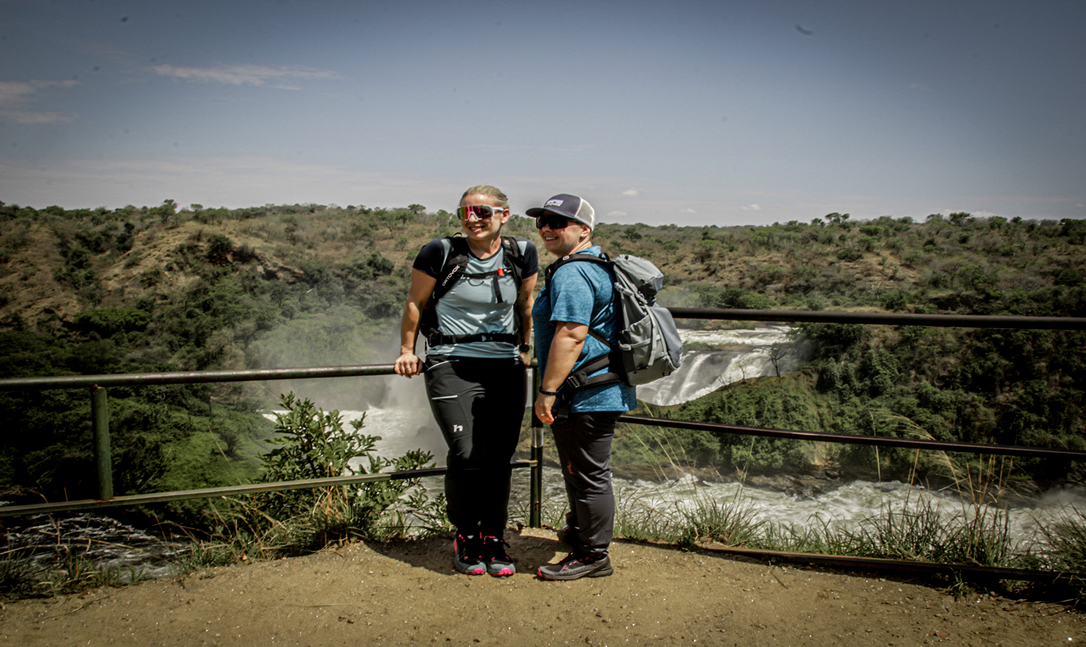
Uganda’s largest national park sits in the northwest, roughly 3–5 hours from Kampala by road or about an hour by air, straddling the Victoria Nile as it forces itself through a narrow gorge and thunders over the falls that give the park its name.
Animals to See
We love recommending Murchison Falls because it delivers a bit of everything in one trip: a boat cruise up the Nile toward the base of the falls (genuinely one of the best wildlife-viewing boat trips in East Africa), a hike to the top of the falls for that unforgettable view, and classic savanna game drives. Expect elephants, giraffes, lions, buffalo, hippos, some seriously large Nile crocodiles, and over 450 bird species, with the shoebill stork often spotted around the delta. Chimpanzee tracking in nearby Budongo Forest is an easy add-on too.
Best Time to Visit
The driest and easiest months for game drives are December to February and June to September. Visit during the wetter months (March–May, October–November) and you’ll trade a bit of mud for lush green scenery and noticeably fewer crowds.
Where to Stay
Accommodation ranges from budget campsites near Paraa to comfortable mid-range options like Red Chilli Rest Camp, right up to riverside luxury at Chobe Safari Lodge or Paraa Safari Lodge.
Cost
Budget for park entry at $45 per person per day, the Nile boat cruise at around $30–35.
Kibale Forest National Park — Best for Chimpanzee Tracking
Location
Near Fort Portal in western Uganda, about a 4–5 hour drive from Kampala, Kibale Forest is the park where guests interested in chimpanzee trekking visit. The park is the only place in Uganda where golden monkey trekking is done. It has the highest density and diversity of primates anywhere in East Africa, and its chimp families are so well-habituated that sightings are guaranteed.
Animals to See
Beyond the more than 1,400 chimpanzees living here, you’ll find 12 other primate species, including red colobus monkeys, l’Hoest’s monkeys, and grey-cheeked mangabeys, plus over 375 recorded bird species. Forest elephants and buffalo pass through too, though less predictably.
Best Time to Visit
June to September and December to February are the most comfortable months for the forest walk, though chimp tracking itself runs year-round since Kibale stays green even in the dry season.
Where to Stay
For lodging, Kibale Forest Camp suits budget-to-mid-range travellers, Ndali Lodge is a beautiful choice perched on a crater lake rim, and Primate Lodge Kibale, right inside the park, is our top pick for guests wanting to be close to the action.
Cost
A standard chimp tracking permit costs about $250 per person, while the full-day chimpanzee habituation experience runs around $300.
Kidepo Valley National Park — Best for Remote, Untouched Wilderness
Location
For guests who tell us they want to feel like the only people on the map, we send them to Kidepo. It sits in Uganda’s far northeast, near the South Sudan and Kenya borders, about 10–11 hours by road from Kampala, which is why almost everyone flies in instead (roughly 1.5 hours from Entebbe).
Animals to See
Many safari experts rank Kidepo among the most beautiful and wildlife-rich parks on the continent, and because so few travellers make it out here, sightings often feel entirely private. Expect lions, cheetahs, leopards, elephants, buffalo, zebras, and giraffes, part of a mammal count of 77-plus species, the second highest of any Ugandan park, alongside more than 475 recorded bird species.
Best Time to Visit
The dry season, September to March, is best, as animals gather around the park’s limited water sources. April and May bring heavy rain that can make road access difficult, which is another reason we usually recommend flying in.
Where to Stay
Accommodation here is intentionally limited: Apoka Safari Lodge for an upscale stay, Nga’Moru Wilderness Camp for mid-range comfort, or a UWA campsite for budget travellers.
Cost
Park entry runs about $40 per person per day.
Lake Mburo National Park — Best for a Quick, Budget-Friendly Safari
Location
Uganda’s smallest savanna park is also its most accessible, roughly 3.5–4 hours from Kampala along the main highway to Bwindi and Queen Elizabeth. We often build Lake Mburo into itineraries as a scenic overnight stop, or recommend it outright to guests short on time or budget who still want a proper safari.
Animals to See
Because there are no lions here, Lake Mburo is one of the few Ugandan parks where walking safaris and horseback safaris are allowed, a favourite with our guests who want to get closer to the wildlife than a vehicle allows. Expect zebras, impalas, elands, buffalo, hippos, crocodiles, and over 350 bird species; it’s genuinely the best place in the country to see zebra and eland together.
Best Time to Visit
The park is enjoyable year-round, though June to September and December to February bring the driest, easiest conditions for game drives and walks.
Where to Stay
For lodging, Rwakobo Rock and Mihingo Lodge offer wonderful mid-range to upscale stays overlooking the park, while Eagle’s Nest and the UWA bandas cover more budget-conscious travellers.
Cost
Park entry is about $40 per person per day, a guided walking safari runs $25, and a horseback safari $30–40. Given how close it is to Kampala, a day trip or overnight stop here is a bit cheap, making it our top recommendation for travellers who want real Ugandan wildlife on a limited budget.
Semuliki National Park — Best for Rare Lowland Rainforest Species
Location
Tucked into the Semuliki Valley near the DR Congo border, close to Fort Portal and about 5–6 hours from Kampala, Semuliki is Uganda’s only true lowland tropical rainforest, an extension of the vast Ituri Forest across the border. We recommend it to guests who’ve already done a gorilla or chimp trek and want something a little different.
Animals to See
This is where serious birders come to tick species found nowhere else in East Africa, and the park has recorded over 400 bird species in total. You’ll also find forest elephants, buffalo, and red-tailed monkeys, plus the bubbling Sempaya hot springs, a great half-day excursion on its own.
Best Time to Visit
December to February and June to September are the best months for forest walks here.
Where to Stay
Accommodation is limited and mostly budget to mid-range, such as the UWA-run Semuliki Safari Lodge or guesthouses in nearby Fort Portal.
Cost
Park entry costs around $35 per person per day, with guided nature walks and birding at $40.
Which Park Is Right for You?
1.Want the single most unforgettable wildlife encounter in Africa?
Choose Bwindi for gorilla trekking.
2.Want variety — lions, elephants, hippos, and boat safaris in one trip?
Choose Queen Elizabeth or Murchison Falls.
3.Want guaranteed, close-up primate action without gorilla-permit prices? Choose Kibale for Chimpanzees and Golden Monkeys.
4.Want total isolation and dramatic, untouched scenery?
Choose Kidepo Valley.
4.Short on time or budget but still want a real safari?
Choose Lake Mburo.
Planning Tips from Our Guides
- Book your gorilla and chimpanzee permits several months ahead; only a limited number are issued each day, and they sell out fast in peak season (June–September and December–February).
- Most park entry fees are valid for 24 hours from the time you enter, so we plan activities around that window carefully.
- Pack for both dry savanna heat and cool, damp rainforest conditions, since Uganda’s climate shifts a lot by region and altitude.
- A malaria prevention plan, your yellow fever vaccination certificate, and sturdy, broken-in walking shoes are essential no matter which parks you visit.
- And as always, travelling with a licensed local guide makes a real difference, especially in remote parks like Kidepo, where local knowledge and logistics matter most.
Note:Uganda rewards travellers who see more than just one park. Every park on this list offers something distinct, and combining two or three, gorillas in Bwindi paired with big game in Queen Elizabeth, for instance, gives you a far richer picture of why Uganda keeps drawing safari-goers back.
Company
Gorilla Safaris Africa is one of the leading experts to trust while you are seeking for unforgettable and gorillas safaris with in Africa.
Features
Most Recent Posts
- All Post
- Combined Safaris
- East Africa
- Gorillas
- Luxury Safaris
- Primates Safaris
- Wildlife