
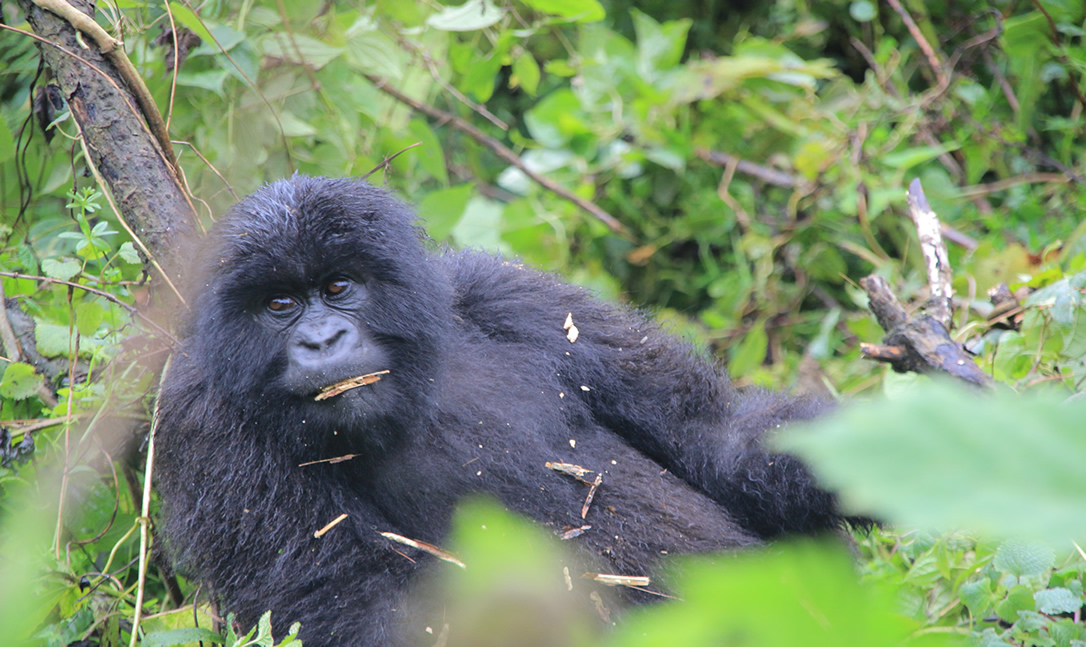
12 Common Mistakes to Avoid When Planning a Gorilla Safari to Africa
12 Common Mistakes to Avoid When Planning a Gorilla Safari to Africa
12 Common Mistakes to Avoid When Planning a Gorilla Safari to Africa: A gorilla safari is the kind of trip most people take once in a lifetime. You spend months dreaming about it, save up the money, and then finally stand in a misty rainforest a few metres from a 200-kilogram silverback. That moment is unforgettable but only if the planning behind it is solid.
Every year, well-meaning travellers show up in Bwindi, Volcanoes National Park or Virunga under prepared, and small oversights turn into expensive, stressful problems. Having watched (and helped fix) the same errors happen again and again, here are the 12 common mistakes to avoid when planning gorilla safari to africa and exactly how to avoid them.
- Booking Gorilla Permits Too Late
The single biggest mistake travellers make is assuming a gorilla permit can be picked up close to travel dates, the way you’d book a hotel room. It can’t.
Only a limited number of permits are issued each day. In Uganda, 96 permits are released daily across the habituated gorilla families in Bwindi Impenetrable National Park and Mgahinga Gorilla National Park, with a maximum of eight visitors per family. Rwanda’s Volcanoes National Park works on a similarly restricted system. During peak months June to September and December to February these permits are often gone six to twelve months ahead of time.
What to do instead: Book your permit at least 3–6 months in advance for regular season travel, and 9–12 months ahead if you’re travelling around Christmas, New Year, or in July/August. If your dates are fixed (say, a work leave window), secure the permit first and build the rest of the itinerary around it.
- No Budgeting Past the Permit Fee
Many first-time planners get hung up on the price of the permit and realize it is simply a part of the vacation. As of 2026, a standard gorilla trekking permit costs around $800 per person in Uganda (with a discounted rate of roughly $600 during the April, May and November low season), $1,500 in Rwanda, and about $400 in the Democratic Republic of Congo. A four-hour gorilla habituation experience in Uganda’s Rushaga sector costs more, in the region of $1,500.
On top of that permit, you still need transport, park entry fees for other activities, accommodation, meals, guide tips, and often a visa. A realistic mid-range gorilla safari of 3–5 days typically runs from around $1,800 to $4,000 per person, while budget trips can be arranged for less and luxury lodges push costs well beyond that.
What to do instead: Ask your tour operator for a full cost breakdown before booking permit, transport, accommodation, meals, tips, and park fees so there are no surprises on arrival.
- Underestimating the Physical Demands of Trekking
Gorilla trekking is not a leisurely walk. Depending on where the gorilla family has moved that morning, the hike can last anywhere from 30 minutes to 7–8 hours, on steep, muddy, uneven terrain at altitudes often above 2,000 metres. Bwindi’s name literally means “impenetrable forest,” and it lives up to it.
Travellers who assume it will be an easy stroll often find themselves exhausted, dehydrated, or unable to keep pace with the group.
What to do instead: Start light cardio and leg-strength training a few weeks before your trip if you’re not used to hiking. Be honest with your guide about your fitness level rangers can assign fitter trekkers to gorilla families that are further into the forest, and less mobile trekkers to closer groups. Hiring a porter (usually $15–20 for the day) is one of the best decisions you can make; porters carry your bag, help you over difficult sections, and their fees support the local community.
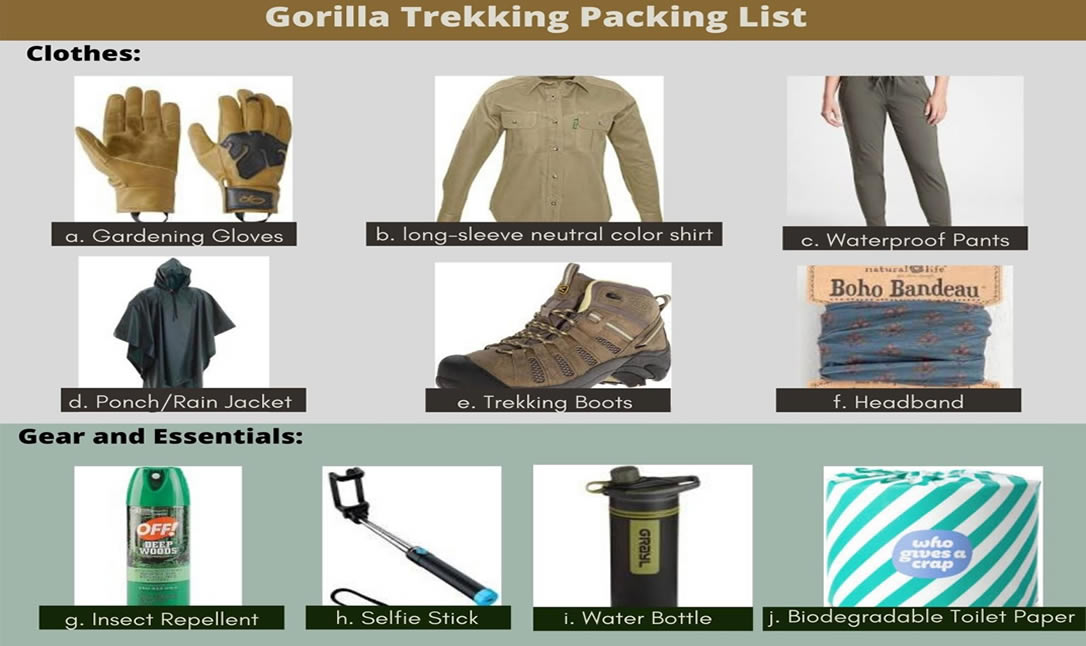
- Packing the Wrong Gear:This is among the 12 common mistakes to avoid when planning a gorilla safari in africa.
Rain forest weather changes fast, and the wrong clothing can turn an incredible day into a miserable one. The most common packing mistakes are wearing shorts or jeans (which offer no protection from nettles, safari ants, and thorny undergrowth), skipping rain gear, and showing up in ordinary trainers instead of proper hiking boots.
What to pack:
- Waterproof, ankle-supporting hiking boots (broken in beforehand, never brand new)
- Long trousers tucked into socks, plus gaiters if you have them
- A long-sleeved shirt and a lightweight rain jacket
- Gardening-style gloves for gripping vegetation
- A daypack with a rain cover, water, and snacks
- A hat, sunscreen, and insect repellent
- A dry bag or plastic sleeve for your camera and phone
Neutral, dull colours (not bright white or camouflage, which is restricted for civilians in some parks) are recommended so as not to startle wildlife.
- Choosing the Wrong Time of Year
Some travellers book whichever dates are convenient for their calendar without checking the season, then are surprised by relentless rain and slippery trails. Uganda and Rwanda both have two rainy seasons (roughly March–May and September–November), when trekking is still possible but noticeably harder underfoot.
What to do instead: The driest, most popular trekking months are June to September and December to February. If you don’t mind rain and want to save money, April, May and November bring lower permit prices and thinner crowds a genuine trade-off worth considering rather than avoiding by default.
- Overlooking Visa and Health Requirements
A surprising number of travellers arrive at the airport only to discover they need a visa they haven’t applied for, or a yellow fever vaccination certificate they don’t have. Uganda, Rwanda, and the DRC all require proof of yellow fever vaccination for entry from many countries, and immigration officers do check.
There is also a strict minimum age of 15 for gorilla trekking, no exceptions, and anyone with a contagious illness even a common cold can be turned away from a trek on the day, because gorillas are highly susceptible to human respiratory diseases.
What to do instead: Confirm visa requirements for your nationality well ahead of travel (the East Africa Tourist Visa covers Uganda, Rwanda and Kenya on one visa if you’re combining countries), get your yellow fever vaccination at least 10 days before departure, and postpone your trek if you’re feeling unwell most parks offer a partial refund in genuine cases of illness.
- Booking Through Unlicensed or Unverified Operators
Because permits are expensive and limited, gorilla trekking has attracted its share of scams fake permit sellers, “too good to be true” discounts, and unlicensed operators who disappear after taking a deposit.
What to do instead: Book only through tour operators registered with the relevant tourism board (Uganda Wildlife Authority or Rwanda Development Board) or a licensed travel agency. Tour operators have expertise in purchasing the gorilla permits, checking availability and handling your trip with out stress.
- Picking the Wrong Park or Trekking Sector
Not all gorilla trekking regions are equal and blind selection can mean a longer, harder walk than necessary or missing out on an experience you’d have liked. Bwindi boasts four main trekking sectors (Buhoma, Ruhija, Rushaga and Nkuringo) alone, each with different terrain, altitude and gorilla families, while Rwanda’s Volcanoes National Park and Congo’s Virunga National Park are each characterful in their own way.
What to do instead:
Buhoma is often the easiest for first-timers and families to get to. Rushaga is the finest if you want the gorilla habituation sensation. Nkuringo is for the daring trekkers who don’t mind a tougher climb and suits. Ask your operator which sector matches your fitness level and hobbies before assigning your permit sectors are usually fixed once booked.
- Not Allowing Enough Time in the Itinerary
Some travellers try to squeeze a gorilla trek into a single rushed day, flying in and out with almost no buffer. Given that trek start times are early (often 7–8 AM briefing), road transfers to remote park regions can take 6–9 hours from major airports, and treks themselves are unpredictable in length, this leaves no room for delays, weather, or simple exhaustion.
What to do instead: Plan for at least one night near the park before your trek and build in a buffer day if your itinerary includes flights immediately afterward. Combining the trek with a few days of savanna safari (Queen Elizabeth National Park, Akagera, or Virunga’s other wildlife) also makes for a far more rounded trip than a rushed in-and-out visit.
- Ignoring Trekking Etiquette and Rules
Once you’re in front of the gorillas, there are strict rules designed to protect both you and them: stay at least 7 metres away, keep your voice low, no flash photography, no eating or drinking near the family, and you must turn away and cover your mouth if you cough or sneeze. Visitors who ignore guide instructions, get too close for a photo, or become loud and excitable can be asked to leave immediately, permit forfeited.
What to do instead: Listen closely during your pre-trek briefing and follow ranger instructions without exception. Remember that the one hour you’re given is a privilege, not a performance the quieter and calmer you are, the more natural the gorillas’ behaviour will be.
- Forgetting Travel Insurance
Because gorilla trekking involves remote locations, physical exertion, and a non-refundable permit in most circumstances, travellers who skip insurance can lose thousands of dollars to a missed flight, sudden illness, or trip cancellation.
What to do instead:Purchase travel insurance that covers trip cancellation, emergency medical evacuation, and hiking and trekking. Regardless of the reason for missing your trek, many gorilla permit refund policies are totally non-refundable, so be sure to read the fine print.
- Not carryingng Enough Cash or the Right Currency
There are few ATMs in many remote hiking locations, and cards are frequently not accepted for incidental expenses, tips, or souvenirs. Although formal payments at Uganda’s park gates have been cashless since 2026, tips for porters, trackers, and guides are still typically provided in cash.
What to do instead: Carry US dollars in good condition (bills older than 2006 or with tears/marks are often refused) along with some local currency for small purchases, and set aside cash specifically for tipping your guide, porters, and trackers at the end of the trek.
Final Thoughts
A gorilla safari rewards travellers who plan carefully and punishes those who wing it. Book your permit early, budget realistically, train a little before you go, pack for rain and rough terrain, and choose a licensed operator you trust. Get those fundamentals right, and the only surprise on your trip will be how quickly your hour with the gorillas goes by.
Frequently Asked Questions
How far in advance should I book a gorilla trekking permit? Book 3–6 months ahead for most of the year, and 9–12 months ahead for the July–August and Christmas/New Year peak periods.
How much does a gorilla safari cost in total? Beyond the permit fee ($800 in Uganda, $1,500 in Rwanda, $400 in the DRC), expect to budget roughly $1,800–$4,000 per person for a mid-range 3–5 day trip including accommodation, transport and meals.
Can children go gorilla trekking? No. The minimum age for gorilla trekking is 15 years old across Uganda, Rwanda and the DRC, with no exceptions.
Is gorilla trekking physically difficult? Yes, it can be. Treks range from 30 minutes to 8 hours on steep, muddy terrain, so a reasonable level of fitness and appropriate footwear matter.
What happens if it rains during my trek? Trekking continues in the rain unless conditions are dangerous. This is why proper rain gear and waterproof boots are essential regardless of the season you travel.
Company
Gorilla Safaris Africa is one of the leading experts to trust while you are seeking for unforgettable and gorillas safaris with in Africa.
Features
Most Recent Posts
- All Post
- Combined Safaris
- East Africa
- Gorillas
- Luxury Safaris
- Primates Safaris
- Wildlife