
Things to Do in Lake Mburo National Park
Tucked away in the rolling, acacia-dotted hills of western Uganda, Lake Mburo National Park is East Africa’s most rewarding and intimate wildlife destinations. Covering just 370 square kilometres, it is Uganda’s smallest savannah national park, yet it punches far above its weight in terms of biodiversity, accessibility, and the variety of experiences it offers.
The park is on a beautiful lake system with five lakes that are all connected: Mburo, Kachera, Kazuma, Miriti, and Ndabara. The park is a mix of open savannah, thick forests, papyrus swamps, and rocky outcrops that are home to an amazing variety of animals.
Unlike the northern parks of Uganda, Lake Mburo requires no lengthy journey through remote terrain. Sitting just three hours by road from Kampala along the highway to Mbarara, it is the most conveniently accessed national park in the country, making it an ideal stopover for travellers heading to or from the gorillas of Bwindi or the wildlife spectacles of Queen Elizabeth. Yet despite its proximity to the capital and the main tourist corridor.
Lake Mburo retains an atmosphere of genuine wildness and discovery — a place where you can watch zebras grazing at sunset, drift silently past hippos in a wooden boat, or ride on horseback through the open savannah as the morning mist lifts off the lake.
Game Drives
The main thing to do on any trip to Lake Mburo is the standard safari game drive. The park’s small size and well-kept road network make it very productive. Instead of the wide plains of the Serengeti or the dense forests of Bwindi, Lake Mburo has a mix of open grassland and patchy woodland.
This means that wildlife is seen often and up close, making it a great place for photographers and wildlife lovers alike.
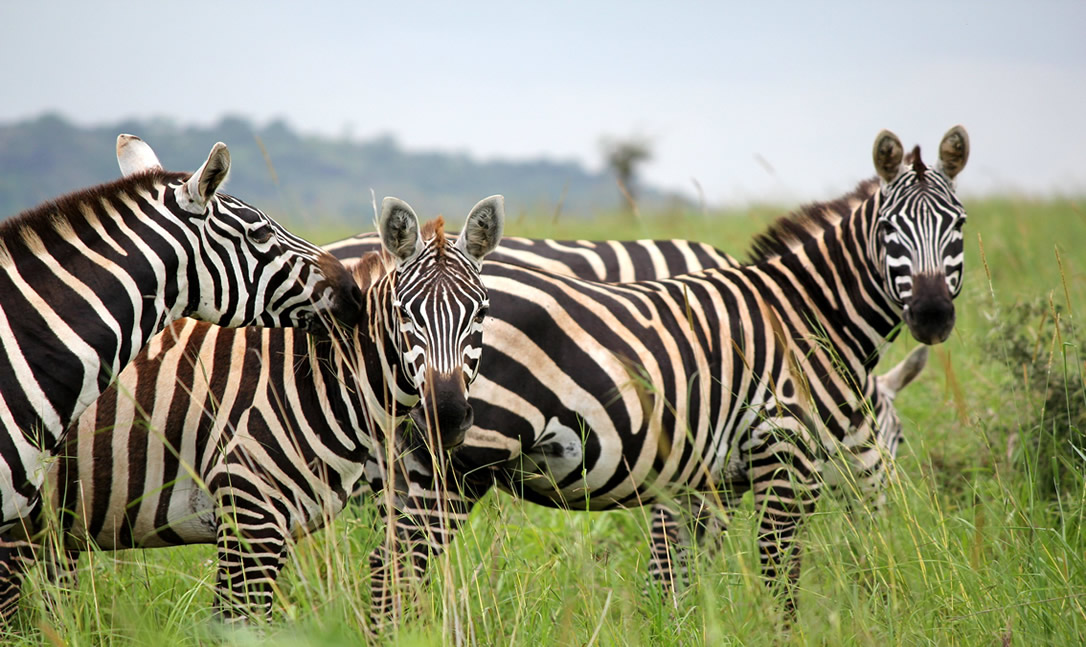
The only protected area in Uganda where you can find Burchell’s zebra is Lake Mburo. On the open savannah, you can often see big groups of them, which is a beautiful sight. The park is also home to large groups of impala, topi, eland (Africa’s largest antelope), warthog, buffalo, bushbuck, oribi, reedbuck, and klipspringer animal species. Leopards, hyenas, jackals, and the rare and hard to find serval cat are all predators. When the light is bright, the air is cool, and wildlife is most active, dawn and dusk are the best times to go on a game drive.
Boat Cruises on Lake Mburo
A guided boat cruise on Lake Mburo itself is one of the most magical experiences the park has to offer. Boats leave from the park’s dock and skim across water that is full of wildlife. This gives you a view of the environment that you can’t get from the land.
Hippos are the undoubted stars of the show the lake holds one of Uganda’s densest hippo populations, and pods of these semi-aquatic giant’s wallow, snort, and occasionally emerge from the water at remarkably close range. Nile crocodiles bask on the muddy banks, and African fish eagles cry from the treetops. There are waterbirds all over. African jacanas walk carefully across lily pads, malachite kingfishers dart over the water, and great white pelicans drift in stately groups. When the sun goes down, the water turns copper-gold and the sounds of the night start to stir. This is the best time for a trip.
Horseback Safari
Lake Mburo National Park holds the remarkable distinction of being one of the very few national parks in East Africa where visitors can explore the wilderness on horseback and it is an experience that is not easily forgotten. Offered through Mihingo Lodge, which maintains a well-trained string of horses suited to riders of all abilities, horseback safaris allow guests to move through the landscape in a way that feels both intimate and exhilarating.
Animals often let horses get much closer than they would a jeep because their smell doesn’t make them think of danger as much as a car does.
You can see zebras, impalas, and warthogs from very close, and since there is no engine noise, you can hear all the sounds of the grassland, like birds singing, baboons barking far away, and the crunch of hooves on dry grass. You can ride for an hour or all day, and one of the best parts of an African tour is cantering across an open ridge with Lake Mburo sparkling below.
Walking Safaris
For travellers who want to connect with the African bush at the most elemental level, a guided walking safari in Lake Mburo National Park is an unforgettable experience. Accompanied by an armed Uganda Wildlife Authority ranger and a knowledgeable guide, small groups set out on foot into the savannah, papyrus fringes, and woodland trails that make up the park’s interior.
Walking brings a richness of detail that is impossible to appreciate from inside a vehicle. Guides identify the tracks, droppings, and feeding signs of animals that have passed through hours before; point out the intricate architecture of termite mounds and the medicinal plants used by local communities; and explain the ecological relationships that underpin the savannah ecosystem. Encounters with zebra, giraffe, and buffalo on foot are breathtaking in their immediacy, and the sense of vulnerability that comes with walking among large wild animals gives the landscape a vivid, heightened reality.
Bird Watching
Lake Mburo National Park is a birdwatcher’s paradise, with over 350 recorded species making it one of the most bird-rich parks in Uganda relative to its size. The park’s diversity of habitats open savannah, acacia woodland, papyrus swamp, lakeshore, and rocky hillside supports an extraordinary range of bird families, and dedicated birding trips here are consistently rewarding.
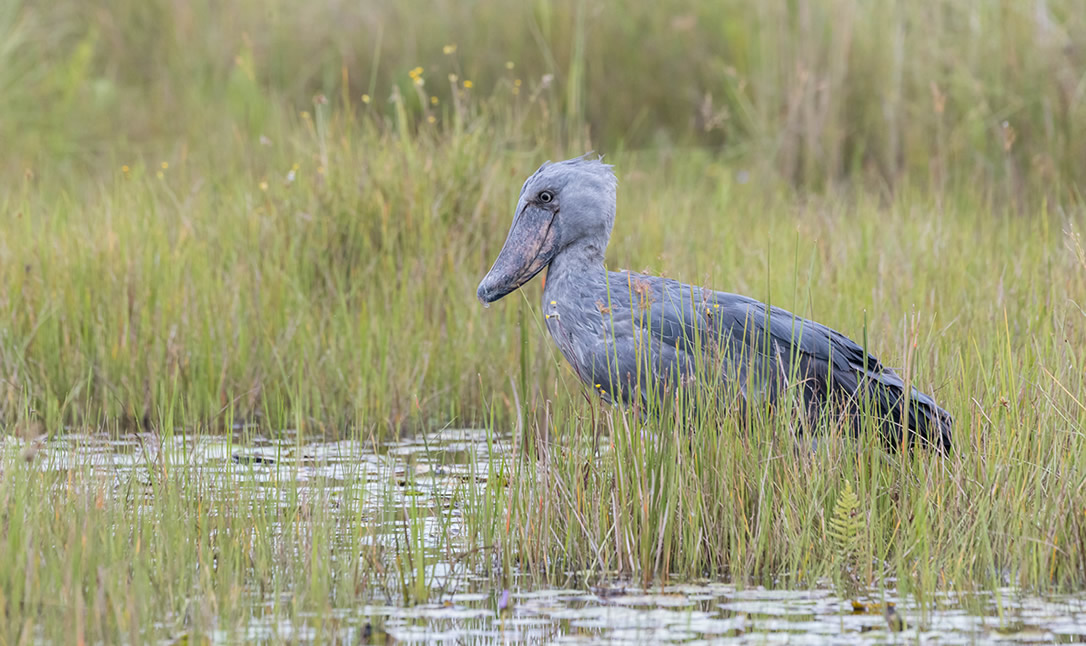
The shy and hard-to-find African finfoot, the handsome African broadbill, the red-faced barbet, which is only found in the Albertine Rift, and the rare shoebill stork, which can sometimes be seen in the swampy areas around Lake Kachera are some of the most-wanted species.
The park is also great for birds of prey. The martial eagle, the bateleur, and the long-crested eagle are all common sightings. The edges of the swamp are home to birds that are experts on papyrus, like the white-winged warbler and the papyrus yellow warbler. The acacia woods are home to a wide range of sunbirds, weavers, and starlings.
Mountain Biking
Another activity that sets Lake Mburo apart from most African national parks is the opportunity to explore on mountain bike. A network of designated cycling trails winds through the park’s savannah and woodland, and guided bike safaris typically accompanied by an armed ranger allow visitors to cover more ground than on foot while still maintaining the quiet intimacy of a non-motorised experience.
It is really exciting to ride a bike through the open grasslands of the park while watching groups of zebra’s graze in the distance and listening to the calls of hornbills in the sky. The terrain is mostly flat and easy for riders with normal fitness, but there are some hillier parts that are more difficult. Bikes can be hired through several of the lodges and camps inside or adjacent to the park, and morning rides, when temperatures are cool and wildlife is active, are particularly rewarding.
Night Game Drives
One of the great advantages of staying overnight within or adjacent to Lake Mburo National Park is access to night game drives, an experience that reveals an entirely different cast of wildlife characters. As darkness falls and the daytime animals retreat, a whole new world emerges one illuminated by spotlight and alive with sound.
Porcupines slink through the tangled plants, thick-tailed bush babies cling to acacia trees with wide eyes, leopards quietly walk across the open ground, and civets and genets come out to hunt along the edges of the forests. Hippos come out of the lake to feed loudly on the grasslands nearby, and at night, the calls of nightjars, owls, and tree frogs fill the air. Night drives provide an unforgettable conclusion to a day of daytime safari activities.
Cultural Encounters with the Banyankole and Basongora Pastoralists
The landscape around Lake Mburo National Park has been home for centuries to the Banyankole and Basongora peoples, cattle-herding communities whose long-horned Ankole cattle with their magnificent sweeping horns that can span more than two metres have become an iconic symbol of western Uganda. Cultural visits to local homesteads offer a genuine and enriching insight into the pastoral traditions that have shaped this landscape.
Visitors can meet local families, learn about the central role of cattle in Ankole culture and society, taste traditional foods including fermented milk and roasted meat, and watch or participate in traditional music and dance.
The Igongo Cultural Centre, located a short drive from the park near Mbarara, offers a more formal and comprehensive introduction to the history and material culture of the region, with well-curated exhibits, a traditional homestead reconstruction, and a restaurant serving authentic local cuisine. These cultural dimensions add enormous depth to any visit, connecting the wildlife experience to the living human stories of the landscape.
Practical Information for Visitors
Best time to visit:Lake Mburo can be visited year-round. The dry seasons (June–September and December–February) offer the best wildlife viewing as animals congregate around water sources. The wet season brings lush greenery and excellent birdwatching.
Getting there:The park is approximately three hours by road from Kampala, making it the closest national park to the capital. It sits directly on the Kampala–Mbarara highway, and both self-drive and guided transfers are straightforward to arrange.
Health and safety:Malaria prophylaxis is strongly recommended. Yellow fever vaccination is required for entry into Uganda. Visitors should always follow ranger instructions, particularly around hippos and buffalo, which are responsible for the majority of wildlife-related incidents in the park.
Lake Mburo National Park may lack the worldwide fame of the Serengeti or the Maasai Mara, but for those who seek it out, it delivers a safari experience that is richer, more personal, and more surprising than many visitors dare to hope. It is a park that rewards the curious and the unhurried one where the diversity of activities, the intimacy of the landscape, and the warmth of the people who call this region home combine to create memories that endure long after the journey home. Uganda’s hidden gem is waiting to be discovered.
Company
Gorilla Safaris Africa is one of the leading experts to trust while you are seeking for unforgettable and gorillas safaris with in Africa.
Features
Most Recent Posts
- All Post
- Combined Safaris
- East Africa
- Gorillas
- Luxury Safaris
- Primates Safaris
- Wildlife