
Ebola in Uganda 2026: Is It Still Safe to Trek Gorillas?
Ebola in Uganda 2026: Is It Still Safe to Trek Gorillas?: News travels fast and when it carries the word “Ebola,” it travels even faster. If you have a gorilla trek planned in Uganda and you are watching the headlines right now, you are asking the right questions. You deserve straight answers, not panic and not silence.
Here is exactly what is happening, what it means for your trip, and what you need to do before you board that plane.
What Is Actually Happening Right Now (May 2026)
On 16 May 2026, the World Health Organization declared a Public Health Emergency of International Concern (PHEIC) its second-highest alert level following a confirmed Ebola outbreak in the Ituri Province of the Democratic Republic of Congo (DRC). The virus strain driving this outbreak is Bundibugyo virus disease (BVD), one of four Ebola strains that can infect humans.
The DRC sits at the center of this outbreak. As of 16–17 May 2026, the country has recorded over 336 suspected cases and approximately 88 deaths, all concentrated in the northeastern Ituri Province.
Uganda has recorded two laboratory-confirmed cases both in Kampala, both in individuals who had recently traveled from the DRC. One of those individuals has since died; health authorities isolated the other and are providing medical care. Contact tracing started immediately.
This is not a nationwide Ugandan outbreak. Two imported cases, both linked to travel from the DRC’s active zone. That distinction matters enormously when you assess your actual risk as a visitor.
About the Bundibugyo Strain
Scientists first identified the Bundibugyo strain in Uganda’s Bundibugyo District in 2007. It carries a historical case fatality rate of 25% to 50% serious, though lower than the deadlier Zaire strain circulating in the DRC. No licensed vaccine or approved antiviral treatment exists for this specific strain yet. Doctors rely on early supportive care fluids, electrolytes, and oxygen as the most effective intervention.
How Ebola Spreads and How It Does Not
This is the single most important thing for travellers to understand: Ebola is not airborne.
The virus does not spread through casual contact, shared air, mosquito bites, or sitting in the same room as an infected person. It spreads through direct contact with the bodily fluids of someone already showing symptoms blood, vomit, saliva, urine, semen, or sweat. Contaminated surfaces, such as unwashed bedding or clothing used by a sick person, also carry the risk.
Historically, the groups most affected in outbreaks are healthcare workers treating patients without adequate protective equipment, and family members providing close care or handling bodies during burial. These are the real transmission environments.
As a tourist moving through Uganda’s national parks, lodges, and wildlife corridors, you occupy a completely different risk profile from the populations counted in outbreak statistics. You are not in a field clinic in Ituri. You are not preparing a body for burial.
The Situation in Uganda’s Tourism Regions
Ebola in Uganda 2026: Is It Still Safe to Trek Gorillas? Uganda’s gorilla trekking heartland Bwindi Impenetrable National Park and Mgahinga Gorilla National Park sits in the southwestern corner of the country, in the mist-covered Kigezi highlands near the Rwandan border.
These parks are more than 600 kilometres from Ituri Province, where the outbreak is concentrated. They share no travel corridor, no population movement, and no geographic proximity with the affected zone.
Kampala, where Uganda’s two confirmed cases emerged, is the country’s capital and primary transit hub. Authorities detected both cases quickly, isolated the patients, and activated contact tracing with practiced efficiency. Uganda’s Ministry of Health has built and refined these systems over decades.
Uganda has contained Ebola eight times since the virus first appeared on the continent. The country’s public health infrastructure mobile laboratories, Emergency Operations Centres, trained rapid response teams is among the most capable on the African continent. Uganda knows how to manage this threat. Its record proves it.
Is Gorilla Trekking Still Safe?
Ebola in Uganda 2026: Is It Still Safe to Trek Gorillas? Yes. Gorilla trekking in Uganda is completely safe and fully functioning.
The Uganda Wildlife Authority (UWA) has not suspended any trekking activities, and no travel advisory currently restricts movement to Bwindi or Mgahinga. Here is what you need to know before you set foot on the trail:
Health screenings are in place. Park entry points and major border crossings now run temperature checks and symptom assessments. Anyone presenting with Ebola-like symptoms fever, severe headache, vomiting, or unexplained bleeding faces assessment before entering any wildlife area.
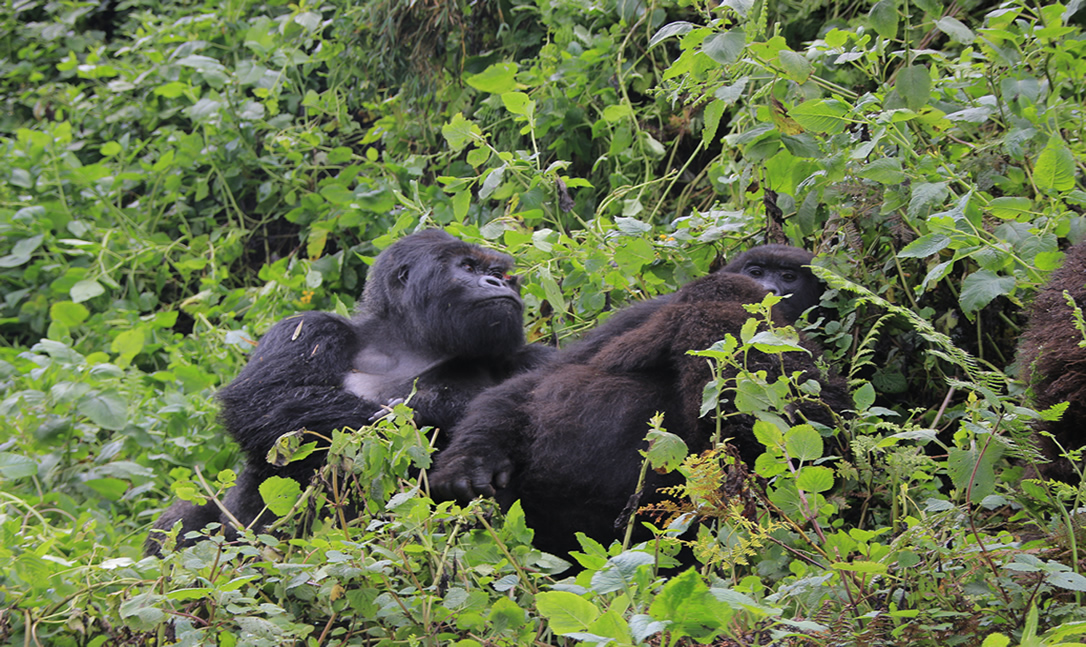
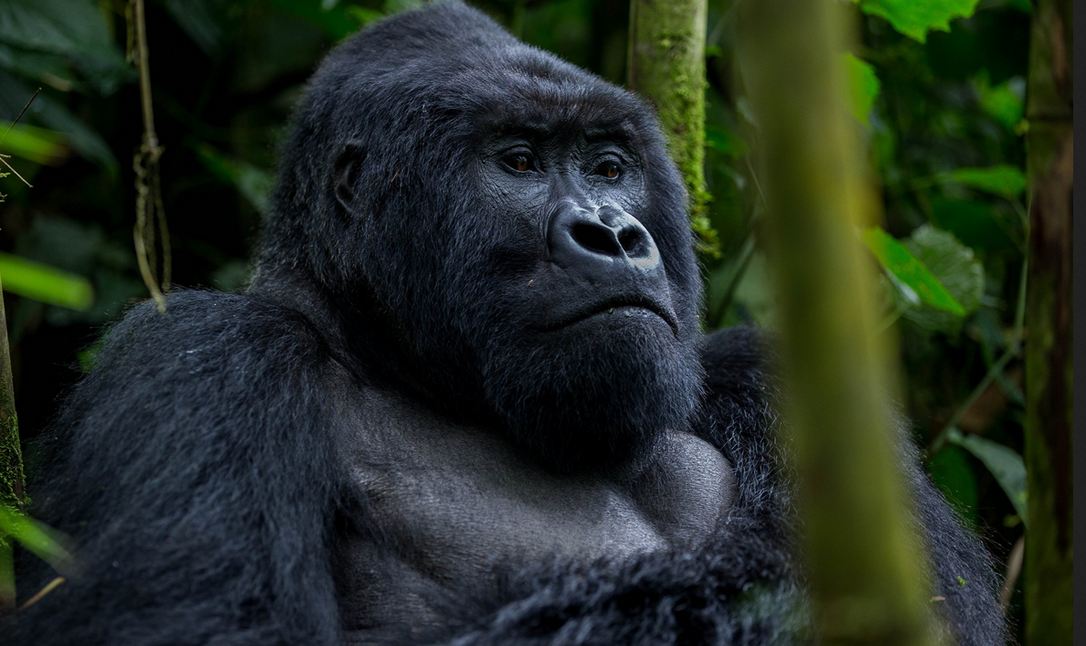
The 10-metre rule with gorillas stands. UWA’s longstanding regulation requires visitors to maintain at least 10 metres from mountain gorillasat all times. This rule, originally designed to protect gorillas from human respiratory diseases, also functions as a meaningful buffer against any pathogen transmission.
Do not trek if you feel unwell. This rule always applies in these forests. It applies more firmly now. Fever, flu-like symptoms, or any unexplained weakness within three weeks of visiting an affected region means you stay off the trail. Tell your guide and lodge management immediately.
Gorilla familiesreceive ongoing health monitoring. UWA veterinary teams conduct regular health assessments of all habituated gorilla groups. If any family shows signs of illness, UWA has both the authority and the established practice to suspend visits to that specific group a measure they applied successfully during COVID-19 and previous health alerts.
What the Travel Advisories Say
The CDC has issued:
- Level 2 alert for the DRC Practice Enhanced Precautions
- Level 1 alert for Uganda Practice Usual Precautions
A Level 1 advisory is the lowest tier of travel health notice. It asks travellers to follow standard precautions not to avoid the destination. Dozens of countries carry this same baseline advisory at any given moment.
As of publication, neither the UK Foreign, Commonwealth & Development Office nor European travel authorities have directed citizens to cancel planned Uganda safaris. Monitor your government’s official travel advisory page within 48–72 hours of departure, as guidance can shift rapidly during an active PHEIC.
Practical Steps for Travellers
Ebola in Uganda 2026: Is It Still Safe to Trek Gorillas? here are practical steps that travellers can follow.
Before You Travel
- Check your government’s official travel advisory (CDC, FCDO, or equivalent) within 48–72 hours of departure.
- Confirm your travel insurance covers medical evacuation. On any African safari, this is non-negotiable. Read the fine print evacuation policies vary widely.
- Avoid all travel to Ituri Province in the DRC or any area WHO lists as an active outbreak zone.
- Pack hand sanitiser with at least 60% alcohol content and a personal thermometer.
At the Border and In-Country
- We advise to work hand in hand well with any health screening at Entebbe International Airport or land border crossings. Please note that temperature checking is also in progress.
- Make sure you always endeavor to wash your thoroughly well, especially before meals and after wildlife encounters.
- Avoid bushmeat a known Ebola transmission risk, particularly in forested regions.
- Do not visit health facilities unless you face an emergency.
On Safari and During Your Trek
- Follow all UWA ranger instructions without exception.
- Maintain the 10-metre distance from gorillas and all wildlife.
- Stay off the trail if you have a fever, sore throat, unexplained weakness, or any bleeding. Tell your guide immediately and seek medical advice.
- Save your guide’s and tour operator’s emergency contact numbers before you leave camp.
After You Return Home
Monitor your health for 21 days after returning the maximum known incubation period for Ebola. If you develop a fever, severe headache, vomiting, or any unexplained symptoms within that window, contact your local health authority immediately. Do not wait.
Frequently Asked Questions
Is it safe to go gorilla trekking during the Ebola outbreak in the DRC? Yes, as of May 2026. Both Rwanda and Uganda sit hundreds of kilometres from Ituri Province in the DRC, where the outbreak is active. Rwanda’s Volcanoes National Park, Uganda’s Mgahinga Gorilla National Park, and Bwindi Impenetrable National Park are all open and fully operational.
Is Bwindi Impenetrable National Park still open? Yes. As of 19 May 2026, Bwindi is fully open. The Uganda Wildlife Authority has imposed no restrictions on trekking. The park and surrounding region remain Ebola-free, and visitors continue to trek the mountain gorillas.
Can I still go gorilla trekking in Uganda in 2026? Yes. Trekking continues normally at both Bwindiand Mgahinga. The affected area in the DRC sits more than 600 kilometres from these parks. The two confirmed cases in Uganda both appear in Kampala, with no spread to wildlife tourism regions.
Is the Ebola outbreak near gorilla trekking areas in Uganda or Rwanda? No. The outbreak epicentre is in northeastern DRC’s Ituri Province. Gorilla trekking destinations in Uganda and Rwanda lie more than 600 kilometres away, with no shared travel corridor or population movement between the two zones.
What is the Bundibugyo strain of Ebola? It is one of four Ebola strains that infect humans. The Bundibugyo strain carries no licensed vaccine or approved treatment as of 2026. Like all Ebola strains, it spreads through direct contact with bodily fluids not through the air or casual contact. It does not spread more readily than other strains.
How far is Rwanda’s Volcanoes National Park from the DRC outbreak? The outbreak sits in northeastern DRC’s Ituri Province. Volcanoes National Park sits in northwestern Rwanda, near the Ugandan border several hundred kilometres away, with no common population corridor connecting the two. The outbreak has no bearing on gorilla trekking in Rwanda.
A Note on Perspective
Uganda welcomed over 1.8 million international visitors in recent years. Its gorilla families in Bwindi rank among the most habituated and well-protected wildlife populations in Africa. The park rangers and naturalists who work these forests represent some of the most professional teams on the continent.
Two imported cases in a capital city, both traced to a neighboring country’s active zone, do not change any of that.
Cancelling a Uganda safari right now would be like cancelling a trip to Paris because of a disease cluster in Warsaw. The geography, the exposure risk, and the institutional response all tell the same story: the tourism regions are unaffected.
That said, this situation is evolving. The international community is actively monitoring, coordinating resources, and maintaining a PHEIC designation. If the DRC continues to report new cases or the situation escalates, advisories will update accordingly. Follow WHO’s official disease outbreak news and your own government’s travel guidance for the most current picture.
Uganda Is Open
The mountain gorillas are still here. Bwindi’s ancient forest still stretches across those mist-covered hillsides. The Big Five still roam Queen Elizabeth National Park. The chimpanzees of Kibale still call through the trees at dawn.
What has changed is that you need to travel with better information in your kit. You now have it. Prepare properly, stay connected to the latest advisories, and come experience one of the most extraordinary wildlife encounters on earth.
If you have questions about your specific itinerary, permit status, or any changes to planned activities, reach out to the team at Gorilla Safaris Africa. Find us at www.gorillasafarisafrica.com, email us at info@gorillasafarisafrica.com, or call and WhatsApp us at +256 701 819 223.
We are on the ground. We monitor developments in real time. And we give you accurate, honest guidance the kind that gets you home safely with memories worth keeping.
Company
Gorilla Safaris Africa is one of the leading experts to trust while you are seeking for unforgettable and gorillas safaris with in Africa.
Features
Most Recent Posts
- All Post
- Combined Safaris
- East Africa
- Gorillas
- Luxury Safaris
- Primates Safaris
- Wildlife