
Rules and Guidelines for Gorilla Trekking Visitors
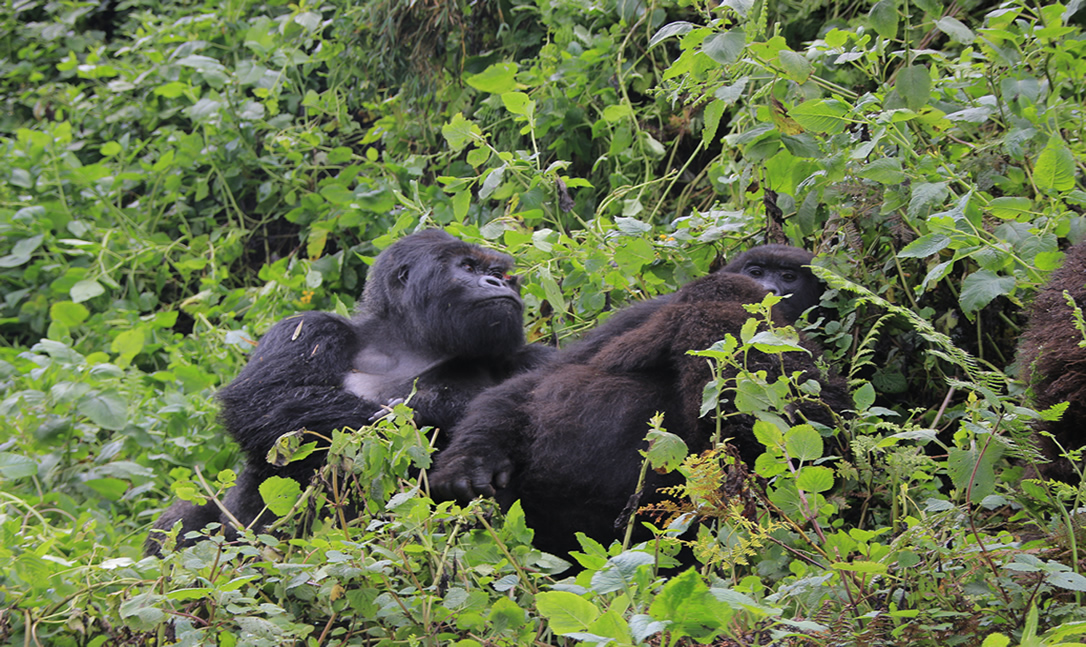
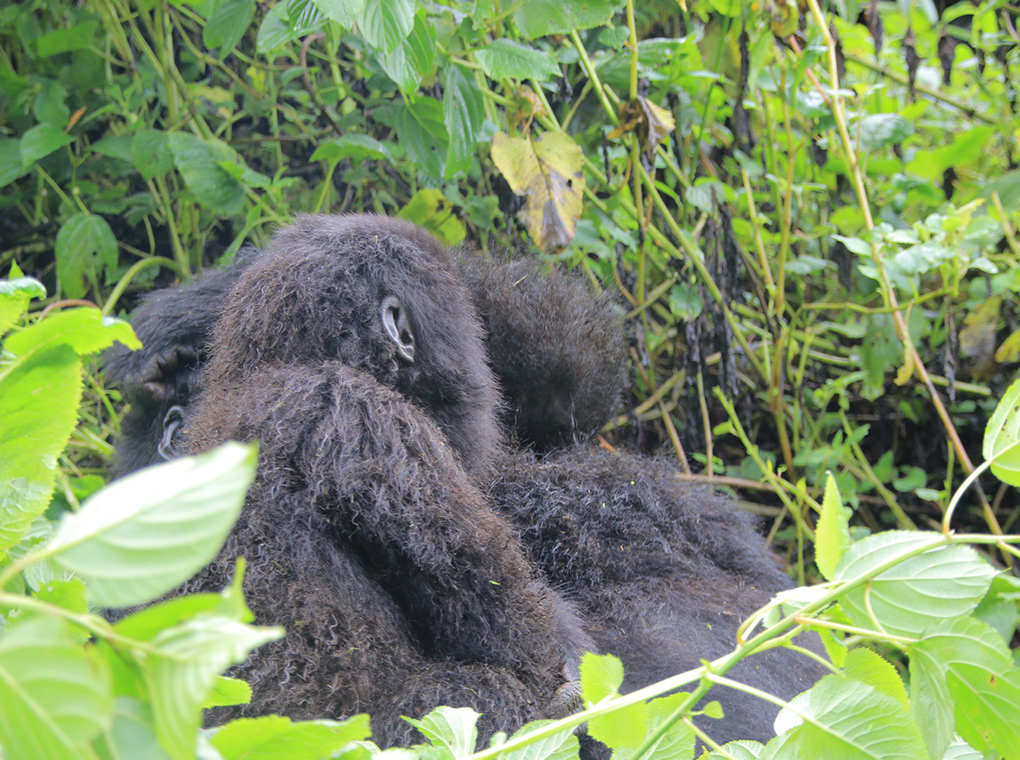
Rules and Guidelines for Gorilla Trekking Visitors:Standing in a misty mountain forest, just a few meters from a silverback gorilla calmly watching you with ancient, knowing eyes it is, without question, one of the most profound wildlife encounters on Earth.
But this privilege does not come without responsibility. Gorilla trekking in Uganda, Rwanda, and the Democratic Republic of Congo is one of the most strictly regulated wildlife experiences in the world, and for good reason.
Every guideline exists to protect an endangered species, preserve fragile ecosystems, and ensure that this extraordinary encounter remains possible for generations to come.
Whether you are planning your first gorilla trek or looking to refresh your knowledge before returning to the forest, understanding the rules and guidelines for gorilla trekking visitors is not just recommended it is absolutely mandatory. Here is everything you need to know.
Why the Rules Exist: Understanding the Stakes
Mountain gorillas are among the rarest great apes on the planet. For decades, their numbers hovered dangerously close to extinction, falling to fewer than 300 individuals in the 1980s.
Thanks to sustained conservation efforts, community involvement, and responsible tourism, that number has now grown to just over 1,000 individuals. Yet they remain critically endangered, and the threat has never fully disappeared.
Gorillas share approximately 98% of their DNA with humans, which means they are highly vulnerable to the same diseases we carry even those as common as a cold or a cough. A single respiratory infection introduced by a tourist can sweep through an entire gorilla family, with potentially fatal consequences. Beyond disease, the stress caused by noise, sudden movements, and intrusive human behaviour can disrupt their feeding patterns, social bonds, and reproductive cycles.
The rules governing gorilla trekking were developed in close collaboration between wildlife conservation authorities Uganda Wildlife Authority (UWA), Rwanda Development Board (RDB), and the Institut Congolais pour la Conservation de la Nature (ICCN) and are enforced rigorously in the field by trained park rangers and guides. They are not optional. They are the foundation upon which sustainable gorilla tourism stands.
Permit Requirements: Before You Even Set Foot in the Forest
Every visitor wishing to trek mountain gorillas must have obtained valid gorilla trekking permit. This is a non-negotiable requirement without exception.
Permits are issued on a per-person, per-trek basis and are strictly non-transferable. You must present your permit alongside a valid passport or national identity card at park headquarters before your trek begins. International visitors should ensure their passport carries a validity of at least six months beyond the trekking date.
Permit prices vary by country. As of 2025–2026, Rwanda charges approximately $1,500 USD per person for Volcanoes National Park, Uganda charges around $800 USD per person for Bwindi Impenetrable Forest and Mgahinga Gorilla National Park, and the Democratic Republic of Congo. The permit charges roughly $ 400 for foreign non residents in Congo.
Rwanda also maintains a capped daily limit of 96 permits, which means early booking sometimes months in advance is strongly advised, particularly for peak dry-season travel between June and September or December and February.
Permits for citizens and East African residents are available at reduced rates, and proof of residency or nationality will be requested at the time of booking and at the park gate.
Age Requirements: Who Can Trek
The minimum age for gorilla trekking is 15 years, and this rule is applied without exception across Uganda, Rwanda, and the Democratic Republic of Congo. Children below this age are simply not permitted to participate, regardless of parental consent or physical ability.
The reasoning behind this policy is layered. Young children are more likely to carry viral infections such as chickenpox, mumps, and influenza diseases that can be devastating to gorillas. They may also react unpredictably in the forest: crying, screaming, or making sudden movements that could alarm or agitate the gorilla group. Uganda applies this rule with very rare discretion toward a mature 14-year-old who is about to turn 15, though this remains an exception rather than a standard.
All participants must present their official identification typically a passport at registration to confirm they meet the age requirement before the trek proceeds.
Health Regulations: Protecting Gorillas from Human Disease
Rules and Guidelines for Gorilla Trekking Visitors: Gorilla trekking rules place health at the center of every interaction between humans and gorillas, and for very good reason. Because of their genetic similarity to humans, gorillas have limited immunity against many of the diseases people transmit casually every day.
If you are sick, you must not trek. Anyone showing symptoms of a contagious illness including fever, persistent cough, cold, flu, diarrhea, or any other respiratory condition will be denied access to the gorilla family. Rangers and guides conduct health assessments before the trek begins, and they are authorized to turn any visitor away if they appear unwell.
This is not a rule to find workarounds for. If you feel even mildly ill on the morning of your trek, the ethical and responsible decision is to stay behind. Most permit policies offer an alternative trekking date or a refund in cases of health-related withdrawals, so do not hesitate to speak with park authorities.
All visitors are required to sanitize their hands thoroughly before entering gorilla habitats. Face masks may also be required, particularly when visitors are in close proximity to the gorillas or during periods of elevated respiratory illness concern. If you need to sneeze or cough during the encounter, turn immediately away from the gorillas, cover your nose and mouth, and move as far from the group as safely possible. Even seemingly minor precautions make a meaningful difference.
Group Size and Time Limits: Minimizing Human Impact
To minimize the stress placed on each gorilla family, only eight visitors are permitted to visit a single gorilla group per day. This small group limit is carefully designed to reduce noise, limit disease exposure, and maintain a calm, non-intrusive atmosphere in the gorillas’ home territory.
Once the gorilla family is located, visitors are allowed a maximum of one hour in their presence. This is strictly enforced by rangers on the ground. If the gorillas show signs of stress, agitation, or discomfort before the hour is complete, the guide may end the visit early to prioritize their wellbeing and this decision must be respected without question.
For those seeking a longer experience, gorilla habituation visits where you spend time with semi-habituated gorilla groups still acclimatizing to human presence allow up to four hours of observation. These experiences are available in Uganda and come with their own specific set of guidelines.
Behavioural Guidelines: How to Conduct Yourself in the Forest
Rules and Guidelines for Gorilla Trekking Visitors:Gorillas are wild animals. They are not performers, and the forest is not a stage. From the moment you enter the park until the moment you leave; your behaviour must reflect a deep respect for both the animals and their environment.
Keep your voice low at all times. Loud conversations, shouting, or any sudden raised voices are strictly prohibited. Speak only when necessary, and keep it to a whisper. The forest has its own language allow it to be heard.
Move slowly and deliberately. Abrupt, jerky movements can startle gorillas and trigger defensive responses, particularly from the silverback male who leads the group. Walk calmly, avoid unnecessary gestures, and always follow your guide’s lead on pacing.
Maintain a minimum distance of 7 meters (approximately 23 feet) from the gorillas at all times. This rule applies even when a gorilla chooses to approach you. If a gorilla comes closer, do not move toward it — stand still, crouch slowly if instructed, and avoid direct eye contact, which gorillas can perceive as a sign of aggression or challenge.
Do not touch the gorillas under any circumstances. No matter how close they come or how curious they appear, physical contact is absolutely forbidden. This protects both you and them.
Do not eat, drink, smoke, or chew gum during the gorilla encounter. Food and drink can harbor bacteria and viruses that are harmful to gorillas. Smoke is particularly agitating to them. These activities are prohibited from the moment you reach the gorillas until you have moved at least 200 meters away.
Avoid direct eye contact. Sustained eye contact with gorillas, especially the silverback, can be interpreted as a threat or challenge. Keep your gaze respectful and indirect.
If a gorilla charges which is rare but possible do not run. Follow your guide’s instructions immediately. Crouch down, look away, and remain as still and unthreatening as possible. Running can trigger pursuit instincts and escalate a bluff charge into something more serious.
Photography and Technology Rules
Photography is permitted during gorilla treks, and capturing these moments is one of the most rewarding aspects of the experience. However, it must be done responsibly.
Flash photography is strictly prohibited. The sudden burst of artificial light is highly disorienting and frightening to gorillas. Ensure your camera’s flash is fully disabled before you enter the forest — rangers will check and will instruct you to power down any device using flash during the encounter.
Tripods, selfie sticks, and drone equipment are not permitted in gorilla trekking areas. These items create unpredictable movement and noise that can unsettle the animals.
Wait for your guide to give the signal before raising your camera or phone. Approaching with camera in hand before the guide’s instruction can disrupt both the experience and the gorillas’ calm.
Environmental Responsibility: Leaving No Trace
Your responsibility as a gorilla trekking visitor extends far beyond your behaviour around the gorillas themselves. The ecosystem that sustains these animals is delicate and irreplaceable.
Stick strictly to designated trails. Straying off-path contributes to soil erosion, disturbs understory vegetation, and can damage the very habitat the gorillas depend on for food and shelter. Do not pick plants, remove bark, or disturb any other wildlife you may encounter along the way.
Carry out everything you bring into the forest food wrappers, water bottles, snack packaging, and any other waste. Foreign materials can introduce contaminants to the environment and pose a threat to wildlife. If you need to use the bathroom in the forest, inform your guide, who will prepare a suitable hole. Cover it when you are done.
Consequences for Violations
Gorilla trekking rules are enforced with authority. Visitors who violate guidelines approaching too close, attempting to touch the gorillas, using flash photography, trekking while ill, or bribing or attempting to mislead guides may be removed from the trek immediately without refund.
Depending on the severity of the violation, fines or legal prosecution may follow. Tour operators or guides who facilitate violations risk losing their permits entirely.These consequences exist not as punishment, but as a deterrent. The stakes are too high, and the animals too irreplaceable, for leniency.
Conclusion
gorilla trekking permit purchased contributes directly to conservation. The revenue generated funds anti-poaching patrols, habitat restoration, ranger salaries, and community development programs in the villages surrounding gorilla parks. When you trek responsibly, you are not just a visitor — you are an active participant in one of the most successful conservation stories of the modern era.
The mountain gorilla came back from the edge of extinction because people cared enough to act. By following every rules and guideline s for gorilla trekking visitors,outlined here. you are honoring theeffort as well as protectingthese magnificent animals, and ensure that the forest keeps its most extraordinary residents for every traveler who comes after you.
Company
Gorilla Safaris Africa is one of the leading experts to trust while you are seeking for unforgettable and gorillas safaris with in Africa.
Features
Most Recent Posts
- All Post
- Combined Safaris
- East Africa
- Gorillas
- Luxury Safaris
- Primates Safaris
- Wildlife