
The Safari Anti-Bucket List: 8 Things to Avoid in Africa & What to Do Instead
The Safari Anti-Bucket List: 8 Things to Avoid in Africa & What to Do Instead: Africa is not a destination. It is an experience that rewires you one that has a way of making everything you thought you knew about the natural world feel suddenly, irreversibly small.
For decades, the continent has drawn travelers chasing the iconic: the wildebeest stampede across the Mara, the pink flamingo floods of Lake Nakuru, the lone acacia silhouetted at dusk in the Serengeti. These images have shaped a collective imagination of what an African safari should look like, and therein lies the problem.
The modern safari industry, like all tourism, has its traps experiences that look extraordinary in a brochure but disappoint in reality, or worse, ones that cause harm to the very ecosystems and communities they claim to celebrate.
The Safari Anti-Bucket List: 8 Things to Avoid in Africa & What to Do Instead.The well-travelled are learning to look beyond the highlights reel, trading performative tourism for something richer and more considered.
Avoid: The Overcrowded Big Five Tick-Box Safari
There is a particular kind of safari that reduces one of the most complex ecosystems on Earth to a checklist. You arrive, you spot the lion, you photograph it alongside eleven other Land Cruisers, you move on. The Big Five such as lion, leopard, elephant, rhino, and buffalo were originally named for the difficulty of hunting them on foot, not their ecological significance.
Yet they have become the organizing logic of countless itineraries, leaving travelers with crowded sightings and a missed education in everything else.
Do this instead: Choose a specialist guide or a private conservancy that emphasizes ecology over spectacle. some of the places to look for include the Laikipia Plateau that offer exceptional wildlife diversity including wild dog and reticulated giraffe. Masai Mara. Guides who can identify a dung beetle’s role in the food chain, read termite mounds as weather stations, or track predator spoor on foot offer something no amount of lion photographs can replicate: genuine understanding.
Avoid: Visiting Lion, Cheetah, or Elephant Interaction Facilities
Across southern and East Africa, a category of tourist attraction markets itself under the language of conservation: “lion walks,” “cheetah encounters,” “elephant-back safaris,” and orphanage volunteering programs. The appeal is obvious the proximity is thrilling, the photographs are extraordinary. The reality is considerably darker.
Big cats used for walking experiences are almost invariably bred in captivity and, once too large for safe interaction, are transferred to canned hunting operations.
Elephants used for rides are broken through a process known as phajaan a training method involving prolonged restraint, pain, and psychological stress. Many so-called orphanages allow paying visitors to handle cubs that are neither orphaned nor destined for release.
Do this instead: Support operations accredited by the Pan African Sanctuary Alliance (PASA) or those vetted by organizations such as World Animal Protection. In Kenya, the David Sheldrick Wildlife Trust offers genuinely conservation-focused elephant rehabilitation.
In South Africa, Hoedspruit Endangered Species Centre works with legitimate rehabilitation. The measure of a credible facility is simple: if you can hold, ride, or walk with the animal, the encounter is almost certainly not in the animal’s interest.
Avoid: Booking a Safari Without Researching Community Benefit
The tourism dollar is extraordinarily powerful in Africa and extraordinarily easy to spend in ways that enrich international operators while bypassing local communities entirely. A significant proportion of the revenue generated by high-end safari lodges in remote areas historically flowed back to foreign owners, leaving the communities surrounding national parks with little economic incentive to value conservation over poaching or land conversion.
Do this instead: Seek out community conservancies and lodges with transparent benefit-sharing models for example in countries like Namibia and Kenya. There are plenty of communal conservancy models that support tourism growth together with community members. Additionally some support health and education programs with in the society
Avoid: Going During Peak Season Without Considering Alternatives
July to October in the Masai Mara. Peak season at Kruger. New Year’s week in the Okavango.
These are the dates that fill first, cost most, and deliver, in many cases, a degraded experience ,game drives interrupted by convoys of vehicles, lodges stretched to capacity, and prices calibrated for demand rather than value.
Do this instead: Consider the shoulder and green seasons with clear eyes. The so-called “long rains” in East Africa (April to June) transform the landscape into something extraordinary the grass runs long and luminously green, newborns appear everywhere, and migratory birds arrive in staggering numbers. Botswana’s Okavango in early season is a different and arguably more intimate experience than its peak-flood counterpart.
Costs drop significantly, and the quality of the guiding experience improves when guides are not managing expectations across a dozen vehicles. Not every park has a “bad” season only different ones.
Avoid: Buying Wildlife Products or “Ethical” Souvenirs Without Scrutiny
Airport markets and roadside stalls across the continent sell products made from ivory, tortoiseshell, coral, exotic skins, and bones often labeled as antique, legal, or ethically sourced. The global illegal wildlife trade is worth an estimated $23 billion annually, and tourism demand is one of its most significant drivers. Even products that appear legal may violate the regulations of your home country upon return.
Beyond outright illegal goods, the “ethical” label is applied with minimal regulation to a range of products including sustainably harvested timber, recycled bone, and community-made crafts. The latter genuinely deserve support; the former requires skepticism.
Do this instead: Purchase crafts directly from community cooperatives and artisan markets with verifiable provenance. Organizations such as the Ethical Elephant and Fair Trade Africa maintain lists of vetted artisan networks. When in doubt, the rule is straightforward: if it comes from an animal, do not buy it unless you have documentation you are prepared to show customs on your return journey and even then, reconsider.
Avoid: Treating Safari as a Passive, Vehicle-Only Experience
The conventional safari is conducted entirely from a vehicle. You rise before dawn, you drive for several hours, you return to camp for breakfast, you rest through the midday heat, and you go out again in the late afternoon. It is a rhythm that works but it also produces a particular kind of tourist who is entirely insulated from the landscape they have traveled to experience.
Do this instead: Request walking safaris, night drives, boat safaris, or mokoro (dugout canoe) excursions wherever available and ecologically appropriate. A walking safari in Zambia’s South Luangwa along considered the birthplace of the walking safari as a commercial experience.
It delivers the kind of sensory immersion no vehicle can replicate: the smell of elephant dung, the sound of grass underfoot, the abrupt, full-body awareness of being part of the food chain rather than an observer of it. Night drives reveal a parallel ecosystem of creatures like the civets, genets, bushbabies, and aardvarks that most guests never encounter. The landscape is not a backdrop; it is the experience.
Avoid: Visiting Gorillas Without Ethical Permit Research
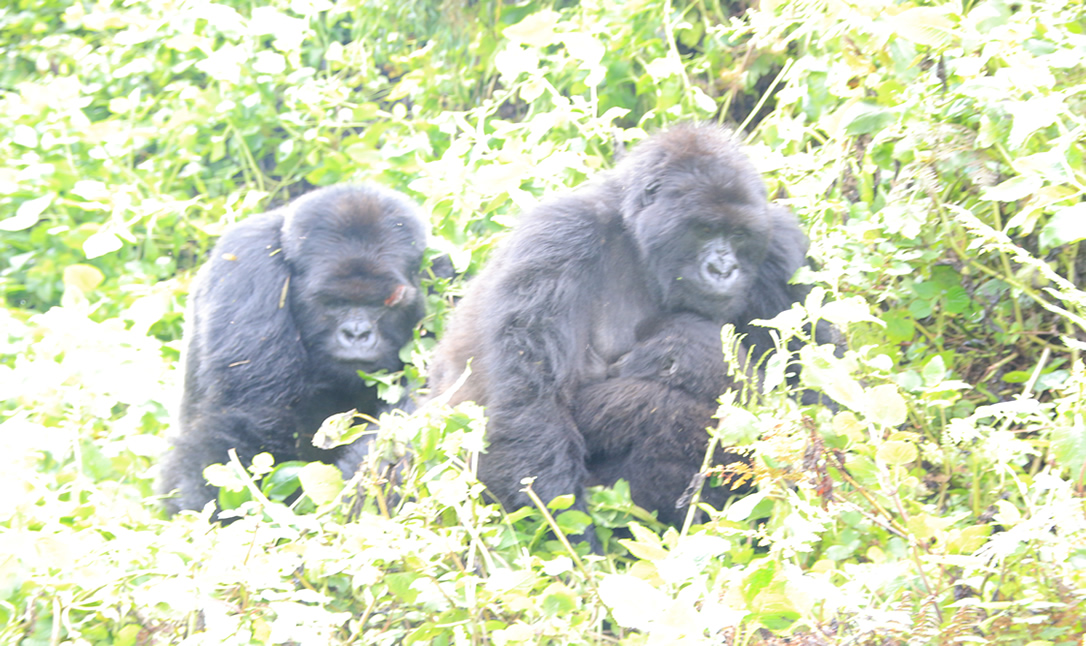
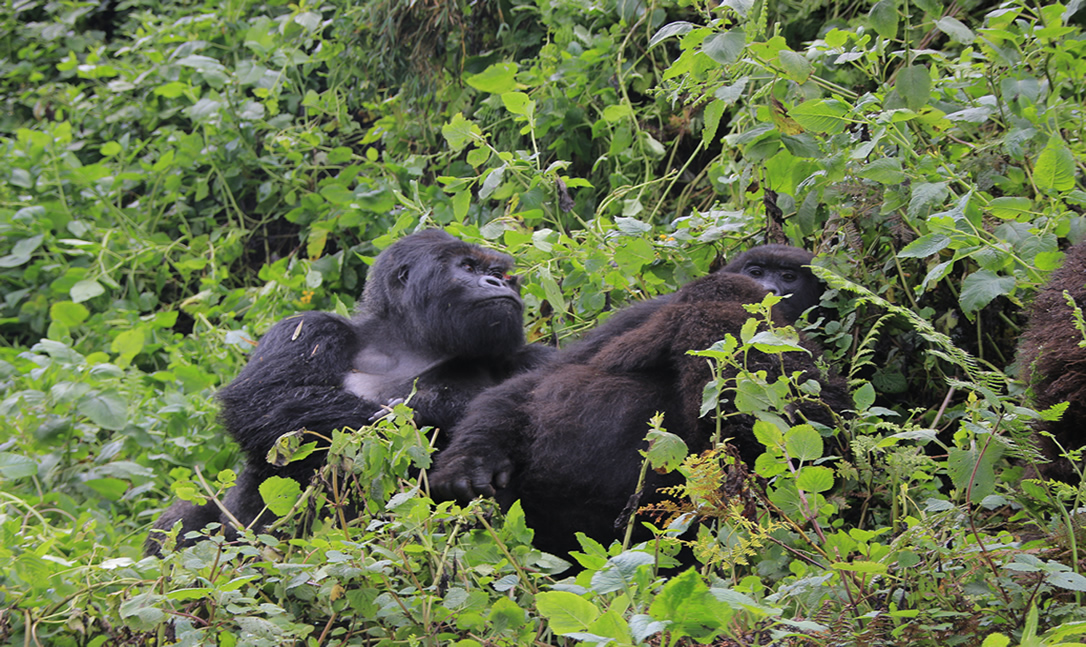
Mountain gorilla trekking in Uganda, Rwanda, and the Democratic Republic of Congo is among the most extraordinary wildlife experiences available anywhere in the world. It is also among the most heavily regulated and for good reason.
Gorillas share approximately 98% of human DNA and are highly susceptible to human respiratory infections. A common cold can be fatal in a habituated group, and the consequences of poorly managed tourism extend to entire family units.
Permit regulations, group size limits, and minimum distances exist not as bureaucratic obstacles but as survival conditions. Yet operators willing to skirt these rules for commercial advantage do exist.
Do this instead: Book gorilla permits only through authorized tour operators such as gorilla safaris africa. Verify that your operator enforces the one-hour visit limit, the seven-meter minimum distance rule, and the requirement to wear a mask. In Rwanda, Volcanoes National Park has developed one of the most rigorous habituation programs in the world, and the premium permit prices among the highest for any single wildlife experience globally feed directly into conservation and community development. The price is worth it; circumventing the system is not.
- Avoid: Leaving Without Understanding What You Witnessed
Perhaps the most pervasive failure of the conventional safari is the one that is hardest to legislate against: leaving without comprehension. Travelers return home with hard drives full of images and a fading emotional residue, but without the conceptual framework to understand what they witnessed or why it matters. The predator-prey relationship, the role of fire in savanna ecology, the politics of land use surrounding national parks, the demographic pressures facing conservation in a rapidly urbanizing continent these are the stories that transform a holiday into a perspective shift.
Do this instead: we recommend you to do vast research upon particular items. Ask your guide questions that go beyond the animals. Understand who owns the land, who manages the park, what the chief threat to this ecosystem is in the next decade. The bush is not a museum exhibit. It is an active, contested, politically charged landscape and engaging with it as such is the most respectful thing a visitor can do.
final thoughts
Africa rewards the traveler who arrives with curiosity rather than expectation. The continent is not static, and neither is the safari industry that has grown up around it. There are operators doing extraordinary work protecting vast landscapes, lifting communities, restoring wildlife populations that fifty years ago seemed beyond saving. There are also operators doing the opposite.
The distinction lies almost entirely in the choices travelers make before they arrive. Research your operator. Question your itinerary. Pay the premium for the permit. Hire the local guide. And resist, above all, the temptation to reduce one of the world’s most complex places to a set of images you already knew before you left.
The Africa worth finding is the one that surprises you.
Company
Gorilla Safaris Africa is one of the leading experts to trust while you are seeking for unforgettable and gorillas safaris with in Africa.
Features
Most Recent Posts
- All Post
- Combined Safaris
- East Africa
- Gorillas
- Luxury Safaris
- Primates Safaris
- Wildlife