
Bwindi Forest and Safaris
Bwindi Forest and safaris: Bwindi Impenetrable National Park is a beautiful place with a lot of mountain gorillas. These gentle apes and friendly animals aren’t the only things to do and see when you choose to visit Bwindi Forest. In Bwindi National park, you can see black-and-white colobus monkeys, graceful L’Hoest’s monkeys, and playful chimpanzees. You can see all of these animals on guided hikes along the park’s quiet paths. Visitors will see many different animals, be amazed by the beautiful scenery, and learn about the interesting cultural traditions of the people who live there.
Experinece Gorilla Trekking
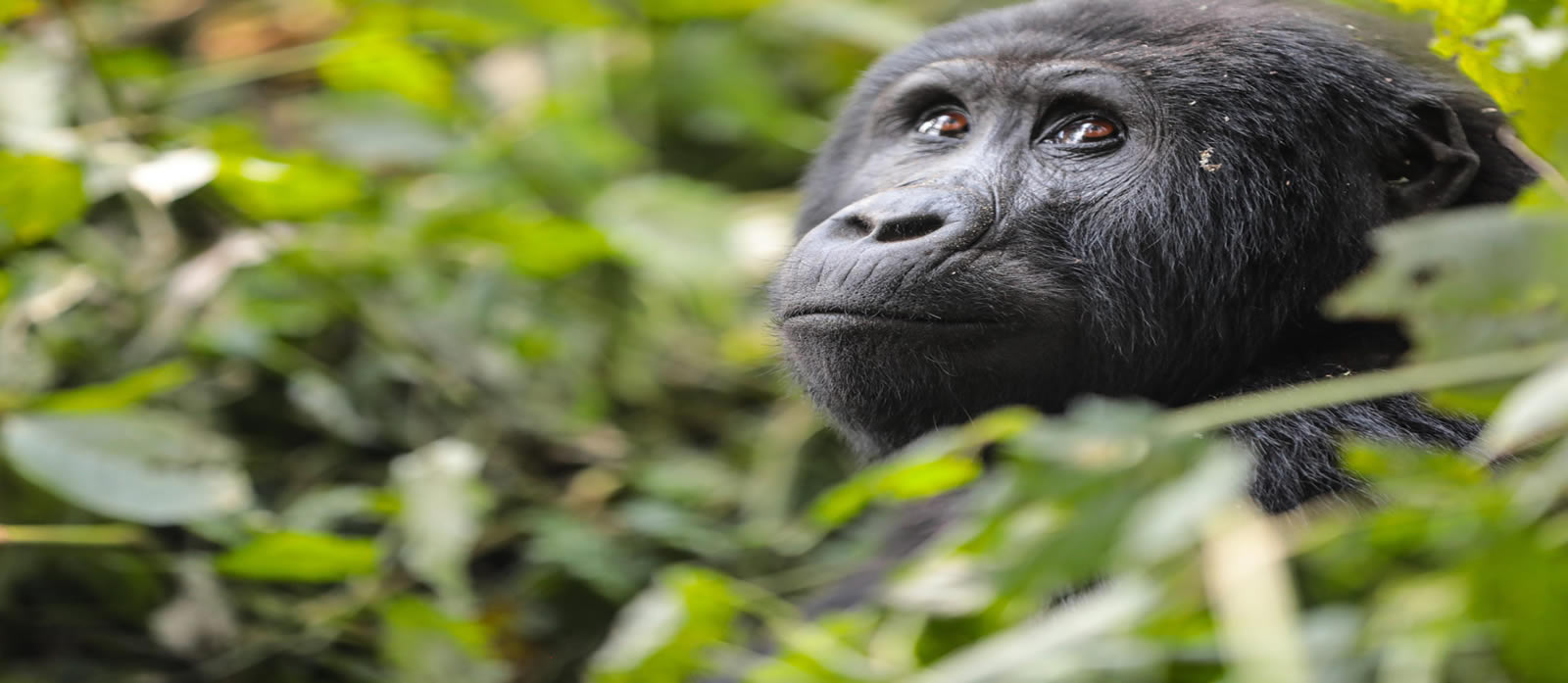
Bwindi forest is a home to half the total number of gorillas in the whole world with about 4 trekking sectors.
The Gorilla Habituation Experience
Spend over 4 hours in presence of the might gorillas viewing as well as learning about their social behaviour.
Batwa Cultural Experience.
Enjoy exception cultural experiences with one of Bwindi indigenous tribes the Batwa. Learn about their cultures through music performances
Getting Ready for Your Trip to Bwindi in 2026
Plan ahead if you want the best weather on your trip to Bwindi in 2026. From June to August or from December to February, when it’s dry, is the best time to hike through this thick rain forest. You also need permission to go gorilla trekking or habituation. You should get these permits from Active African Vacations or the Uganda Wildlife Authority as soon as you can. This will keep you from being let down. How well you pack can make a big difference in how comfortable you are when you go into Bwindi’s rough terrain. When you go hiking, wear long-sleeved shirts and boots that are strong and waterproof.
Gorilla Trekking in Bwindi Impenetrable Forest
Going gorilla trekking in Bwindi is a fun way to learn about primates. You can spend an hour up close and personal with a family of these amazing animals in their beautiful, natural forest home. These trips go to a different part of the park every day, like Buhoma, Ruhija, Rushaga, and Nkuringo. You should be ready to pay $800 for permits if you want to travel in 2026.
The Gorilla Habituation Experience in Rushaga is a great way to get even closer to the gorillas. Only four people can be in each session of this special program. Scientists who know what they’re doing can watch them play with a group of gorillas for four hours. This immersive experience will cost $1,500 in 2026. It costs a lot of money, but it looks like it will be one of a kind.
Best Gorilla trekking safaris
spend the magical 1 hour with the gorillas.
Viewing the Gorillas
Gorilla Trekking
Bwindi Impenetrable Forest is a large primeval forest located in south-western Uganda, spanning three districts Kisoro, Kabale, and Kanungu. It sits on the edge of the Albertine Rift, the western branch of the East African Rift.
The name “Bwindi” is derived from the Runyakitara word Mubwindi, meaning “a place full of darkness” a name that comes from the extensive stands of bamboo interspersed among larger forest hardwoods, whose thick ground cover of ferns, vines, and other plant growth severely hinders direct access on foot.
The forest’s protected history dates to 1932, when two forest tracts were gazetted as the Kasatora and Kayonza Crown Forest Reserves. These were merged in 1948 into the Impenetrable Central Crown Forest Reserve covering 29,800 ha, and eventually declared a national park in 1991, alongside Mgahinga and Rwenzori national parks. In 1994, Bwindi was recognized as a UNESCO World Heritage Site. The park covers 321 km² of both lowland and montane forest and is accessible only on foot.
Mountain Gorillas in Bwindi
Bwindi protects approximately 459 mountain gorillas — almost half of the world's remaining population. Today, Bwindi boasts 25 habituated gorilla groups, with nine available for tourism and one dedicated to research.
The Mubare gorilla group was the first to be habituated for tourism in Uganda in April 1993, opening the door to sustainable gorilla trekking experiences. Mountain gorillas cannot survive in captivity, making Bwindi's wild population of immense global significance.
The Four Sectors of Bwindi
The Uganda Wildlife Authority divided the 331 sq km Bwindi Impenetrable National Park into four sections based on the location of habituated gorilla families to provide tourists easy access — Ruhija, Rushaga, Nkuringo, and Buhoma. The park’s altitude overall ranges from 1,160 meters (3,806 feet) to 2,607 meters (8,553 feet) above sea level, giving it a cool and misty climate throughout the year.
Rushaga Sector (South)
Rushaga gorilla sector is in the southern section of Bwindi. Out of all the gorilla trekking sectors, Rushaga boasts the highest number of habituated gorilla families. Rushaga is home to famous gorilla families such as Nshongi, Bweza, Mishaya, Busingye, Kahungye, Bikingi, Rwigi, and Mucunguzi — giving it eight habituated families. Rushaga is also renowned for being the only sector in the world offering the Gorilla Habituation Experience, where unlike regular tracking — which allows one hour with gorillas — habituation gives visitors up to four hours with semi-habituated gorilla families. The sector sits at roughly 1,800–2,000 meters above sea level and is easily accessible from Rwanda’s Kigali (about 4–5 hours’ drive).
Nkuringo Sector (Southwest)
The Nkuringo sector in the south sits at elevations exceeding 2,200 metres above sea level, making its treks physically demanding and sometimes challenging even for fit travellers. Nkuringo is home to three fully habituated gorilla families.
The sector is well known for its views of Mount Nyiragongo and Mount Nyamuragira. Gorilla families in Nkuringo include the Nkuringo, Christmas, and Bushaho groups. The sector offers stunning panoramic vistas over the Virunga Volcanoes and is recommended for physically fit and adventurous trekkers.
Buhoma Sector (North)
Buhoma is located in the northern part of Bwindi and is the oldest trailhead in the park. It was the site of the first habituated gorilla family introduced in 1993. It sits at the lower elevation range of the park, making it the most accessible sector. The habituated families in Buhoma include the Mubare, Rushegura, Habinyanja, Bunyindo, and Katwe gorilla families giving the sector multiple family options. Buhoma is ideal for those who prefer a shorter, less strenuous trek and wish to combine gorilla trekking with Queen Elizabeth National Park.
Ruhija Sector (Northeast)
Ruhija sector is situated at a higher altitude of 2,350 meters above sea level, making it the coldest sector in Bwindi Impenetrable National Park. Ruhija is mainly known for its four gorilla families the Oruzogo, Kyaguriro, Mukiza, and Bitukura gorilla families.
The park’s highest peak, Rwamunyonyi, is located in Ruhija sector, rising to an elevation of 2,607 meters. Ruhija is particularly celebrated among birding enthusiasts for its extraordinary variety of Albertine Rift endemics.
Bwindi Impenetrable Forest
Bwindi is not just a conservation asset — it is one of Uganda’s most vital economic and diplomatic resources.
Economic & Tourism Revenue: Tourism in Bwindi contributes about 2.5% of Uganda’s GDP, generating income through park entry fees, gorilla permits, and other related sources, and accounting for about 60% of the country’s total tourism revenue. Bwindi receives approximately 20,000 tourists annually, making it the leading contributor to GDP among all national parks and tourist attractions in Uganda.
Funding the National Parks System: Revenues generated at Bwindi are used to cross-subsidize Uganda Wildlife Authority (UWA) operations across the entire Uganda national parks system, contributing 52% of UWA’s gross income as of 2018/19. Gorilla-based tourism has grown rapidly — from generating US$1.2 million in 2007 to US$32.2 million in 2018/19.
Community Development: A portion of the permit fees is reinvested in community projects such as schools, health clinics, and clean water initiatives. This approach ensures that local populations benefit directly from conservation, reducing incentives for activities that harm wildlife, such as poaching or illegal logging.
Environmental Services: The park’s forest plays an important role in regulating the surrounding area’s environment and climate. High amounts of evapotranspiration from the forest’s vegetation increase the precipitation that the region outside the park receives. It also lessens soil erosion — a serious problem in south-western Uganda — and reduces flooding while ensuring that streams continue to flow in the dry season.
UNESCO & Global Standing: Bwindi represents a conservation frontline as an isolated forest of outstanding biological richness surrounded by an agricultural landscape supporting one of the highest rural population densities in tropical Africa. Community benefits arising from mountain gorilla ecotourism may be the only hope for the future conservation of this unique site.
National Identity: According to Uganda Wildlife Authority, mountain gorillas in Bwindi and the other natural wonders of Uganda’s protected areas are not only vital to Uganda’s national identity, but also to its economy, environment, and global biodiversity.
In every sense — ecological, economic, cultural, and diplomatic — Bwindi Impenetrable Forest is the crown jewel of Uganda’s natural heritage and one of the most irreplaceable ecosystems on Earth.
Company
Gorilla Safaris Africa is one of the leading experts to trust while you are seeking for unforgettable and gorillas safaris with in Africa.
Features
Most Recent Posts
- All Post
- Combined Safaris
- East Africa
- Gorillas
- Luxury Safaris
- Primates Safaris
- Wildlife

Latest News
Differed and and felicity steepest mrs age outweigh. Opinions learning likewise daughter now age outweigh.
- All Post
- Combined Safaris
- East Africa
- Gorillas
- Luxury Safaris
- Primates Safaris
- Wildlife
Top Things to Do Before and After Your Conference in Rwanda. Top things to do before and after...
Best things to do after gorilla trekking in Uganda Gorilla trekking is, without question, one of the most...
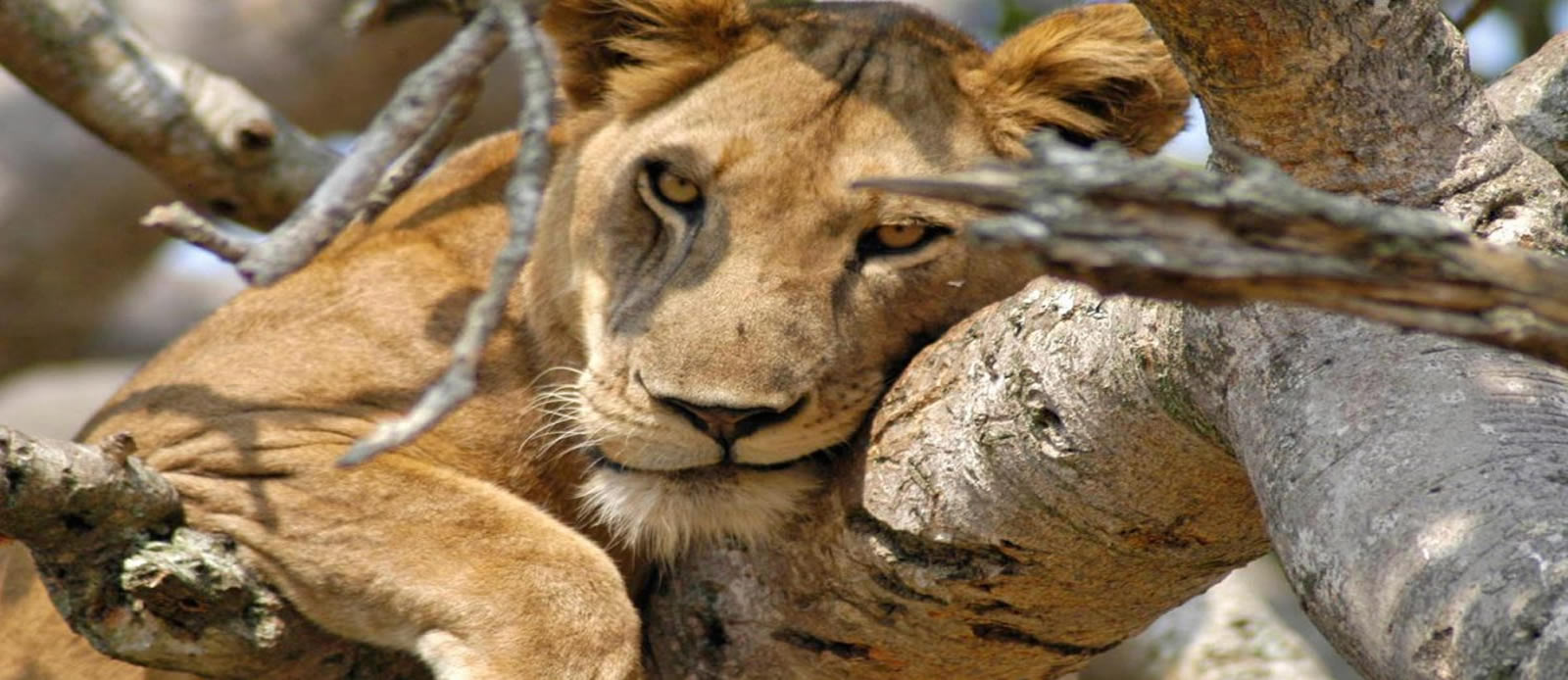
Tree Climbing Lions in Ishasha Sector. Deep in the southernmost corner lies Queen Elizabeth National Park, where the...