How to Book a Sustainable Safari in East Africa?
How to Book a Sustainable Safari in East Africa: East Africa is one of those rare places that gets under your skin and stays there. The vast plains of the Serengeti, the mountain gorillas of Uganda, the red dust roads of the Maasai Mara there is nowhere else quite like it on earth. And if you are thinking about making the trip, you are probably asking the right questions: How do I do this well? How do I travel without causing harm?
The answer is a sustainable safari and this guide will show you exactly how to book one.
Why sustainable travel matters?
Let’s be honest: tourism in Africa has a complicated history. It has funded conservation and built schools, but it has also displaced communities, exploited local labor, and left most of the money in foreign hands. Sustainable travel is the antidote to that pattern.
When you book a responsible safari, your money goes toward anti-poaching patrols, community schools, local employment, and the protection of the very landscapes you are coming to see. You are not just buying an experience you are helping keep it alive for the next generation.
There is also a simple truth worth saying out loud: without tourism revenue, many of East Africa’s wildlife areas cannot survive. The lions, elephants, and gorillas exist in part because people like you choose to come and see them and pay well for the privilege.
Top places to visit while on your sustainable Travel safari.
East Africa is enormous and full of possibilities. Here are the destinations that combine world-class wildlife with strong conservation and community credentials.
Masai Mara (Kenya)
Home to the Big Five and the legendary Great Migration, the Mara is the classic East African safari. For the most sustainable experience, skip the crowded main reserve and stay in one of the private conservancies surrounding it like Naboisho or Mara North where Maasai communities receive direct income from tourism and visitor numbers are tightly controlled.
Bwindi impenetrable national park (Uganda)
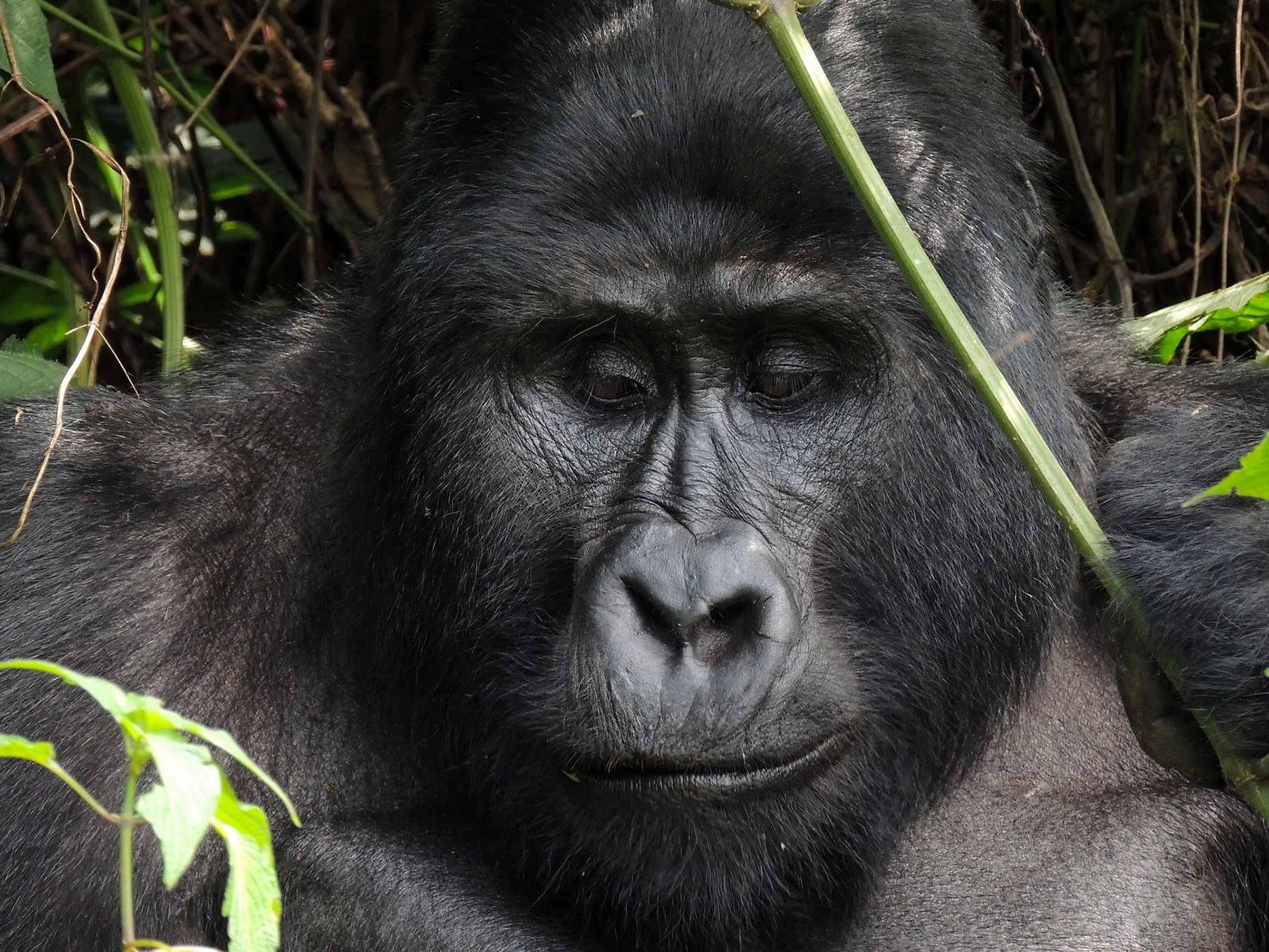
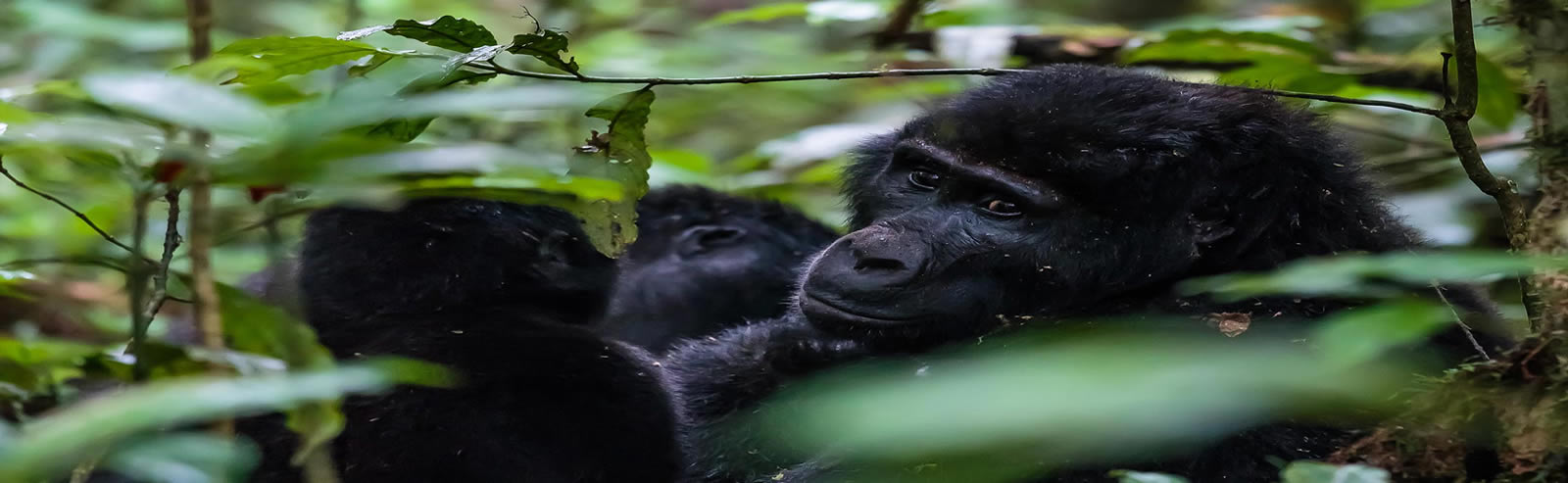
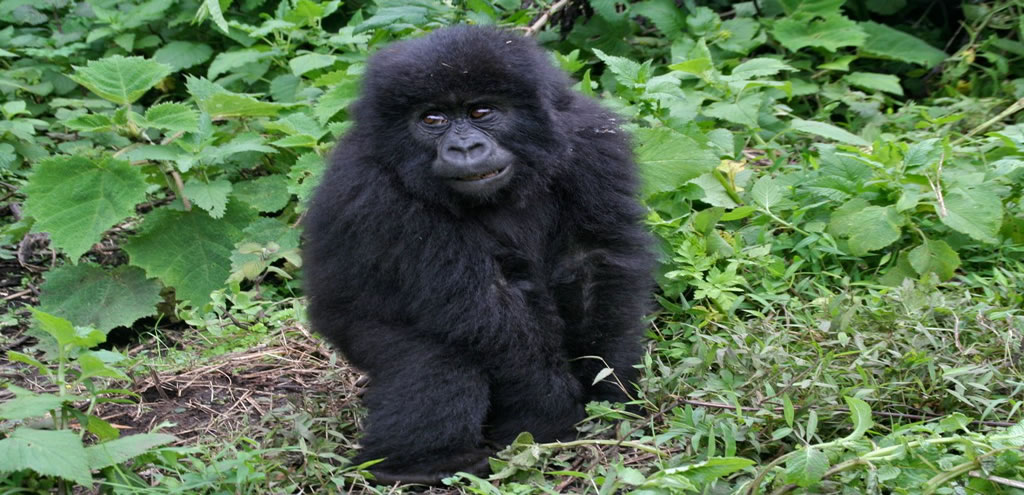
This is where you come to meet mountain gorillas face to face. Half the world’s remaining mountain gorillas live in Bwindi, and a portion of every permit fee goes directly to surrounding communities. It is one of the most moving wildlife experiences on the planet and one of the most ethically structured.
Volcanoes national park (Rwanda)
Rwanda has quietly become a gold standard for sustainable tourism in Africa. The government has invested heavily in conservation, gorilla permit revenue funds community projects, and the entire tourism model is built around the principle of high value, low volume. You pay more and every shilling of it counts. Today you can visit Volcanoes national park and meet up with the amazing gorillas in Rwanda.
Serengeti national park (Tanzania)
No list is complete without the Serengeti. The sheer scale of it the endless plains, the migrating herds, the big cats is like nothing else. Opt for smaller, owner-run camps in the quieter northern or western sectors rather than the busy central region for a more intimate and responsible experience.
Laikipia Plateau (Kenya)
Less famous than the Mara, but arguably more impressive from a conservation standpoint. Laikipia is a patchwork of community conservancies and private ranches where wildlife roams freely across fenced land. It supports black rhino, African wild dog, Grevy’s zebra, and elephant and some of Kenya’s most genuinely community-owned lodges.
Practical steps on how to book a sustainable safari.
Booking a sustainable safari is not complicated, but it does require a bit more thought than clicking through a travel aggregator. Here is how to approach it.
Ask the hard questions: Before you book, ask your operator: Who owns this camp? What percentage of staff are local? Where does my money go? A good operator will answer clearly. A vague answer is a red flag.
Look for third-party certification: Ecotourism Kenya and the Global Sustainable Tourism Council (GSTC) both certify operators who meet genuine environmental and social standards. It is not a guarantee, but it is a useful starting point.
Book your gorilla permits early. If Uganda or Rwanda is on your list, permits sell out months in advance sometimes up to a year ahead. Do not leave this until the last minute.
Choose fewer destinations, stay longer: A two-week trip visiting three parks slowly will always be richer and more sustainable than a whirlwind tour of seven parks in ten days.
Offset your flights: The journey to East Africa leaves a carbon footprint. Look for verified offset projects, ideally forest protection programmers in the very regions you are visiting.
Tips to keep in mind while on your sustainable safari.
Once you are there, a little mindfulness goes a long way.
Wear neutral colors khaki, olive, brown. Bright clothing disturbs wildlife.
Never feed animals or leave food where they can reach it.
During gorilla trekking, stay at least eight meters away and never go if you are feeling unwell. Human diseases can devastate great ape populations.
Tip your guides and camp staff generously. They are the backbone of the experience.
Buy crafts directly from local artisans and women’s cooperatives when the opportunity arises.
Final thoughts
East Africa does not need you to feel guilty about visiting. It needs you to visit thoughtfully. Choose operators who are transparent about where your money goes. Stay in camps that are genuinely connected to their communities. Move slowly, pay attention, and let the place do what it has always done stop you in your tracks and remind you that the world is still, in some places, wonderfully wild.
Company
Gorilla Safaris Africa is one of the leading experts to trust while you are seeking for unforgettable and gorillas safaris with in Africa.
Features
Most Recent Posts
- All Post
- Combined Safaris
- East Africa
- Gorillas
- Luxury Safaris
- Primates Safaris
- Wildlife