
Travel Guide to Gorillas & Wildlife Safaris in Rwanda and Uganda
Introduction: Why Rwanda and Uganda Are the World’s Top Gorilla Safari Destinations
If you’ve ever dreamed of standing in the misty heart of an ancient rainforest and locking eyes with a 400-pound silverback mountain gorilla, then Rwanda and Uganda are your destinations. Together, these two East African nations are home to more than half of the world’s remaining mountain gorilla population — a species so endangered that every encounter feels like a profound privilege. In 2026, gorilla trekking remains the single most sought-after wildlife experience in Africa. Whether you choose the raw, immersive jungle adventure of Bwindi Impenetrable National Park in Uganda, the more accessible trails of Volcanoes National Park in Rwanda, or boldly combine both in one itinerary, this guide gives you every piece of information you need — from permit costs and visa requirements, to health vaccinations, packing lists, accommodation, and wildlife safari add-ons.
Understanding Mountain Gorilla Trekking — What to Expect
What Is Gorilla Trekking?
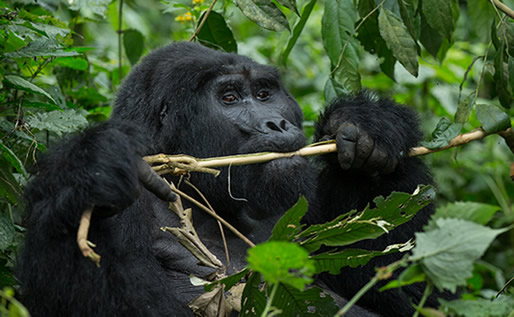
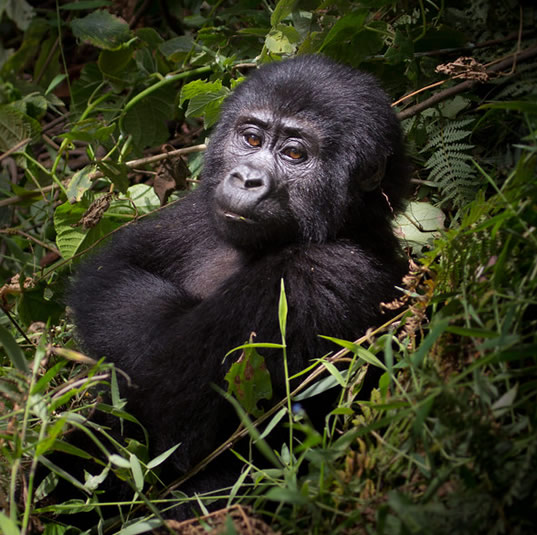
Gorilla trekking is a guided hike through dense tropical forest to locate a habituated mountain gorilla family in their natural habitat. Once found, you are permitted to spend exactly one hour with the gorillas — close enough to hear them breathe, watch them play, and witness the silverback assert his authority. This strict time limit protects the gorillas from human disease transmission and behavioral disruption.
A typical trekking day begins at park headquarters very early in the morning (usually around 7:00–8:00 AM) with a detailed briefing from park rangers covering the rules, dos and don’ts, and safety protocols. Trekkers are then divided into groups of no more than 8 people, with each group allocated to one habituated gorilla family. The trek itself can range from 30 minutes to 7 hours depending on how far the gorillas have moved.
The Gorilla Habituation Experience (Uganda Only)
For those wanting more than one hour, Uganda offers the Gorilla Habituation Experience at Bwindi’s Rushaga sector. This allows you to spend 4 hours with a semi-habituated gorilla family that is still being accustomed to human presence. This is truly the most immersive gorilla encounter available anywhere on Earth.
Important 2026 Rwanda Promotion: The Rwanda Development Board has confirmed a special promotional rate running until December 31, 2026, making gorilla trekking significantly more affordable for Rwandans, East African citizens, and African nationals. However, these promotional rates are blacked out from June to October 2026 (peak dry season), when all permits revert to standard pricing. Travelers must present valid identification (national ID, passport, or proof of African residency) to access promotional rates.
Rwanda’s Volcanoes National Park has 12 habituated gorilla families open to visitors, with a maximum of 8 permits per family per day, giving a total daily cap of 96 permits. Given the global demand, permits frequently sell out.
Gorilla Trekking Permit Costs in 2026 — Rwanda vs. Uganda
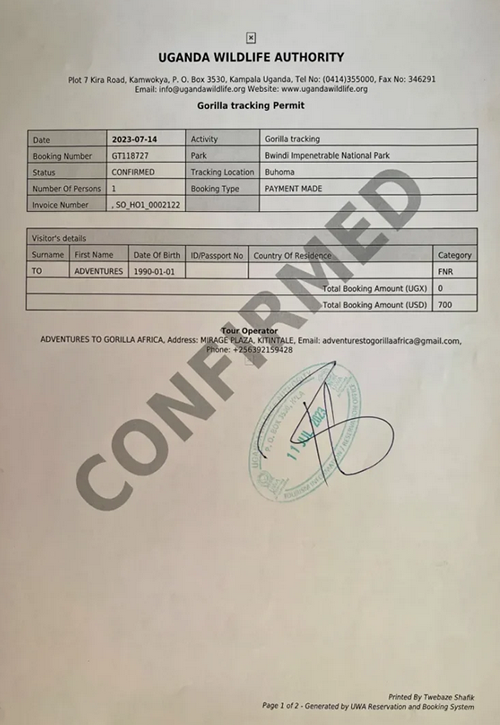
Gorilla permits are government-issued, limited in number, and the single largest cost of your safari. Every visitor above the age of 15 years must hold a valid permit to participate in gorilla trekking.
Rwanda Gorilla Permit Prices (2026)
Location: Volcanoes National Park Issued by: Rwanda Development Board (RDB)
| Visitor Category | Permit Price (USD) |
|---|---|
| Foreign Non-Residents (International tourists) | $1,500 |
| Foreign Residents of Rwanda / Other Africans | $500 |
| Rwandans & East African Citizens (Promotional 2026) | $200 |
Uganda is the more budget-friendly option for international tourists, with a standard permit priced $800 less than Rwanda’s. Bwindi alone hosts over 25 habituated gorilla families, making it the largest gorilla trekking destination in the world.
How and When to Book Gorilla Permits
- Book a minimum of 3–6 months in advance for standard travel periods
- Book 6–12 months in advance for peak seasons (June–September and December–February)
- Permits can be booked directly through UWA (Uganda) or RDB (Rwanda), or more conveniently through a licensed tour operator
- Permit fees go directly to government conservation funds and are non-refundable in most cancellation scenarios
- If canceling, check with your tour operator — rescheduling is sometimes possible with 30+ days’ notice
- Your passport details are recorded on the permit and will be verified on trek day
Visa Requirements for Rwanda and Uganda in 2026
The East African Tourist Visa (EATV) — The Smart Choice for Most Travelers
For travelers planning to visit both Uganda and Rwanda (and potentially Kenya), the East African Tourist Visa (EATV) is the most cost-effective and convenient option. This joint visa covers Uganda, Rwanda, and Kenya on a single multiple-entry permit.
EATV Key Details:
- Cost: USD $100 (flat fee, non-refundable)
- Validity: 90 days from date of issue
- Entries: Multiple entries between the three participating countries
- Purpose: Tourism only — employment is strictly prohibited
- Not valid for: Tanzania, Burundi, South Sudan (separate visas required)
The EATV can be applied for online via Rwanda’s Irembo portal or Uganda’s immigration portal, or obtained on arrival at Kigali International Airport and major border crossings. Your country of first entry must match the country through which you applied for the visa.
Individual Country Visa Options
Rwanda: Rwanda offers one of the most traveler-friendly visa policies in Africa. All nationalities can receive a visa on arrival at Kigali International Airport. East African Community citizens enjoy up to 6 months visa-free entry, and Rwanda has extended visa-free entry to all African Union member states since November 2023. Citizens of many Commonwealth and La Francophonie countries receive 30 days free on arrival. For international visitors, an individual Rwanda visa costs approximately $30–$50 on arrival.
Uganda: Uganda requires most international visitors (including Americans, British, and European nationals) to obtain an eVisa in advance online, or pay for a visa on arrival. The standard tourist visa costs USD $50 for a single entry. Some COMESA and Commonwealth countries are exempt from Uganda visa fees — check Uganda’s Immigration portal for the latest exemption list.
Document Requirements for Visa Applications
- Valid passport with at least 6 months’ validity beyond your arrival date and at least one blank page
- Proof of onward or return travel (flight reservations)
- Clear travel itinerary
- Yellow Fever Vaccination Certificate (mandatory for Uganda; required for Rwanda if arriving from a yellow-fever-endemic country)
- Proof of sufficient funds for your stay
- Passport-sized photographs
Health, Vaccinations & Medical Requirements
Preparing your health for a gorilla safari is not optional — it is essential. Mountain gorillas share approximately 98% of human DNA, making them highly susceptible to human diseases. Rangers will turn trekkers away if they show symptoms of any respiratory illness, cold, or flu on trek day — for the protection of the gorillas, not just the trekkers.
Mandatory Vaccinations
Yellow Fever:
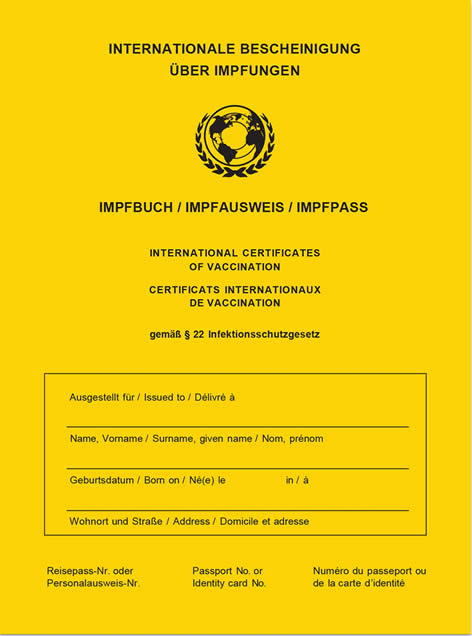
- Uganda: Yellow Fever vaccination is mandatory for ALL international travelers aged one year and above, regardless of country of origin. You will not be allowed entry without a valid International Certificate of Vaccination (yellow card).
- Rwanda: Yellow Fever is required for travelers arriving from, or transiting through, yellow-fever-endemic countries (including Uganda, Kenya, and most of sub-Saharan Africa and South America). If flying directly from Europe or North America, it may not be strictly enforced but is strongly recommended.
The Yellow Fever vaccine should be administered at least 10 days before travel and is valid for life.
Recommended Vaccinations (WHO & CDC Guidelines for 2026)
The following vaccines are not always mandatory at border crossings but are widely considered essential for safe travel to Rwanda and Uganda:
- Hepatitis A — transmitted through contaminated food and water
- Hepatitis B — recommended for any travelers who may receive medical procedures
- Typhoid — transmitted through contaminated food and water, particularly at local markets
- Tetanus (Tdap) — routine booster every 10 years
- Rabies — particularly recommended for gorilla trekkers and children, given the proximity to wild animals
- Meningitis — recommended for longer-stay travelers
- Measles-Mumps-Rubella (MMR) — ensure your routine vaccinations are current
- COVID-19 — check the latest WHO and CDC recommendations before travel
Malaria Prevention
Malaria is endemic throughout Uganda and Rwanda. Malaria in both countries is chloroquine-resistant, so consult your travel health clinic for the most appropriate antimalarial medication (options include Malarone/atovaquone-proguanil, Doxycycline, or Mefloquine). Begin taking antimalarials before departure, continue during your stay, and complete the full course after returning home.
Supplement medication with:
- EPA-registered insect repellent containing DEET or Picaridin
- Long-sleeved shirts and trousers, especially at dawn and dusk
- Mosquito nets in budget or rural accommodations
Gorilla-Specific Health Rules
- Minimum age for gorilla trekking: 15 years (strictly enforced across all three gorilla trekking countries)
- Trekkers showing any signs of respiratory illness (cough, cold, flu, fever) on trek day will not be permitted to participate — no exceptions and no refund for the permit
- Maintain a 7-meter distance from the gorillas at all times (though gorillas themselves may approach you)
- No flash photography — it causes stress to the gorillas
- Do not eat or drink near the gorillas
- No spitting in the forest
- Wear a face mask in the presence of gorillas if you feel unwell — masks may also be recommended as general protocol
Best Time to Visit for Gorilla Trekking in Rwanda and Uganda
Rwanda’s Volcanoes National Park also offers a 30% discount on gorilla permits during the low season (November–May) for travelers who combine their gorilla trek with at least two nights across Nyungwe Forest or Akagera National Park..
Peak Dry Season (Best Trekking Conditions)
June–September and December–February are considered the prime months for gorilla trekking in both Rwanda and Uganda. During these periods:
- Forest trails are drier and less slippery
- Trekking is more manageable, even for less fit travelers
- Wildlife sightings are generally better across all national parks
- Permits and accommodation sell out fastest — book 6–12 months ahead
Low/Wet Season (Hidden Gem for Budget Travelers)
March–May and October–November are Uganda and Rwanda’s rainy seasons. While trails become muddy and more challenging, these months offer distinct advantages:
- Significantly fewer tourists for a more private gorilla encounter
- Lush, green, photogenic landscapes
- Greater availability of permits
- Sometimes lower accommodation rates
- Combine well with bird watching:Uganda’s 1,000+ bird species are most active during rainy periods
Rwanda’s Top Wildlife Safari Destinations
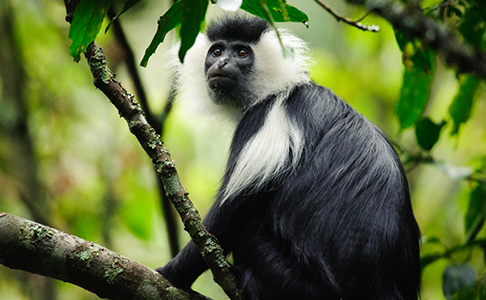
Volcanoes National Park — World-Class Gorilla Trekking;The crown jewel of Rwandan tourism, Volcanoes National Park sits within the Virunga Massif in northwestern Rwanda, sharing borders with Uganda and the DRC. Home to 12 habituated gorilla families and the legendary Karisoke Research Center founded by Dian Fossey, the park offers a well-organized, accessible trekking experience. The terrain is mountainous but trails are generally well-maintained. An add-on golden monkey tracking experience is available in the bamboo forest sections.
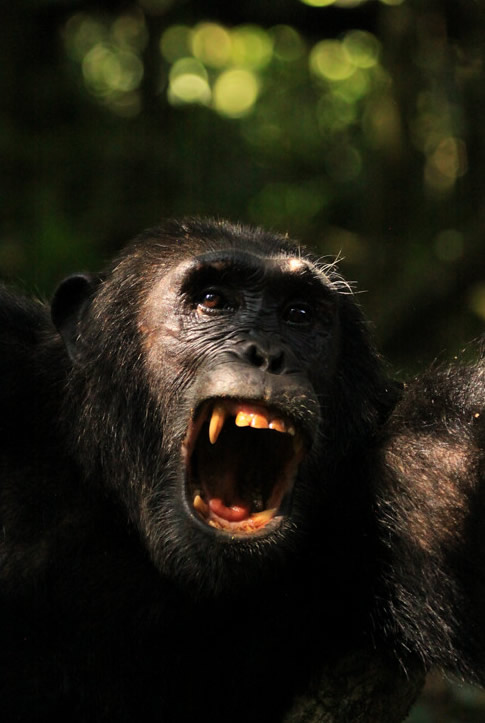
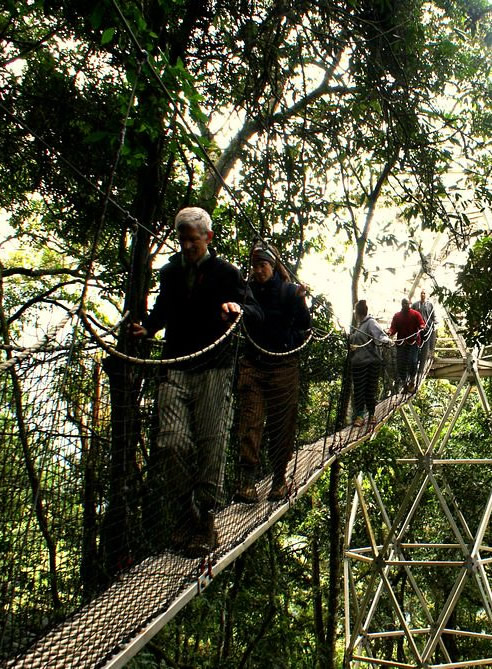
Nyungwe Forest National Park — Chimp Tracking & Canopy Walks;One of Africa’s oldest and largest montane rainforests, Nyungwe is home to 13 primate species including chimpanzees, colobus monkeys, and L’Hoest’s monkeys. The famous canopy walkway — suspended 50 meters above the forest floor — offers extraordinary birdwatching and a perspective unlike anything else in East Africa. Nyungwe is best visited en route between Kigali and Volcanoes NP for a multi-park itinerary.
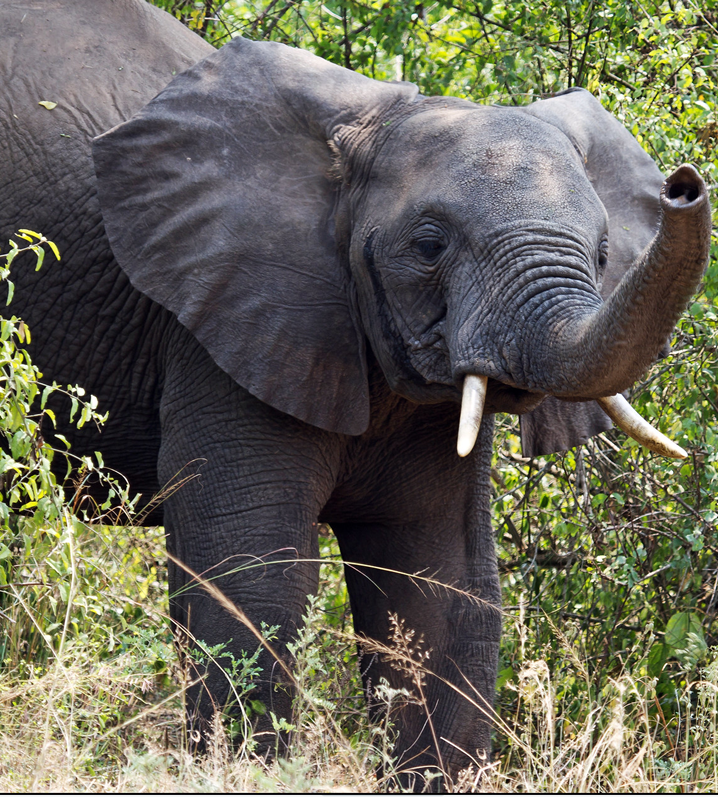
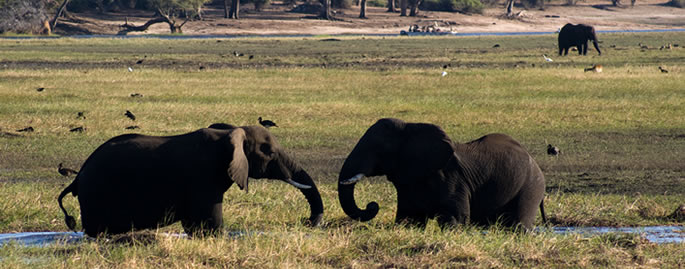
Akagera National Park — Rwanda’s Big Five Safari;Often overlooked, Akagera National Park in eastern Rwanda has been dramatically transformed through conservation partnerships and now supports all of the Big Five — lion, leopard, elephant, buffalo, and both black and white rhino. It is a classic savanna safari experience with hippo-lined lakes, game drives, and boat safaris on Lake Ihema.
Uganda's Top Wildlife Safari Destinations
Bwindi Impenetrable National Park — Gorilla Capital of the World
A UNESCO World Heritage Site, Bwindi is home to more than half the world’s mountain gorilla population. The park is divided into four sectors — Buhoma, Ruhija, Rushaga, and Nkuringo — each with different gorilla families and trekking characters. Rushaga is the only sector offering the Gorilla Habituation Experience. Beyond gorillas, Bwindi harbors extraordinary biodiversity including forest elephants, chimpanzees, and over 350 bird species.
Queen Elizabeth National Park — Tree-Climbing Lions & Boat Safaris
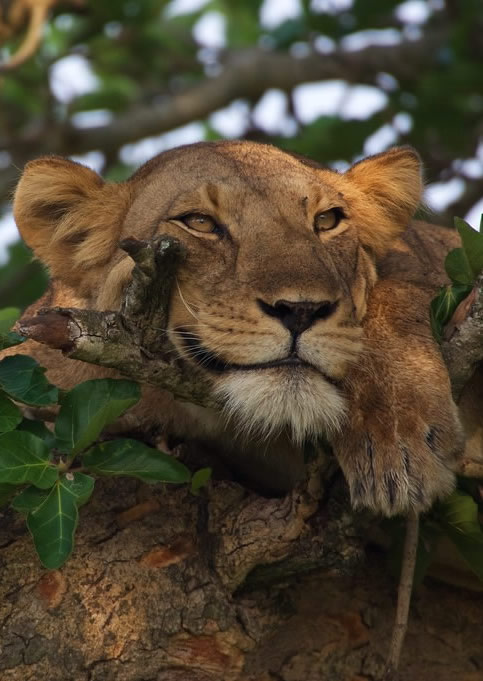
Uganda’s most popular general wildlife destination, Queen Elizabeth NP offers boat cruises along the Kazinga Channel, home to one of Africa’s highest concentrations of hippos and Nile crocodiles. The park is also famous for its tree-climbing lions in the Ishasha sector — a remarkable behavior unique to this region. Classic Big Five game drives, chimpanzee tracking in Kyambura Gorge, and salt lake flamingos round out an extraordinary safari experience.
Mgahinga Gorilla National Park — The Quieter Alternative
Smaller and less visited than Bwindi, Mgahinga sits on the slopes of three Virunga volcanoes and offers gorilla trekking (one habituated family — the Nyakagezi group), golden monkey tracking, and volcano hikes. Its remote setting and lower visitor numbers make it perfect for travelers seeking a more private gorilla experience.
Kibale Forest National Park — Best Chimpanzee Trekking in Africa
Kibale harbors the highest density of primates in Africa, including approximately 1,500 chimpanzees. Chimpanzee tracking permits cost USD $250 for standard tracking and $300 for the Habituation Experience (longer, 6-hour encounter). Kibale is conveniently located between Queen Elizabeth NP and Fort Portal, making it ideal for combination itineraries. The nearby crater lakes region adds scenic beauty perfect for nature walks.
Murchison Falls National Park — Uganda’s Largest Safari Park
Home to the world’s most powerful waterfall (the Nile squeezed through a 7-meter gorge), Murchison Falls NP is also a premier destination for game drives, Nile boat cruises, and tracking the rare Rothschild’s giraffe — one of the world’s most endangered giraffe subspecies. Big Five sightings (minus rhino) are excellent, and the park accommodates shoebill stork viewing along the Nile’s Victoria delta.
Getting There — International Flights & Transport
Entry Points
Rwanda: Kigali International Airport (KGL) is Rwanda’s sole international gateway and a modern, world-class airport. It serves direct flights from major hubs including Amsterdam (KLM), Brussels (Brussels Airlines), London (RwandAir/indirect), Doha (Qatar Airways), and Istanbul (Turkish Airlines). RwandAir operates flights from several African cities.
Uganda: Entebbe International Airport (EBB) serves Kampala and is Uganda’s primary international gateway, located 40 km south of the capital. Major airlines serving Entebbe include Ethiopian Airlines (Addis Ababa hub), Kenya Airways (Nairobi hub), Emirates (Dubai hub), KLM (Amsterdam), and Turkish Airlines.
Getting to the Gorilla Parks
From Kigali to Volcanoes National Park (Rwanda): Approximately 2–3 hours by road (approximately 110 km northwest). Most safari operators include this transfer.
From Kampala/Entebbe to Bwindi (Uganda):
- By road: 8–10 hours through scenic southwestern Uganda — long but scenic
- By domestic flight: Charter flights from Kajjansi or Entebbe to Kihihi or Kisoro airstrips (approximately 1 hour) significantly reduce travel time but add $600–$900 per person round-tripin cost
Combining Rwanda and Uganda on One Safari
Many experienced travelers and safari operators recommend combining both Rwanda and Uganda for a richer, more comparative gorilla safari experience. The East African Tourist Visa makes this logistically seamless. A popular route:
- Fly into Kigali → Trek gorillas in Volcanoes NP
- Drive overland across the Katuna/Gatuna border (approximately 3 hours from Volcanoes NP) to Bwindi, Uganda → Trek gorillas again
- Continue to Queen Elizabeth NP or Kibale Forest for wildlife safaris
- Fly out of Entebbe
This combined route typically requires 10–14 days and a budget of $6,000–$12,000+ per person depending on accommodation category and activities.
Full Packing List for a Gorilla Trekking Safari
Trekking Essentials
- Sturdy waterproof hiking boots with ankle support (broken-in before travel — never new boots)
- Long-sleeved shirts (2–3, quick-dry, neutral colors — avoid bright colors that may disturb wildlife)
- Long trousers/hiking pants (convertible to shorts are ideal)
- Rain jacket / waterproof poncho (essential even in dry season — mountain weather is unpredictable)
- Lightweight fleece or warm layer (highland forests can be cold at dawn)
- Gardening or thin work gloves — to protect hands from stinging nettles in the forest
- Gaiters — optional but highly recommended to keep mud out of boots
- Hiking poles / walking stick — help significantly on steep terrain
Health & Medical
- Yellow Fever Certificate (International Certificate of Vaccination — carry the original, not a photocopy)
- Antimalarial medication (full prescribed course)
- Insect repellent with DEET (30–50%)
- Hand sanitizer (essential before gorilla encounters)
- First-aid kit: blister pads, rehydration salts, ibuprofen, diarrhea medication, bandages
- Personal prescription medications (carry in hand luggage)
- Sunscreen SPF 50+ (equatorial sun is intense)
Photography & Electronics
- Camera with a wide-aperture lens (f/2.8 or lower) — forest canopies are dark and flash photography is strictly prohibited
- Extra camera batteries and memory cards
- Dry bag or waterproof camera case
- Power bank
- Universal travel adapter (Rwanda uses Type C/J; Uganda uses Type G — British-style)
- Do NOT bring a drone — drones are prohibited in national park airspace
Documents & Money
- Passport (original, valid 6+ months)
- Yellow Fever Certificate (original)
- Gorilla trek permit (printout or digital confirmation)
- Visa documentation / EATV approval
- Travel insurance documentation
- Small USD cash for tips, porters, and local purchases (USD is widely accepted; Rwanda uses RWF, Uganda uses UGX)
Rwanda-Specific Rules
- No single-use plastic bags — Rwanda has one of the world’s strictest plastic bag bans. Bags will be confiscated at the airport. Pack reusable bags and dry bags instead.
- Vapes and e-cigarettes — subject to customs checks; verify current regulations before travel
- Dress modestly — Kigali is a modern, cosmopolitan city, but rural areas appreciate conservative dress
Budget Planning — How Much Does a Gorilla Safari Cost in 2026?
Bare Minimum Budget (Budget Backpacker)
- Rwanda permit: $1,500 | Uganda permit: $800
- Budget lodging near park: $50–$150/night
- Road transport (shared transfers): $50–$100
- Realistic minimum total (excluding flights): $2,000–$2,500 per person
Mid-Range Safari (Most Popular)
- Permits + mid-range lodge accommodation ($200–$400/night)
- Private vehicle transfers
- 7–10 day itinerary combining gorilla trek + wildlife safari
- Realistic total (excluding flights): $3,500–$6,000 per person
Luxury Safari
- Volcanoes NP luxury lodge (One&Only Gorilla’s Nest, Singita, Bisate Lodge): $1,000–$3,000+/night
- Fly-in transfers
- Private guide and vehicle
- Realistic total (excluding flights): $8,000–$20,000+ per person
Additional Costs to Budget For
- Porter hire (highly recommended): $15–$20 per trek
- Ranger/guide tip: $15–$30 per person
- Tracker/porter tips: $10–$20
- Chimpanzee permit (Kibale): $250
- Golden monkey tracking (Rwanda): $100
- Travel insurance: $100–$300
Safety, Responsible Tourism & Conservation Ethics
Both Rwanda and Uganda are safe and politically stable destinations for tourists in 2026. Kigali regularly ranks as one of Africa’s cleanest and safest cities, and Uganda’s tourist circuits are well-policed and organized. Petty theft in urban areas is the primary concern — avoid displaying valuables, especially phones and cameras, in crowded areas.
Responsible gorilla tourism guidelines:
- Always maintain the 7-meter minimum distance from gorillas
- Never mimic gorilla sounds or behavior — this can be interpreted as aggression by the silverback
- Do not litter in the forest — carry out everything you bring in
- Do not touch the gorillas, even if they approach you
- Purchase locally made crafts and support community-based tourism initiatives
- Tip your porter generously, porter income directly supports local families and reduces poaching pressure
Conservation note: gorilla permit revenue directly fundsanti-poaching units, veterinary care for injured gorillas, community development projects, and ranger salaries in both countries. Your safari purchase is a direct act of conservation funding.
Quick Reference: Rwanda vs. Uganda Gorilla Trekking 2026
| Feature | Rwanda | Uganda |
|---|---|---|
| Permit Cost (Non-Resident) | $1,500 | $800 |
| Main Park | Volcanoes NP | Bwindi Impenetrable NP |
| Time with Gorillas | 1 hour | 1 hour (4 hrs Habituation) |
| Trekking Difficulty | Moderate | Moderate to Strenuous |
| Daily Permits Available | ~96 | ~160+ |
| Entry Point | Kigali (KGL) | Entebbe (EBB) |
| Drive from Capital | 2–3 hours | 8–10 hours (or fly 1 hr) |
| Other Wildlife | Chimps, golden monkeys, Big Five (Akagera) | Chimps, Big Five, shoebill |
| Visa | EATV $100 or visa on arrival | EATV $100 or eVisa $50 |
| Best For | Luxury seekers, shorter trips | Budget travelers, longer itineraries |
Plan Your 2026 Gorilla Safari Now
Rwanda and Uganda together offer the most extraordinary primate wildlife experience on Earth. Whether you choose Rwanda’s polished, luxury-focused gorilla trekking in Volcanoes National Park, Uganda’s raw jungle adventure in Bwindi, or combine both countries for the ultimate East Africa safari, 2026 is an exceptional year to go. The 2026 promotional permit rates for African and East African travelers in Rwanda, combined with Uganda’s relatively affordable $800 permit, make this more accessible than ever for regional travelers.
Book your gorilla permits at least 6 months in advance, sort your East African Tourist Visa online, carry your Yellow Fever certificate, pack your waterproof hiking boots, and prepare for one of the most transformative wildlife encounters on the planet.