Will the Iran War Affect Your Safari? What Travellers Should Know in 2026
Will the Iran War Affect Your Safari? What Travelers Should Know in 2026: It’s completely naturally for travelers to stop and think about their plans when all news headlines are baring crisis and war.
In February 28, 2026 military attacks arose between us and Israel that crossed far beyond the Persian Gulf. Flights have been cancelled, cruise ships have been stuck, and airports all around the Middle East are in pandemonium.
However, there were people who had planned safaris in Africa, many questions rose such as does any of this concern me? The short answer is no, but the whole scenario is more complicated than just saying yes or no. The difference between cancelling a vacation you’ll regret missing and going on one well prepared is knowing what’s really going on and differentiating real worry from false worry.
However, like many global events, the conflict can influence travel through airline routes, flight costs, and global economic conditions. Will the Iran War Affect Your Safari? What Travelers Should Know in 2026. However understanding certain tips can help travelers plan their safari confidently in 2026.
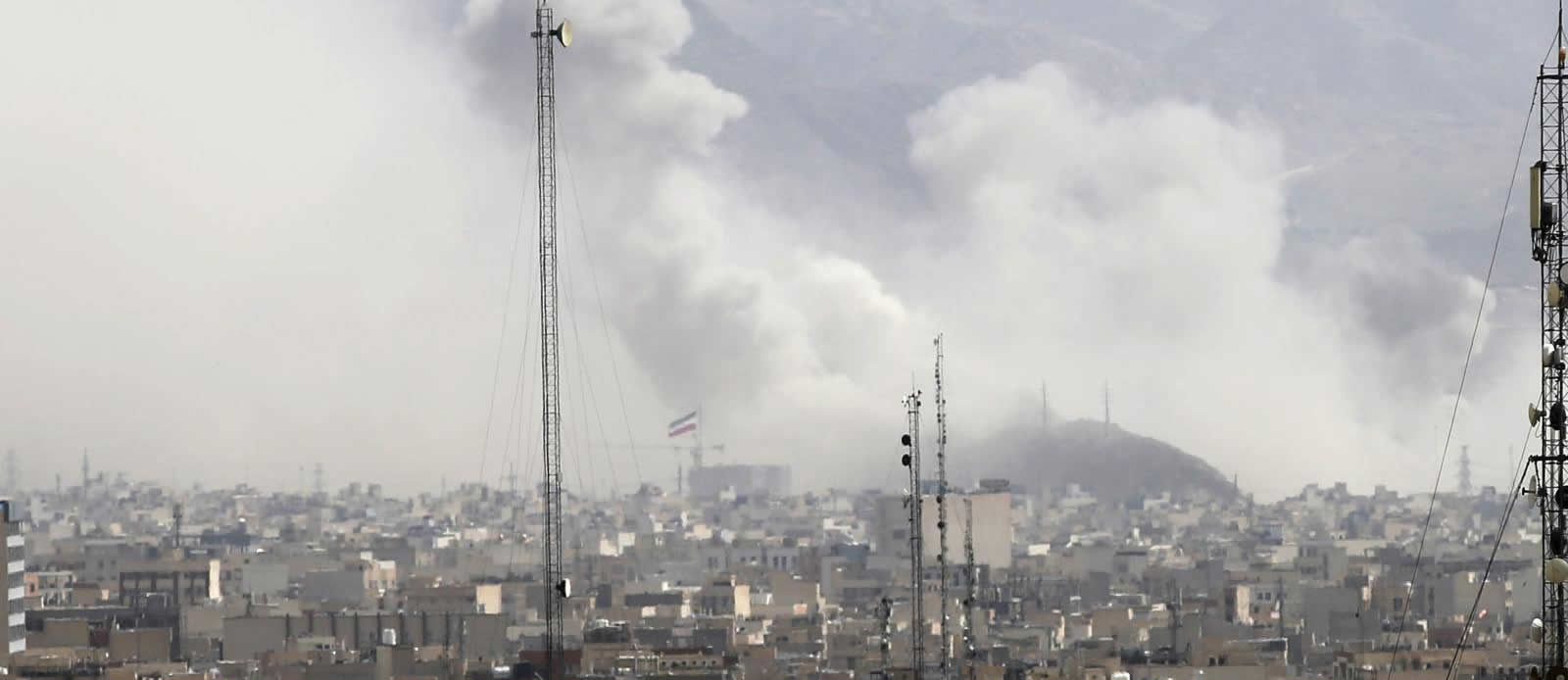
The 2026 Iran conflict began in late February, when combined American and Israeli air strikes targeted Iranian military and nuclear infrastructure. Iran responded swiftly, launching missile and drone attacks that struck regional targets including Dubai International Airport, one of the world’s single busiest aviation hubs.
The airport, which handles more than 526,000 passengers per day alongside the major hubs in Abu Dhabi, Doha, and Bahrain, sustained damage that temporarily halted all operations and has since reopened in a significantly reduced capacity.
The consequences for global aviation have been severe. More than 20,000 flights were grounded in the first week of the conflict alone. Airlines serving Middle Eastern routes have been forced to reroute dramatically, adding hours to flight times and burning considerably more fuel in the process. The World Travel & Tourism Council estimates the conflict is costing the global travel sector at least $600 million per day in lost visitor spending.
Analysts at Oxford Economics project that international tourism to the Middle East could fall by between 23 and 38 million visitors in 2026, representing a potential loss of up to $56 billion. Will the Iran War Affect Your Safari? What Travelers Should Know in 2026: Travelers should be aware that the war causes an increment in prices of various essentials.
These are significant numbers and they matter to travelers heading to Africa for a reason that has nothing to do with missiles or military strategy. They matter because of fuel prices, airline connectivity, and the global travel ecosystem.
How does Africa Fits into This Picture ?
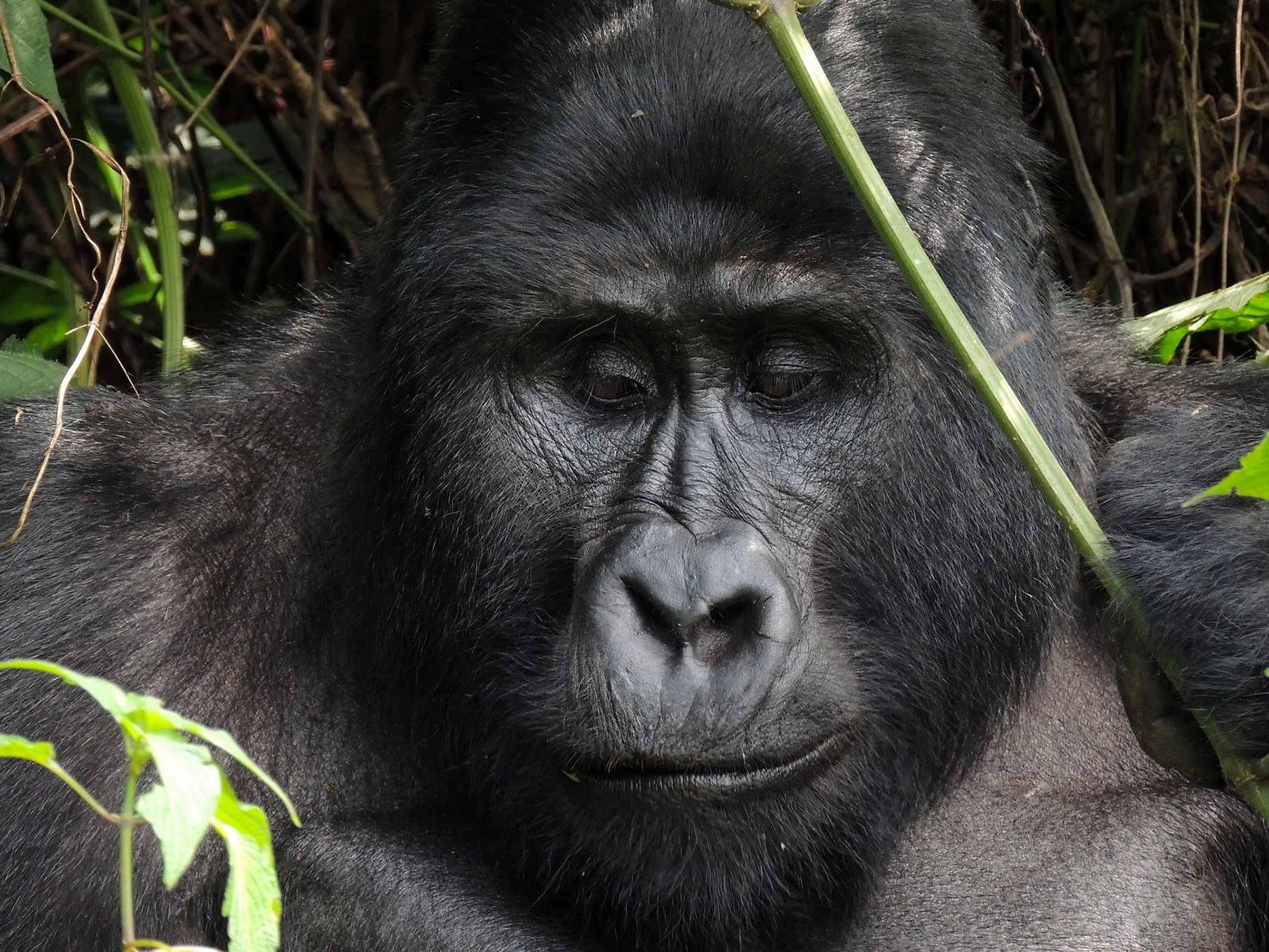
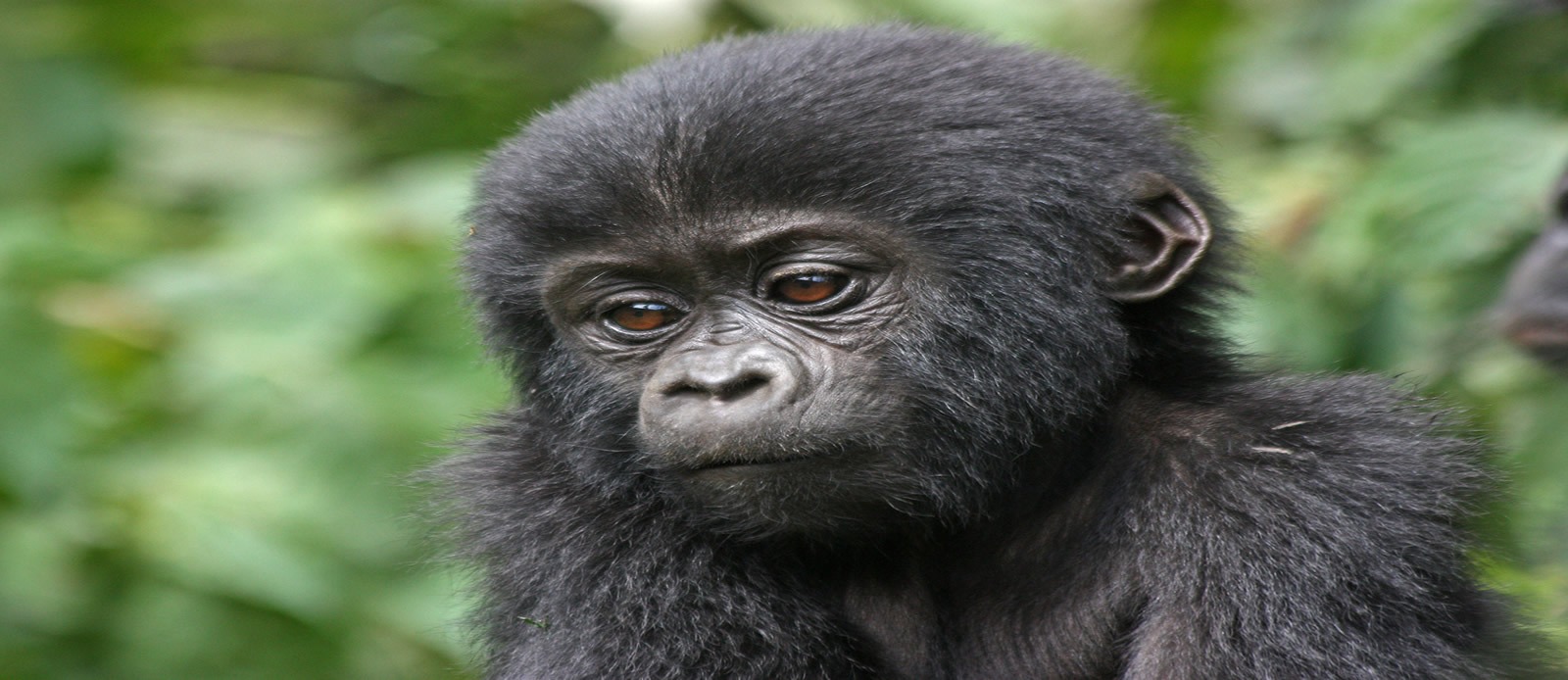
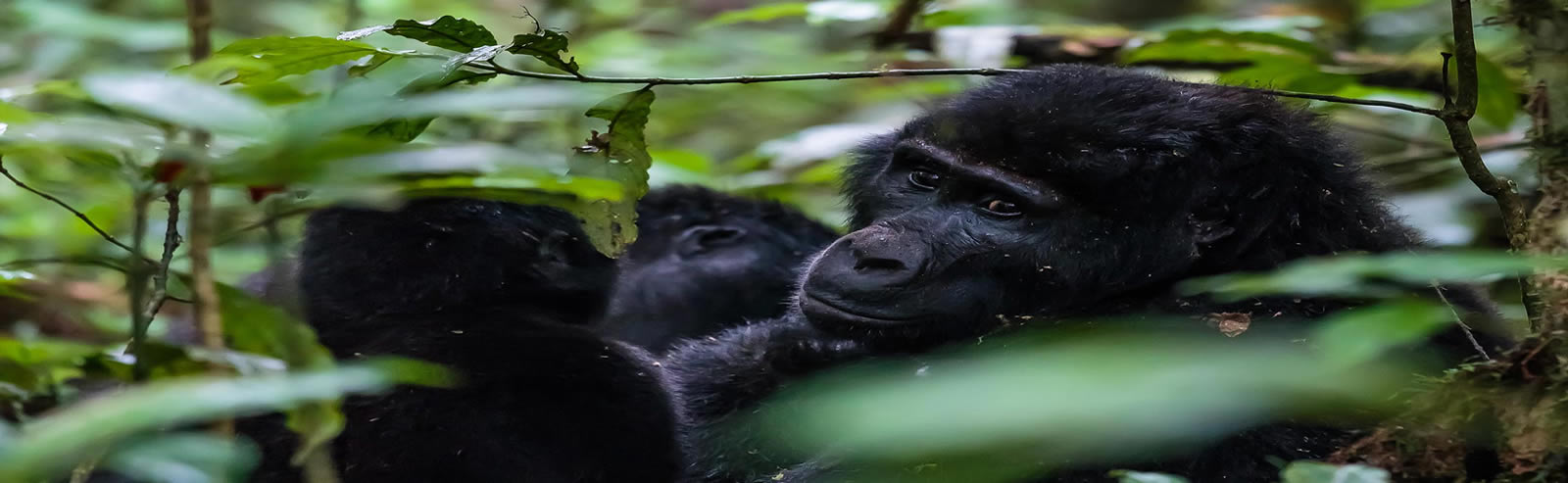
Will the Iran War Affect Your Safari? What Travelers Should Know in 2026:East Africa sits thousands of kilometres from the Persian Gulf. Uganda, Kenya, Rwanda, and Tanzania are not parties to this conflict. Their governments remain stable, their national parks are open, and their wildlife experiences continue without disruption. No drone has flown over the Maasai Mara. No missile has threatened the slopes of Kilimanjaro. The gorillas of Bwindi Impenetrable National Park in Uganda are, to put it plainly, entirely unbothered.
What East Africa cannot escape entirely is the interconnected nature of modern aviation. For decades, the Gulf carriers Emirates, Qatar Airways, Etihad have served as the spine of long-haul connectivity between Africa, Europe, Asia, and the Americas. Millions of travelers transiting through Dubai or Doha to reach Nairobi, Entebbe, or Kigali relied on that infrastructure. When Dubai Airport was hit, that backbone was shaken.
Travelers from Asia and parts of the Middle East are currently experiencing longer routings, higher airfares, and occasional cancellations on their way into East Africa. European and North American markets have been less severely affected, with many carriers operating alternative routes, but the aviation sector’s broader pricing structure has shifted.
Jet fuel costs have surged as oil prices climbed above $100 per barrel in certain markets following disruptions to Strait of Hormuz shipping routes. When fuel costs rise for airlines, ticket prices follow and that is a cost that lands in the lap of the traveler, regardless of whether they are flying toward a conflict zone or away from one.
What’s Really Changing Safari Bookings Today
Here are some of the arising changes in safari booking today . This serves as an answer to those with questions of will the Iran War Affect Your Safari? What Travelers Should Know in 2026.
Because African safaris are typically planned and paid for twelve to eighteen months in advance, the current pipeline of confirmed travelers remains largely intact through 2026.
The mindset of the luxury safari traveler right now is not whether to go it is how to get there. Demand for East Africa’s wildlife experiences has remained resilient. In fact, industry voices note that Africa is becoming an even more compelling sell precisely because it represents something the news cycle cannot touch: remoteness, peace, and a world entirely removed from geopolitical noise.
What is changing is the cost and complexity of getting there. Travelers who previously routed through Gulf hubs may need to reconsider their connections, opting for European carriers via Amsterdam, London, or Paris, or taking advantage of direct routes from North American cities. Nairobi’s Jomo Kenyatta International Airport is also strengthening its position as a regional aviation hub as airlines and travelers seek alternatives outside the Middle East corridor. The friction has increased but the destination has not changed.
Operators on the ground confirm that game drives, gorilla trekking, chimpanzee tracking, and wildlife photography safaris are all running normally. Lodge occupancy is healthy. Park authorities report no disruption to visitor operations across the major national parks of East Africa.
How the Conflict Could Indirectly Affect Safari Travel?
Travelers need to budget with their eyes open. There are three areas where the Iran conflict may push costs upward for an African safari in 2026.
Changes in Airfares and routes:This is the most direct and tangible impact. Rising jet fuel prices has already prompted airlines worldwide to raise ticket prices. On routes that previously transited the Gulf, travelers may find that alternative routing through Europe add both cost and flight time to their journey. Direct flights from North American cities where they exist now carry a premium that reflects both their convenience and their scarcity.
In-country logistics. Fuel price increases do not stop at the airport. Safari vehicles, domestic charter flights between parks, and lodge supply chains all run on fuel. A prolonged conflict that keeps global oil prices elevated will eventually filter into the operational costs of safari operators, which may affect the pricing of on-the-ground experiences, particularly for budget and mid-range packages.
Travel insurance:This is one of the top vital requirements than ever in a world where things are very uncertain. Before you go, you should carefully read over policies that include trip interruptions, missed connections, and emergency evacuations. The situation in Iran has severely reminded the tourist sector that things may go wrong even when you’re not on the front lines.
The Iran Conflict Is Mainly Affecting the Middle East
One pattern worth noting is that the conflict is accelerating a trend that was already underway in African safari tourism before a single missile was fired. Recent data from industry analysts suggests the traditional mid-range safari traveler was already under pressure from rising costs and post-pandemic pricing corrections. The jump in airfares has compounded this squeeze.
What is emerging in response is a more deliberate traveler one who may opt for a longer single trip rather than multiple shorter ones, or who concentrates spending on a higher-quality experience rather than spreading it thin across budget options.
Premium safari offerings private conservancies, bespoke itineraries, exclusive-use camps are holding their value well. If you were already planning a significant safari investment, the current climate is unlikely to change the equation dramatically. If you were hoping to piece together a budget experience, the airfare increases alone may require some recalibration.
Practical Guidance for Travelers Planning a Safari Right Now
There is no reason to cancel a planned safari to East Africa on account of the Iran conflict. The destination is safe, stable, and welcoming. What responsible planning looks like right now involves a few specific steps.
Review your airline connections:Consult your travel agent or operator about alternate connections if your itinerary passes through Dubai, Doha, or Abu Dhabi. European hubs are running smoothly and provide dependable access to Entebbe and Nairobi. Additionally, a number of carriers run direct services from the US that completely avoid the Gulf.
Book with flexibility where possible: The current environment rewards travelers who hold refundable or easily changeable tickets. It’s important to include operators who are willing to change their terms in case of more problems at the top of your list.
Obtain full travel insurance. Make sure your coverage covers journey interruptions, missing connections because of problems with airspace, and emergency repatriation. Read the fine print to find out what kinds of events are covered in the case of an international conflict.
Lock in your booking sooner rather than later. If you are targeting the peak Great Migration season in Kenya and Tanzania which runs from July through October availability at sought-after camps and lodges is already tightening. Rising costs make locking in current prices a financially sensible move.
Work with experienced local operators. The value of a knowledgeable, on-the-ground safari operator becomes especially clear during times of global uncertainty. Local expertise means faster adaptation to changing logistics, better contingency planning, and a level of regional knowledge that no global booking platform can replicate.
Final thoughts
There is something worth saying plainly: East Africa remains one of the most extraordinary travel destinations on earth. Watching the wildebeest migration thunder across the Serengeti, sitting in silence as a mountain gorilla moves through the forest canopy in Uganda, or witnessing a lion pride at dawn in the Maasai Mara these experiences do not diminish because of events happening thousands of kilometres away.
If anything, moments of global instability tend to sharpen the impulse toward meaningful travel. They remind people that the world is large, that most of it remains peaceful, and that the experiences we keep postponing are the ones we eventually regret most.
The Iran conflict has injected turbulence into the global travel system. It has raised fuel costs, disrupted connections, and rattled traveler confidence in ways that extend far beyond the Persian Gulf. For safaris in East Africa, the on-the-ground reality is one of normalcy. The friction, where it exists, is primarily in getting there not in what awaits when you arrive.
Plan carefully, budget honestly, choose your operators wisely, and go. Visit Uganda, Rwanda, Kenya and Tanzania.
Company
Gorilla Safaris Africa is one of the leading experts to trust while you are seeking for unforgettable and gorillas safaris with in Africa.
Features
Most Recent Posts
- All Post
- Combined Safaris
- East Africa
- Gorillas
- Luxury Safaris
- Primates Safaris
- Wildlife