
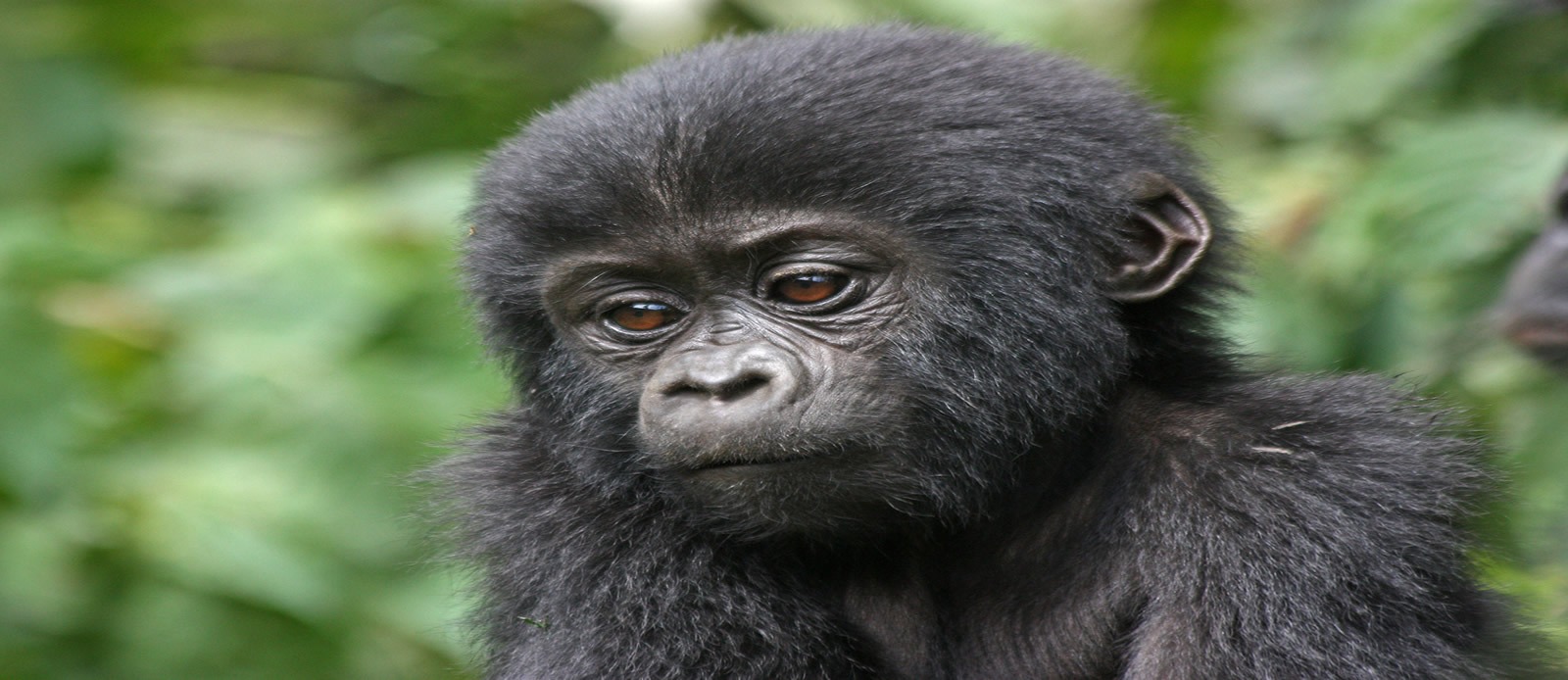
How to select the right safari package for you: There is a moment every safari traveler eventually describes the engine cuts, the dust settles, and fifty metres ahead a lioness lifts her head from the grass and holds your gaze without the slightest interest in looking away. Thislasts perhaps three seconds and stays with you for 30 years. The question worth asking before you book anything is: what does your version of that moment look like, and which package is most likely to deliver it?
How to select the right safari package for you That is the real work of choosing a safari. Not comparing spreadsheets of inclusions and exclusions, not chasing the lowest per-night rate, but arriving at an honest picture of what you actually want and finding the operator who can reliably provide it.This guide walks you through exactly that process of how to select the right safari package for you.
Gorilla Safaris Africa
Start with yourself, not the brochure
Every experienced safari guide will tell you the same thing: the guests who are most disappointed are usually not the ones who booked the cheapest option. They are the ones who booked the wrong option the wrong ecosystem, the wrong pace, the wrong style of travel for who they are.
Before you look at a single itinerary, sit with three questions. First, what do you actually want to see? The Serengeti’s great migration, mountain gorillas in Uganda’s Bwindi Impenetrable Forest, desert-adapted lions in Namibia, or the bird life of the Okavango Delta. These experiences are very extra ordinary though radically each experience has the perfect time for carrying it out.
Second, what kind of daily rhythm suits you? Some people want to be up at 5am for the golden-hour game drive and back for a long lunch before an afternoon walk. Others find that punishing and would happily sacrifice one drive for sleeping in. Thirdly, how many people do you want around you? The social character of a safari camp ranges from ten-person exclusive-use bush camps to lodges that serve 200 guests a night. Neither is wrong; they are simply for different people.
The guests who are most disappointed are usually not the ones who booked cheapest. They are the ones who booked the wrong experience entirely the wrong ecosystem, the wrong pace, the wrong style of travel for who they are.
Understand the package types before you compare prices
The safari market uses a loose vocabulary that sounds precise but rarely is. Here is what the main categories genuinely mean in practice.
Budget modes of Accommodations.
Camping & lodge shared
This type of accommodation is very suitable for independent travelers who are very flexible enough . It includes sharing vehicles, setting itineraries, basic tented camps or park lodges.
Midrange modes of Accommodation.
This is a type of accommodation that balances affordability and comfort. This type of style is a sweet spot for first-time safari travelers seeking comfort and immersion. It includes amenities like private bathrooms, WiFi and on site facilities.
Luxury modes of Accommodations
This mode mainly entails excellent standards of hospitality as well as with offering exceptional services like comfort, fine dinings, spas and concierge services.
Ultra-luxury mode of Accommodation(Exclusive -use camp)
Entire camp or villa booked for your group. Total flexibility on timing, menus, activities. For families and small groups who want complete privacy.
The distinction that matters most is not the thread count of the sheets or the label on the wine list. It is whether the camp sits inside a national park or on a private concession. Private concession land almost always means a dramatically better wildlife experience fewer vehicles at any sighting, the ability to drive off-road to follow an animal, night drives, guided bush walks, and fly-camping. These are not small upgrades. They are the difference between watching wildlife from a designated road and genuinely moving through the bush.
Timing is not a footnote it is the whole story
No factor shapes your safari experience more than when you go, and no factor is more routinely under weighted by first-time travelers who book around school holidays without thinking it through.
The Serengeti’s wildebeest migration runs to a rough annual rhythm calving in the southern Serengeti and Ngorongoro around January and February, the northward push through April and May, the famous Mara River crossings in Kenya’s Masai Mara between July and October, and the return south in November.
But the animals do not follow a calendar. They follow rainfall and grass, and in any given year the timing can shift by three to four weeks. An operator who tells you with confidence that the crossing will happen on a specific date in August is overselling their knowledge of the weather. An operator who explains the variables and offers you a flexible itinerary within a window is telling you the truth.
Away from the migration, the general principle holds: the dry season (roughly June to October across East and Southern Africa) concentrates animals around water sources and thins the bush, making sightings easier. But dry season is also peak season, which means higher prices, fuller camps, and more vehicles.
The shoulder months of May and November are increasingly popular with experienced safari travelers who accept some rain in exchange for better rates, emptier camps, and the extraordinary green-season light that photographers prize above all else.
Planning note
If you are visiting East Africa and the migration is a priority, book at least nine to twelve months in advance for the July–October Mara River window. The best camps in the northern Serengeti and Masai Mara sell out considerably earlier than that.
What the price actually includes and what it does not
One of the most common sources of safari disappointment is discovering, midway through a trip, that something you assumed was included is going to cost extra. The all-inclusive language used in safari marketing is generous in its interpretation. Here is what to verify line by line before you sign anything.
Conservation fees and park levies. These run from $50 to well over $100 per person per day in premium parks and are sometimes not included in the headline rate. In Botswana’s Okavango Delta, for example, the per-person-per-day government levy can add a significant sum to a week-long stay.
Internal flights. In Tanzania, Kenya, and Zambia, the distances between camps are often covered by light aircraft rather than road. These transfers are occasionally included, frequently not. A single charter flight between camps can cost several hundred dollars per person.
Specialist activities. Gorilla tracking permits in Uganda and Rwanda cost between $800 and $1,500 per person and are not typically folded into a camp rate. Hot-air balloon flights over the Serengeti are similarly extra. Confirm exactly which activities are included in your daily programme and those that are not.
Laundry : About laundry it depends since some and lodges charge it at daily fee while others tend to offer you at least 2 to 3 clothes then exceeding you pay a certain cost.
Gratuities. Please not that tipping and gratitues is not mandatory but carrying it out acts as symbol of appreciation of some ones work. Tipping culture varies, but in most East and Southern African safari camps, it is expected.Budget roughly $15–$25 per person per day for guides and camp staff, set aside from your main budget.
Company
Gorilla Safaris Africa is one of the leading experts to trust while you are seeking for unforgettable and gorillas safaris with in Africa.
Features
Most Recent Posts
- All Post
- Combined Safaris
- East Africa
- Gorillas
- Luxury Safaris
- Primates Safaris
- Wildlife
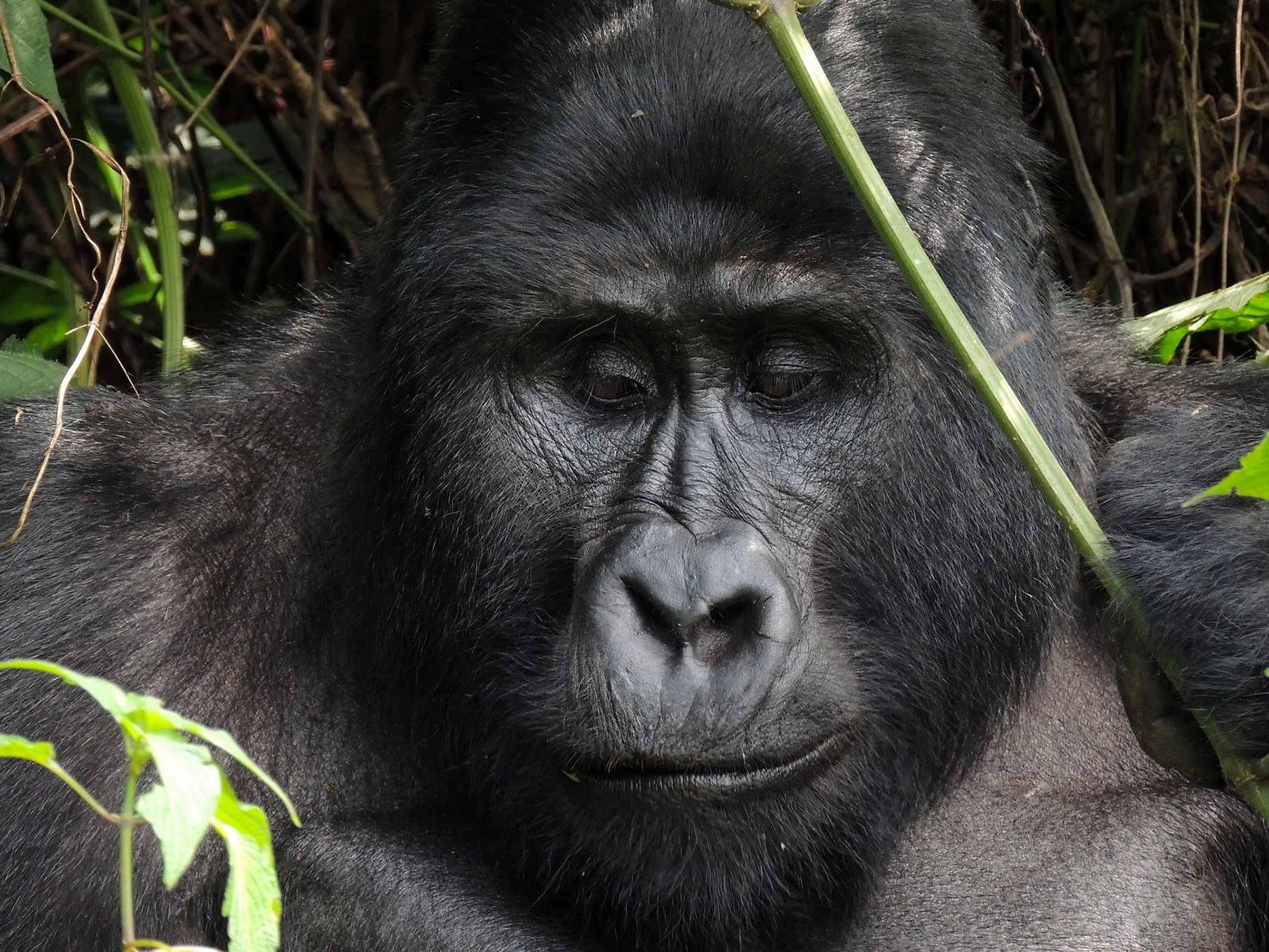
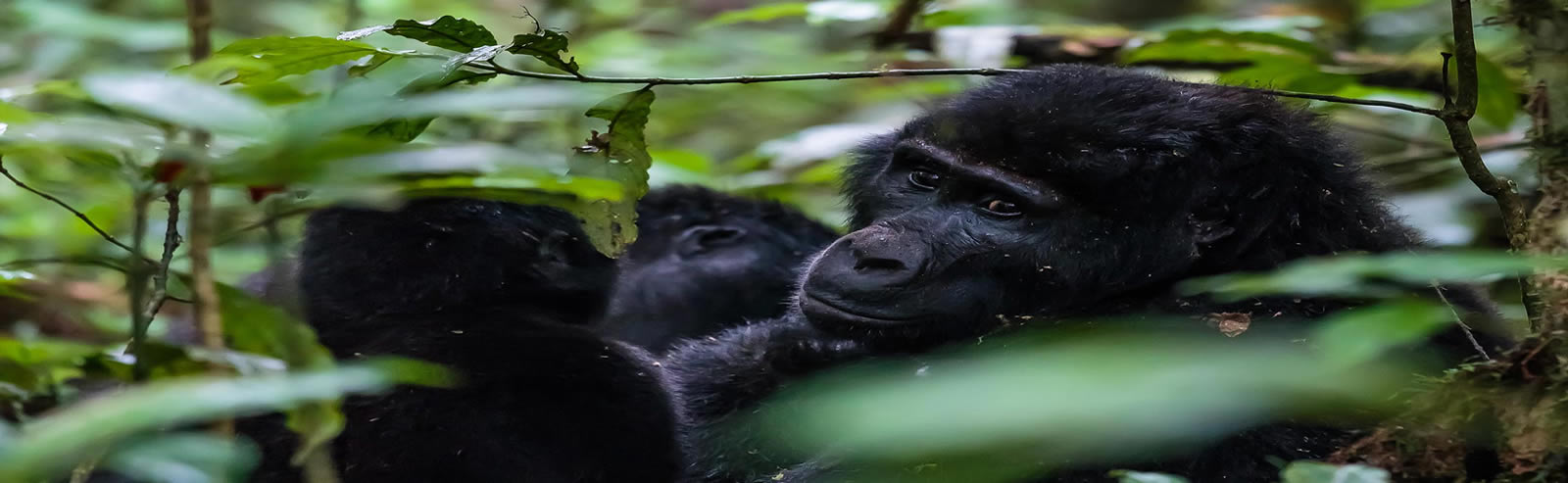
Explore Our Services
Whether you dream of tracking mountain gorillas through mist-covered jungle or exploring the sweeping savannahs of East Africa, we craft bespoke safari experiences tailored to your vision.
The safari industry is unevenly regulated and unevenly staffed. The difference between an outstanding operator and an average one is not always visible in the marketing materials.
The difference usually lives in the guide their depth of knowledge, their patience, their ability to read both the bush and their guests. A mediocre guide can make even the finest camp feel ordinary. An exceptional guide can make a basic camping safari feel transcendent.
Ask prospective operators how they recruit and train their guides, how long their average guide has been with them, and whether you can speak with or exchange questions with your assigned guide before departure. The willingness to facilitate that connection is itself a signal about the operator’s culture. Also ask who owns the camps you will stay at.
A vertically integrated operator who owns the camps, employs the guides, and has long-standing relationships with the communities around their concessions is typically able to guarantee the quality of every link in the chain. An operator who acts purely as a broker, booking you into third-party camps they do not own and have limited visibility over, is carrying more risk than they may acknowledge.
The responsible travel dimension
It would be dishonest to write a guide to choosing a safari package without addressing conservation and community impact, because these are not peripheral considerations they go to the heart of what safari travel is and what makes it worth doing.
The best camps and operators in Africa are not simply nice places to stay that happen to be near wildlife. They are active conservation actors. They employ anti-poaching rangers, fund community development programmes, support wildlife corridor land purchases, and conduct genuine long-term research. The economic model of high-value, low-volume tourism where a small number of guests paying premium rates generate more conservation funding than a mass-market lodge was pioneered in Africa and remains one of the most successful conservation financing models on the planet.
When you choose a package, look at the conservation commitments with the same scrutiny you bring to the inclusions list. Which community trust does the camp contribute to, and by how much? Does the camp have a meaningful percentage of local staff in senior roles?
Are their anti-poaching activities verifiable and ongoing? Organizations like Relais & Châteaux’s Ecotourism designation, Responsible Tourism Kenya’s certification, and the Long Run’s Green Destinations Standard offer independent benchmarks. They are imperfect, but they are better than marketing copy.
Final Thoughts
Safari travel is unpredictable, so a responsive and honest operator such as Gorillasaafrisafrica is more likely to handle changes effectively. The best package is not the most expensive, but one tailored to your interests and delivered by an operator transparent enough to ensure it truly fits your expectations.
Latest News
- All Post
- Combined Safaris
- East Africa
- Gorillas
- Luxury Safaris
- Primates Safaris
- Wildlife
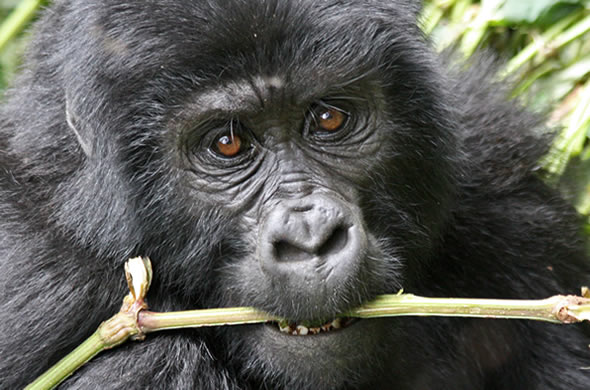
Bwindi Impenetrable Forest Bwindi Impenetrable forest :Deep in the mist-draped highlands of southwestern Uganda, where ancient forest canopies...
How to select the right safari package for you? How to select the right safari package for you:...
Rushaga sector in Bwindi Rushaga Sector is recognized for hosting the largest population of mountain gorillas globally, featuring...